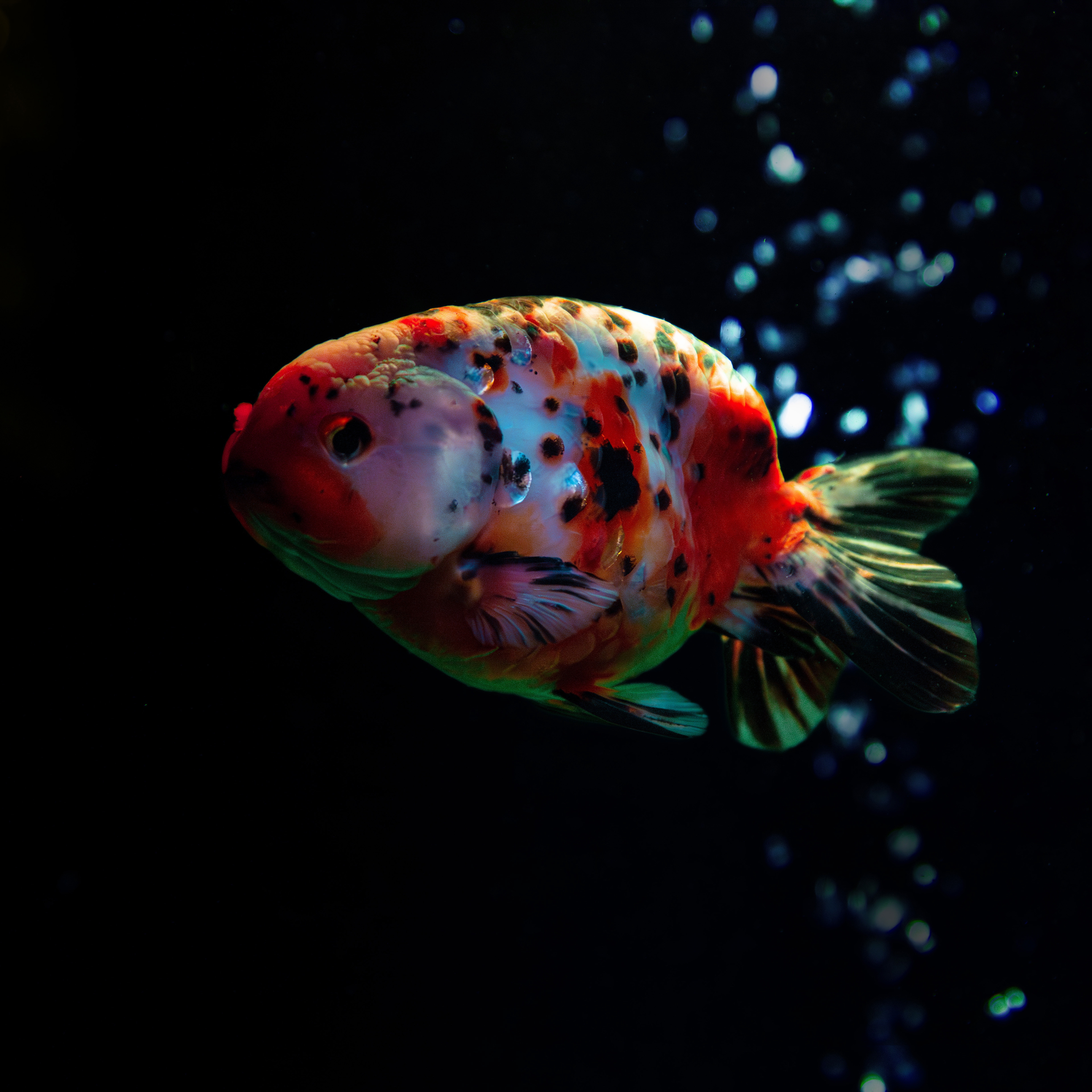
Swimming in the Peach Festival. The 'Red Signal' announcing spring
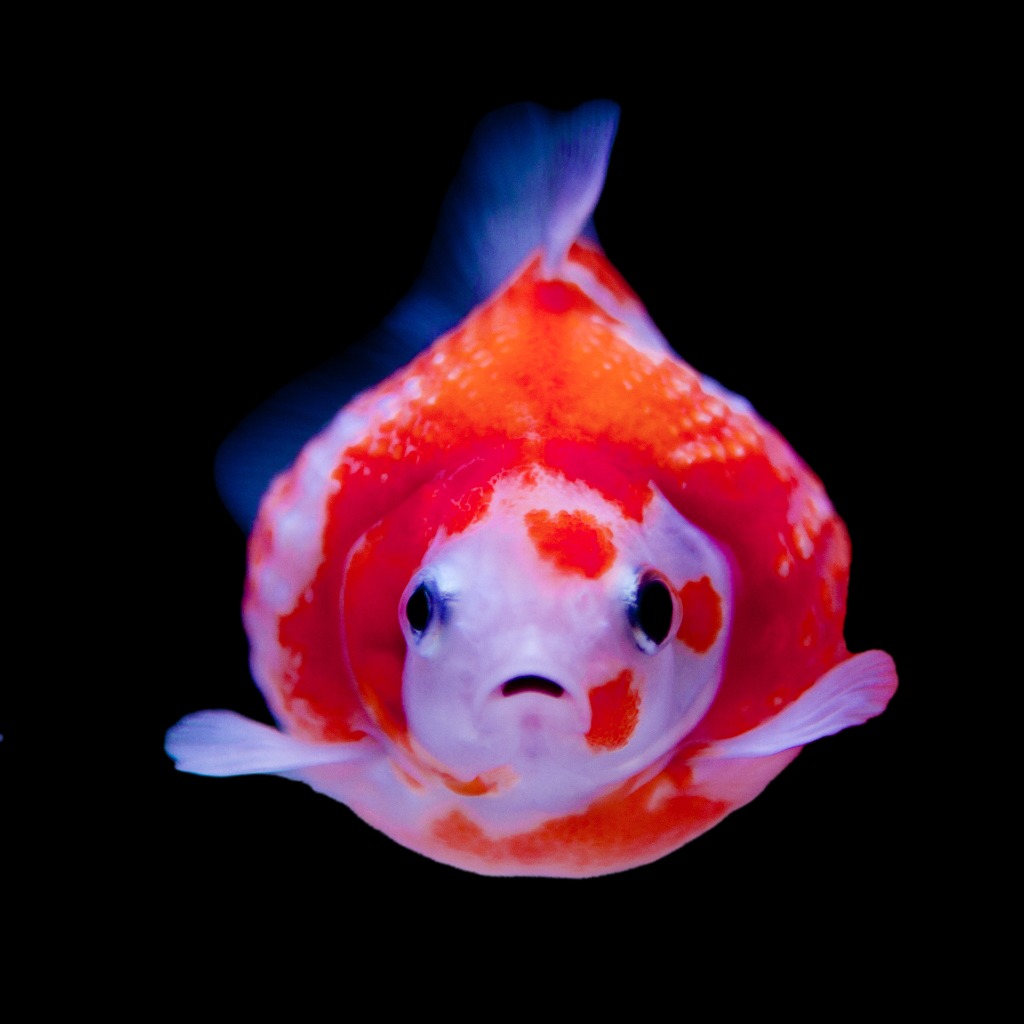
"Goldfish are a summer tradition." Many people think so, right ?
I'm Juane*. Hello.
Actually, in the Edo period, goldfish sellers were busiest around this time of year, signaling the arrival of spring.
"Kingyo-e-" is the sound that brings spring.
It is the end of February, when the cold still lingers.
When the distinctive phrase "Kingyo-e-, kingyo-" began to echo in the city, the people in the row houses started to prepare their hearts, saying, "Ah, the Dolls' Festival is coming soon."
Just as we know the change of seasons by feeling the scent of flowers in a casual moment.For the people of that time, the voice of the goldfish seller may have been a signal that told them "Spring is coming soon" in their daily lives.
A small amulet next to the Hina dolls.
In the Edo Dolls' Festival, it was a common sight to place a vessel called "Hinaoke" right next to the Hina dolls and let goldfish swim in it.
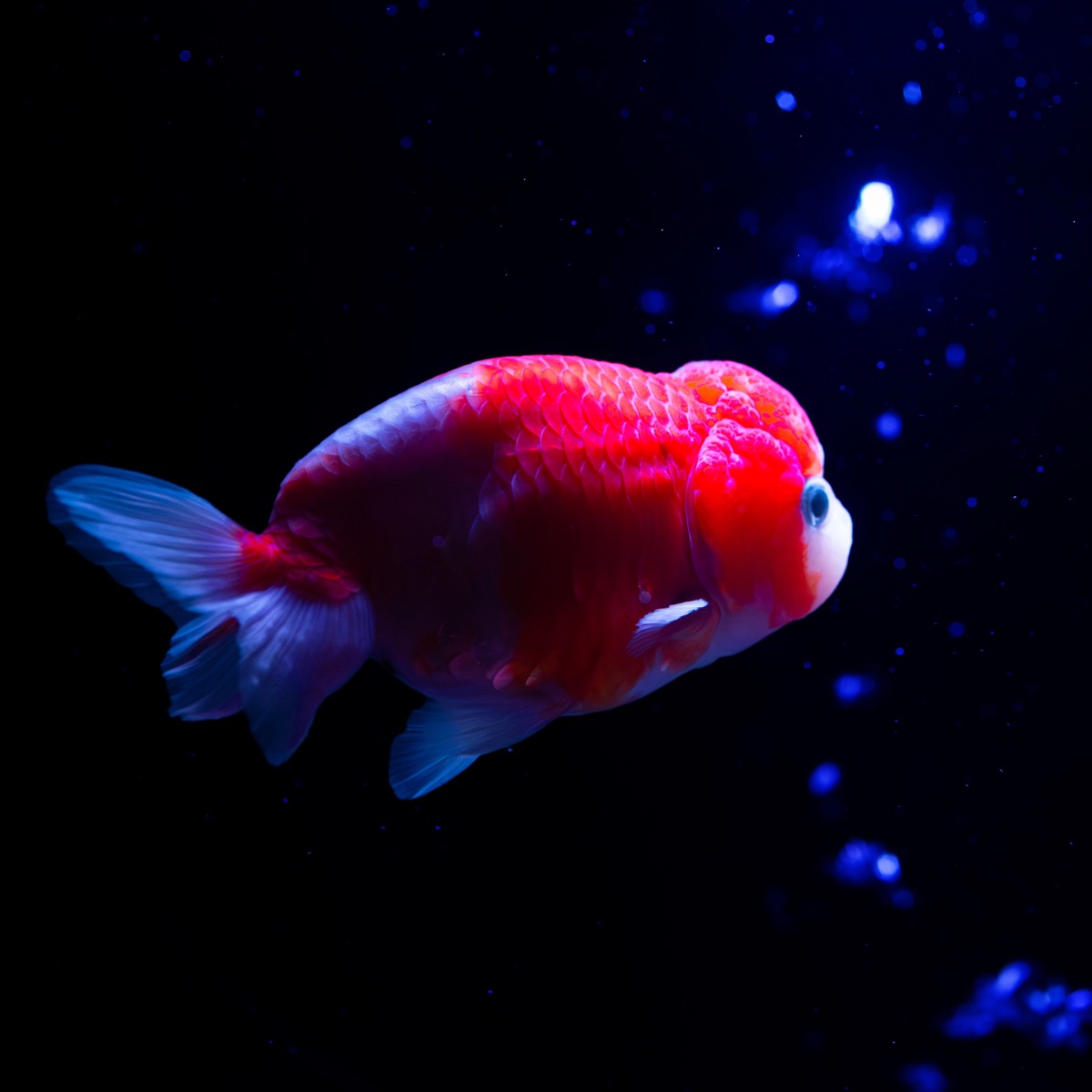
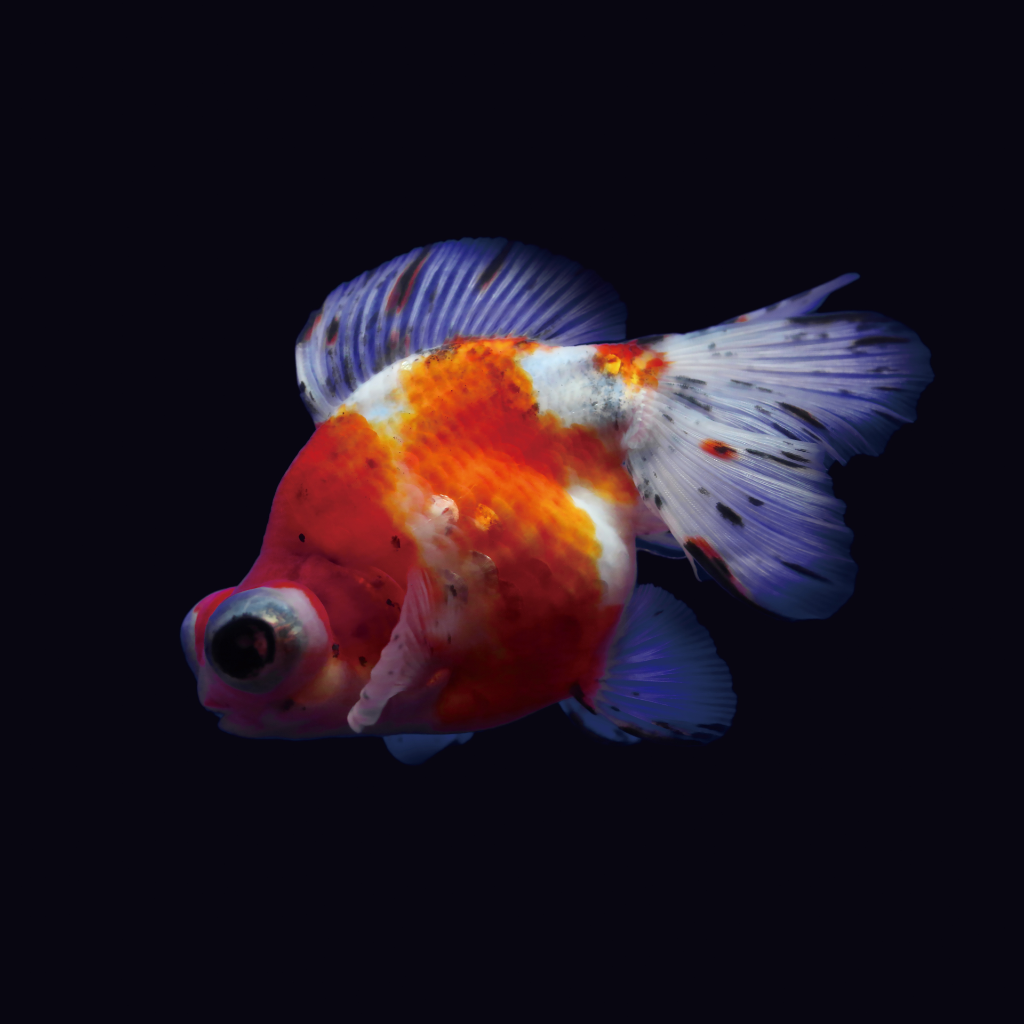
It wasn't just displayed because it was beautiful... Red goldfish have long been a symbol of "warding off evil". The earnest, but very warm family prayer, "May this child grow up healthy," was entrusted to that small red life.
It's lovely.
It's not just "appreciation" to just look at, but "prayer" for someone is overlapping.
If you think so, don't you feel that the way you see goldfish changes a little?
Connecting thoughts on March 3rd.
Even in modern times, March 3rd is considered "Goldfish Day", and it seems to come from this beautiful custom of the Edo period.
Red life swaying quietly next to the Hina dolls.The "heart of cherishing life" that Japanese people have cherished for hundreds of years is surely flowing quietly within us today.
We, Jun * Juane, would be happy if we could deliver such a piece of warm prayer through our works.
This spring, it might be stylish to think about the Edo goldfish that were swimming leisurely next to the Hina dolls.
##[Reference Materials]
"Morisada Manko": An encyclopedia of the late Edo period.It details how goldfish were sold in early spring and the customs of the Dolls' Festival.
Japan Ornamental Fish Promotion Business Cooperative Association: officially recognizes the custom of the Dolls' Festival in the Edo period as the basis for establishing March 3rd as "Goldfish Day".