Buddhist Release Ponds Saved Goldfish! Ornamental Fish Culture Nurtured by Temples
# Buddhist Release Ponds Saved Goldfish! Ornamental Fish Culture Nurtured by Temples
Last time, we talked about goldfish keeping in the court. Could you imagine the Emperor and nobles enjoying goldfish in garden ponds?
But actually, the red Funa were first protected not in the court, but in the release ponds of temples.
The religion called Buddhism is deeply involved in the birth of goldfish. Don't you think this is a very interesting story?
This time, let's look at the mysterious space called release pond and the story of goldfish that happened there.
Buddhist Idea of "Non-Killing"
Must Not Kill Living Things
Buddhism has basic precepts called Five Precepts (Gokai).
The first one is Non-Killing Precept (Fusesshokai).
It is the teaching that "one must not kill living things".
Meaning of Non-Killing:
- All life is precious
- Killing accumulates bad karma
- Should have a compassionate heart
This teaching was passed down as it was when Buddhism born in India was transmitted to China.
Active Compassion: Release of Life
But Chinese Buddhism did not end with just "not killing".
More actively, they began to perform the act called Hojo (Release of Life).
What is Hojo:
- Setting captured living things free
- Buying fish and birds sold in the market and returning them to nature
- Good deed to save life
- Act to accumulate merit
Not passive good of "not killing", but active good of "saving life".
This was a characteristic of Chinese Buddhism.
Birth of Release Ponds
Creating Dedicated Ponds
To ensure that released living things can live safely, temples created Release Ponds.
Purpose of Release Ponds:
- Refuge for released living things
- Safe place with no natural enemies
- Regularly fed
- Place for people to learn compassion
Digging a dedicated pond in the temple precincts or near the temple. Releasing fish and turtles bought in the market there.
Thus, release ponds spread to temples all over China.
Release Pond Boom in Song Dynasty
Especially in the Song Dynasty, release ponds developed greatly.
Features of Song Release Ponds:
1. Scale Expansion
- Large ponds made
- From hundreds of square meters to thousands
-
2. Institutionalization
- Sometimes supported by the Imperial Court
- Official release ceremonies held
- Large-scale release events on specific days
3. Social Spread
- Nobles and wealthy people participated in release
- Popular event to accumulate merit
- Commoners also performed small-scale release
Buddhist teachings, economic leeway of the Song Dynasty, and people's faith. These combined to blossom the release pond culture.
Structure and Management of Release Ponds
Ideal Fish Paradise
Release ponds were ideal environments for fish.
Features of Release Ponds:
1. No Natural Enemies
- Devised to prevent birds from coming
- Animals like otters not allowed in
- Humans also do not catch fish (religious taboo)
2. Regular Feeding
- Monks and believers give food
- Worshipers also scatter food
- No trouble with food
3. Water Quality Management
- Inflowing and outflowing water
- Circulating mechanism
- Water plants planted
4. Moderate Depth
- Not too shallow, not too deep
- Depth where fish can live comfortably
- Easy for humans to observe
Management by Temple Monks
Management of release ponds was the job of temple monks.
Role of Monks:
- Daily patrol
- Feeding
- Checking water quality
- Caring for sick or injured fish
- Memorial service for dead fish
Caring for fish was also part of their practice.
Encounter with Red Funa
One Day, Red Fish in the Pond
Now, here marks the story of the goldfish.
Various fish bought in the market are released into the release pond. Funa, carp, other freshwater fish...
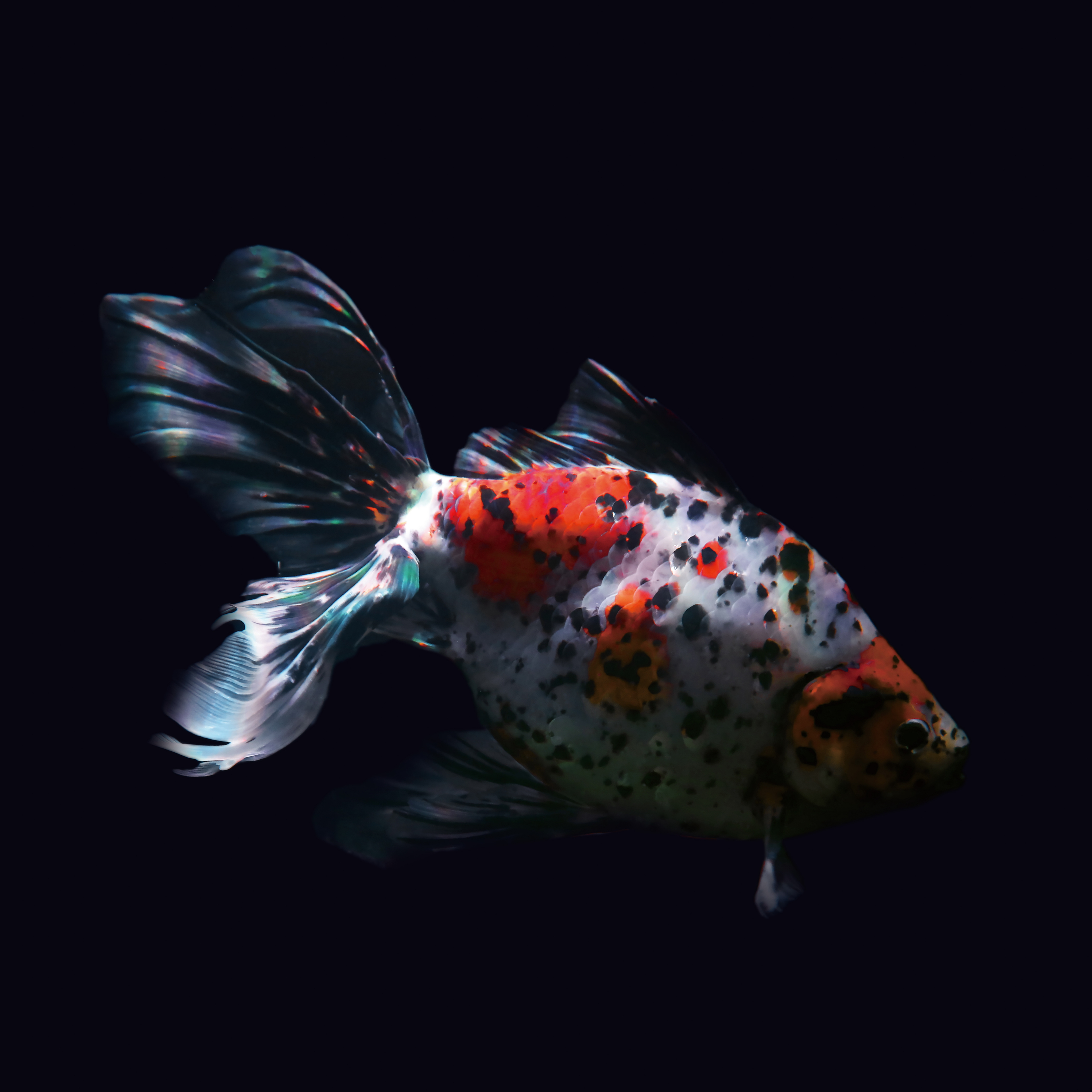
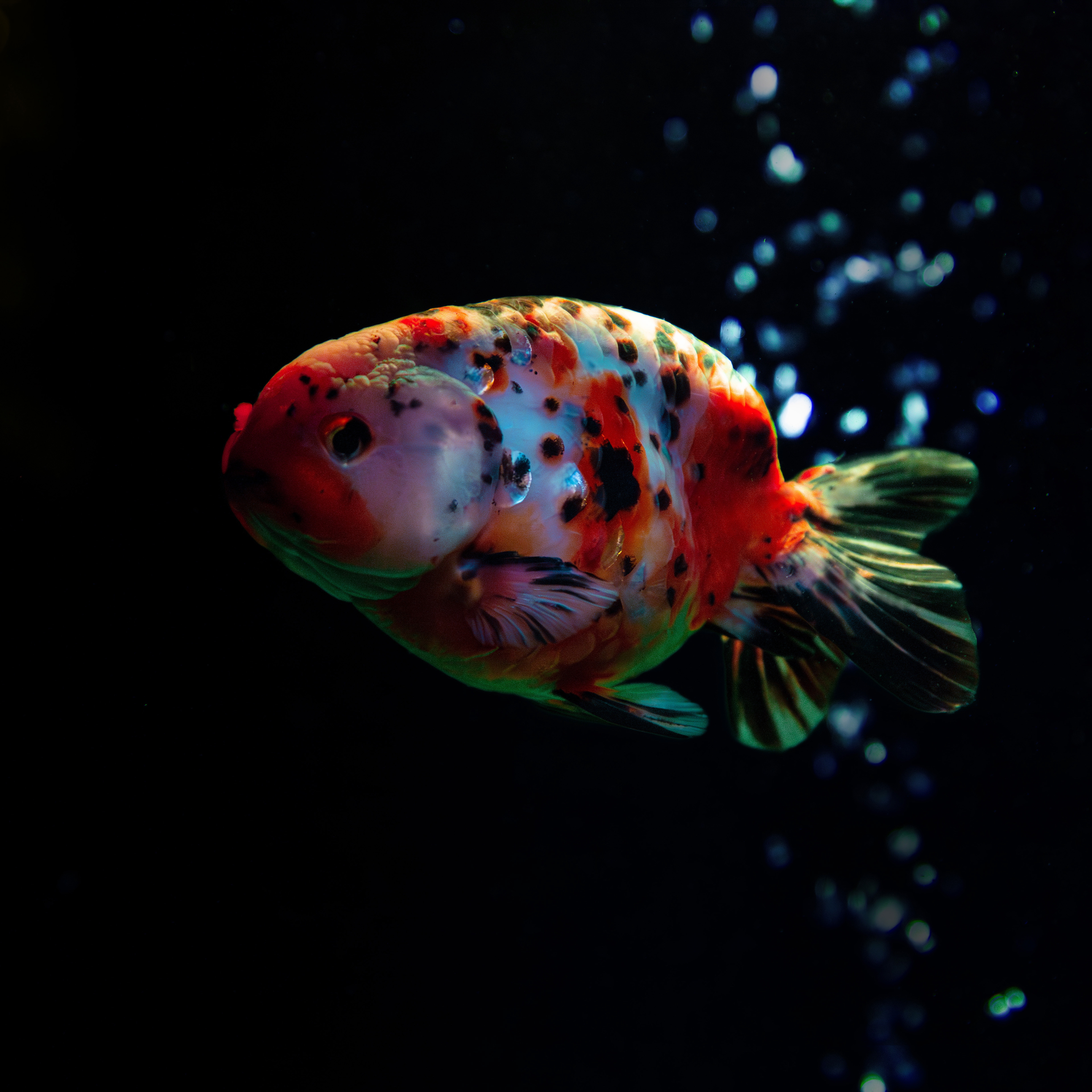
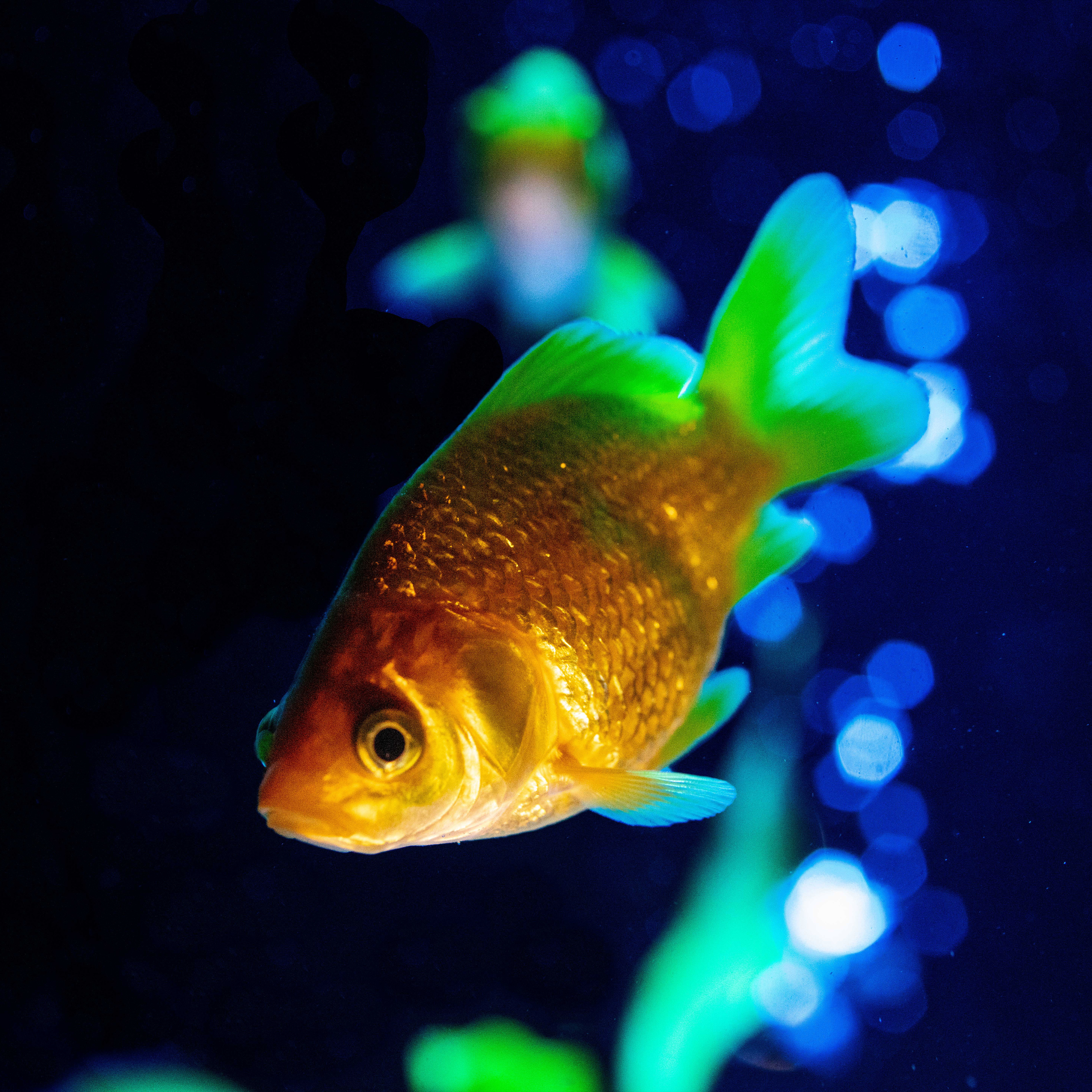
Among them, sometimes, red colored Funa were mixed in.
Appearance of Red Funa:
- Individual born by mutation
- Sold in the market
- Happened to be bought for release
- Released into the release pond
In nature, red Funa would be eaten by birds or carnivorous fish immediately. But there are no natural enemies in the release pond.
So, they were able to survive.
People's Realization
Many people visit release ponds.
Worshipers, believers, neighbors...
Moment of Discovery:
"Huh? Isn't that fish red?"
"It's true! Rare!"
"How beautiful."
People peering into the pond notice the red fish.
Among only gray Funa, just one red fish. There is no way it doesn't stand out.
Release Pond as a Place of Observation
Can See Every Day
The great thing about release ponds is that you can go see them anytime.
Ease of Access:
- Temples are places where people gather
- Can be seen while worshiping
- Some people visit every day
- Can observe over time
Court ponds are not accessible to the general public. But temple release ponds can be seen by anyone.
This "open space" was important.
Observing Changes
Watching every day, you notice various things.
Observed Facts:
- Red fish are swimming energetically
- Eat food just like normal Funa
- Grow
- Sometimes red fry are born
- Color is similar between parent and child
"Red color is inherited from parent to child."
This is an observation of genetics. People at that time didn't know "genes", but they understood empirically.
Awakening of Aesthetic Sense
From Religious Meaning to Aesthetic Value
Initially, red Funa were seen as "rare creatures".
Special fish protected by Buddha's mercy.
But as they watched, people's consciousness changed.
Change of Consciousness:
1. "Rare" (Focus on rarity)
2. "Beautiful" (Discovery of aesthetic value)
3. "Want to see more" (Budding of appreciation desire)
4. "Want to keep it myself" (Occurrence of desire to own)
They began to enjoy beauty itself, not just religious meaning.
Interest of Literati
Literati visiting temples also focused on red fish.
Literati's Perspective:
- Wonder of nature's creation
- Beauty of colors
- Elegance of swimming figure
- Poetic inspiration
And they wrote poems and painted pictures.
Thus, red Funa gradually became a "cultural existence".
From Release Pond to Personal Pond
Desire to Take Home
"I want to see such beautiful fish at my home too."
It is a natural flow that people who think so appear.
But here is a problem.
Religious Dilemma:
- Fish in release ponds are liberated lives
- Taking them home goes against the meaning of release?
- But not killing...
Change in Religious Interpretation
How did they resolve this dilemma?
New Interpretation:
- Raising carefully in one's own pond is also a compassionate heart
- If bred, it increases life further
- Loving beautiful things also leads to Buddha's teachings
Such interpretations were born, and it became permissible to share red Funa from release ponds.
Of course, not taking without permission, but making a donation to the temple and receiving them formally.
Relationship between Temples and Goldfish Keeping
Temple Itself Becomes a Place of Keeping
Eventually, the temple itself becomes a place for goldfish keeping.
Development of Temple Keeping:
1. Maintenance of Ornamental Ponds
- Making ornamental ponds separately from release ponds
- Designed to look more beautiful
- One of the pleasures for worshipers
2. Selection and Breeding
- Monks perform selection
- Choose more beautiful individuals
- Planned breeding
3. Sale and Transfer
- Sharing with believers and parishioners
- Instead of donation
- Goldfish became a source of income for temples
Religious facilities became the center of ornamental fish keeping.
Spread to Temples Nationwide
Goldfish keeping spread not only in Hangzhou and Lin'an but also to temples all over China.
Spread to Regions:
- Through exchange of monks
- Pilgrims take back to various places
- Spread through temple network
The network of the organization called Buddhism played a role in spreading goldfish culture.
Heritage of Release Ponds
Release Ponds Remaining Today
Even now, release ponds remain in old temples in China and Japan.
Examples in Japan:
- Temples in Kyoto
- Tsurugaoka Hachimangu in Kamakura (Genpei Pond)
- Old temples in various places
Carp and turtles are swimming in the ponds. Sometimes there are goldfish.
This is a remnant of the release culture from over a thousand years ago.
Symbiosis of Religion and Life
The mechanism of release ponds shows a wonderful symbiotic relationship between religion and living things.
Modern Meaning:
- Respect for life
- Protection of ecosystem
- Animal welfare
- Harmony between humans and nature
There are many things for us modern people to learn.
Summary: Goldfish Culture Nurtured by Buddhism
Without release ponds, goldfish might not have been born.
Role of Release Ponds:
1. Provision of Protected Environment
- Safe place with no natural enemies
- Red Funa could survive
2. Place of Observation
- People can see every day
- Notice changes and genetics
3. Fostering of Aesthetic Sense
- From religious value to aesthetic value
- Recognition as cultural existence
4. Development of Breeding Technology
- Management and breeding by monks
- Accumulation and transmission of knowledge
5. Spread to Society
- From temple to individual
- From region to region
The religion called Buddhism nurtured beautiful ornamental fish culture in an unexpected way.
Don't you think this is really interesting history?
Next time, we will explore how the name "Goldfish" was born and its origin.
References
(References omitted for brevity, please refer to the Japanese text or original sources)
Note: This article is an essay for general readers and not a specialized paper on religious studies or history. Regarding the origin of goldfish in release ponds, since direct historical materials are limited, some parts include conjectures from Buddhist culture and social situation of the time.
Related Articles
- How Were Goldfish Kept in the Song Dynasty Court? Ornamental Fish of Emperors and Nobles (Part 6)
- What is the Song Dynasty of China? Explaining the Historical Background (Part 5)
- Goldfish's Ancestor is the Crucian Carp! (Part 1)
- Origin of the Name "Goldfish": Meaning Imbued in Gold Color (Scheduled for next release)