Goldfish's Ancestor is the Crucian Carp! Why a Plain River Fish Turned into a Beautiful Ornamental Fish
# Goldfish's Ancestor is the Crucian Carp! Why a Plain River Fish Turned into a Beautiful Ornamental Fish
Every time I see goldfish swimming gracefully in a bowl, I think to myself. "What kind of fish were their ancestors?"
When I looked it up, a surprising fact was revealed.As it turns out, the common crucian carp(Funa) found in rivers and ponds was the ancestor of the goldfish .
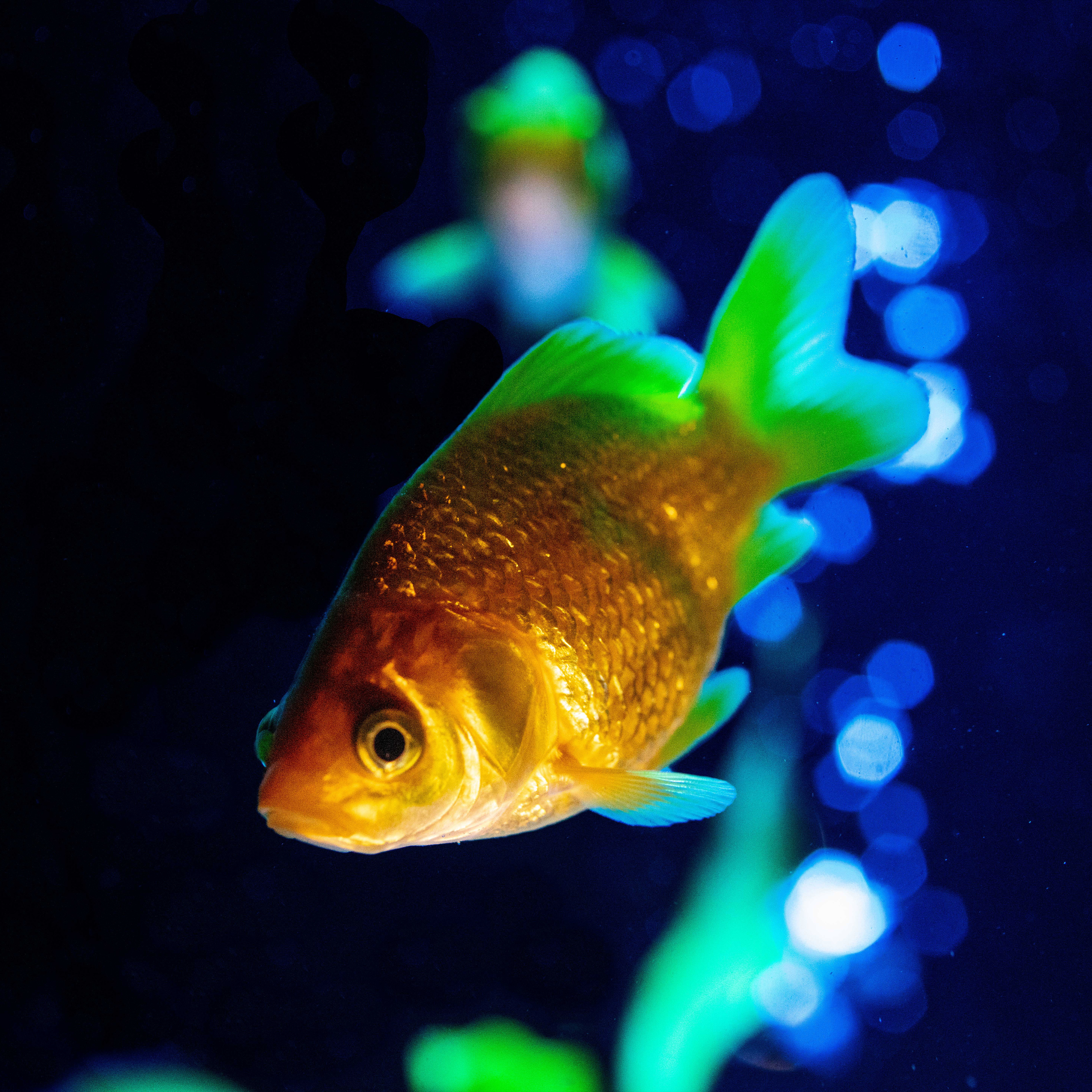
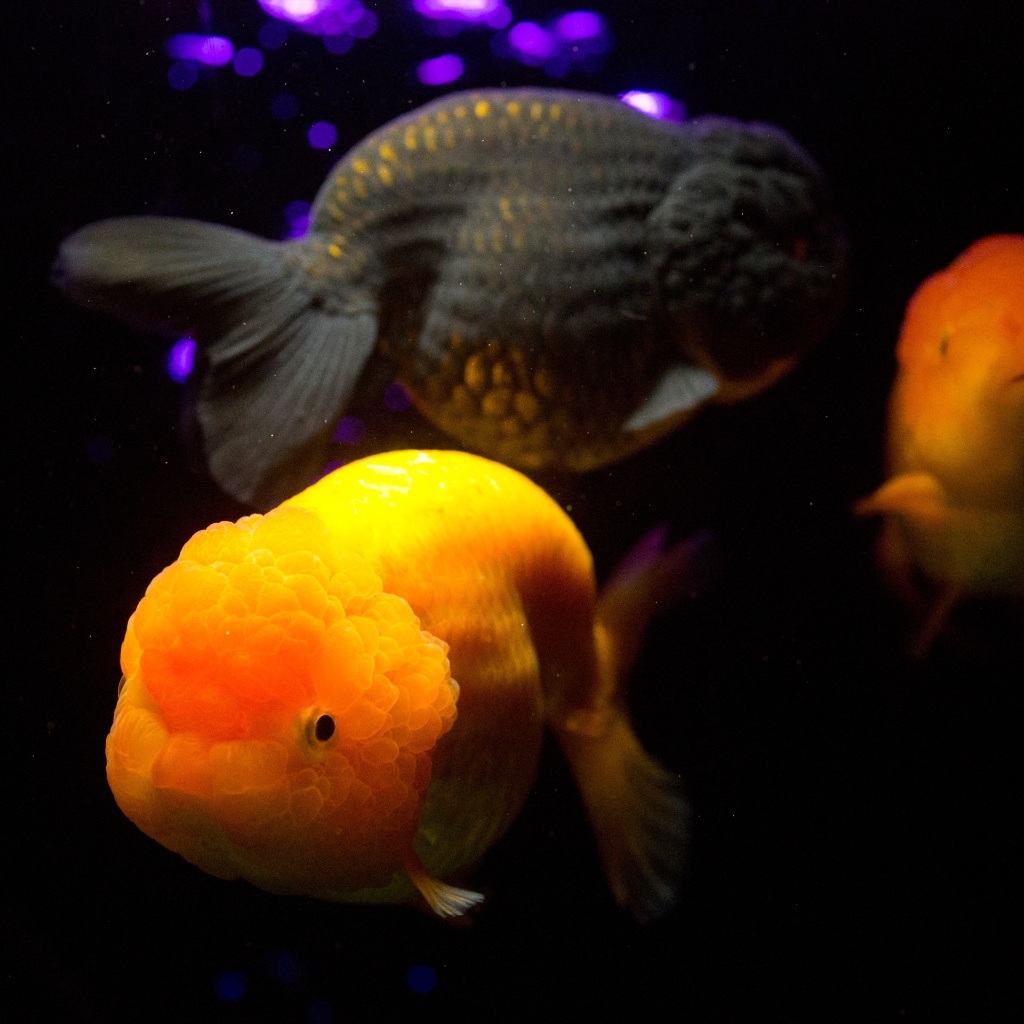
The gray, inconspicuous crucian carp and the red, glamorous goldfish.They look like completely different creatures.But this fish called Funa actually had tremendous potential hidden within it.
What is the Goldfish's Ancestor "Funa"? Basic Characteristics
Funa is a Relative of the Carp
Many of you may have seen Funa in rivers or ponds when you were children.I also often saw them in a nearby pond when I was a child.That somewhat plain - colored fish.
Funa is a relative of the carp and is classified as Carp family, Funa genus .There are several types of Funa in Japan, such as Ginbuna (Silver Crucian Carp), Kinbuna(Gold Crucian Carp), and Gengorou - buna.
It is said that the type closely related to the Ginbuna, mainly found in China, became the direct ancestor of the goldfish .
Size and Physical Characteristics of Funa
The size of a Funa is roughly 10 to 30 centimeters .About the size of a palm to an arm.The body is streamlined and looks a bit flat when viewed from the side.The scales are large, with about 27 to 30 arranged on the side.
The Reason for Funa's Plain Body Color
Camouflage for Survival
And what is most characteristic is its color.
The back is dark green or grayish - brown.The belly is silvery - white to pale yellow.The whole thing glitters somewhat metallically... but plain is still plain.
However, there is a reason for this plainness .
To blend into the bottom of the water or water weeds.To make it hard to be spotted by birds from above.To protect itself from underwater predators.In other words, this color is a "color for survival."
Pigments that Make Up Funa's Body Color
Responsible for this plain color are:
- Melanin pigment (blackish pigment)
- Guanine crystals (silvery glitter)
- Carotenoids (yellowish pigment, small amount)
When this balance changes...yes, a red fish is born.
Funa's Habitat: Adaptability to Be Anywhere
Widely Distributed Across East Asia
The amazing thing about Funa is the extent of its distribution .
It is found throughout East Asia, namely China, the Korean Peninsula, Japan, and the Russian Far East.Not only that, but in recent years it has advanced to Europe and established itself as an invasive species.
Can Live in Diverse Waters
And the places where it can live are also diverse:
- Places with gentle river flow
- Lakes and marshes
- Irrigation channels in rice paddies
- Park ponds
- Moats
It can live almost anywhere.
This "strength to live anywhere" is one of the reasons why humans were later able to keep Funa.
Funa's Amazing Vitality Gave Birth to Goldfish
Adaptability to Survive Harsh Environments
The biggest reason Funa could become the ancestor of the goldfish is its overwhelming vitality .
First, adaptability to water quality .It is fine even in water with low oxygen where other fish cannot live.Regarding water temperature, it can withstand the coldness close to 0 degrees in winter to the heat close to 30 degrees in summer.Slightly dirty water is no problem.
Even more surprising is that, although it is a freshwater fish, it can also live in brackish waters where seawater and freshwater mix.And it can withstand long periods of fasting.In winter, it lowers its metabolism and overwinters while quietly saving energy.
Reason for Surviving in Ancient Chinese Ponds
Funa kept in ancient Chinese ponds.Surely the breeding environment must not have been as good as it is now.But Funa survived tenaciously even in such an environment.
Without this robustness, goldfish would not have been born.
Funa is an Omnivore that Eats Anything
Eats Both Plants and Animals
Funa is omnivorous .It eats anything from plant matter such as new shoots of water weeds, algae, and seeds of waterside plants, to animal matter such as larvae of aquatic insects, water fleas, sludge worms, and small crustaceans.
It also sucks in and eats organic matter sunk to the bottom.In other words, it can live without any special food.
Leading to Ease of Breeding
From the keeper's perspective, this is a huge help. Even without preparing special food, creatures and plants in the pond are enough.
This omnivorous nature is also one of the reasons why Funa was chosen as a farmed fish.
Funa's Social Nature and Ornamental Value
Habit of Swimming in Schools
Funa basically acts in schools .It prefers being together over being alone.
When the spawning season comes, they form even larger schools.Because of this social nature, multiple Funa could be kept together in a pond.As an ornamental fish, multiple fish look better than a single one.
Fish Active During the Day
And Funa is a fish that is active during the day .It rests among water weeds at night and swims around during the day.
In other words, it is active during the time when humans can enjoy watching it.As an ornamental fish, this is also an important point.
Funa's Fertility Made Selective Breeding Possible
Fertility to Lay Massive Amounts of Eggs
In spring, when the water temperature reaches about 15 to 20 degrees, Funa enters the breeding season.
The spawning scene is quite dynamic.Males chase females and lay eggs while rubbing against water weeds.The eggs are sticky and stick to the water weeds.
And the number of eggs a single female lays is amazing. From tens of thousands to as many as hundreds of thousands.
Probability of Mutations Appearing
Funa becomes an adult in 2 or 3 years and can breed every year.If the environment is good, they increase rapidly.This high fertility was also important.
If many children are born, the probability that individuals with changed colors appear from time to time also increases.And selecting and raising those changed individuals... this was the beginning of selective breeding .
Why Only Funa Could Become the Ancestor of Goldfish
Looking back so far, something has become clear.
It was no coincidence that Funa became the ancestor of the goldfish.
7 Conditions Funa Possessed
1. Adaptability to survive in any environment
2. Robustness to live even in human - managed ponds
3. Omnivorous nature that eats anything, keeping breeding costs low
4. Social nature allowing them to be kept in schools
5. Active during the day , making them easy to watch
6. High fertility
7. Genetic characteristics where pigment mutations easily appear
Because all of these were present, Funa was kept, observed, selected by humans, and was able to change into goldfish.
If Funa Were a Different Fish
If Funa had been a more delicate fish, it would not have been able to survive in ancient Chinese ponds.If its fertility had been low, the probability of individuals with changed colors being born would have been low.
The birth of the goldfish was a miracle realized precisely because of the "power to live" possessed by the fish called Funa.
Summary: From Plain Funa to Glamorous Goldfish
The plain and inconspicuous river fish, Funa.But its inner strength and genetic possibilities created a goldfish culture spanning over a thousand years.
Next time, we will look in detail at the various types of Funa and specifically which Funa became the ancestor of the goldfish.
References
(References omitted for brevity, please refer to the Japanese text or original sources)
Note: This article is an essay for general readers and not a specialized academic paper.The content is based on the above references but expressions are simplified for clarity.Please refer to the specialized literature above for more detailed information.
Related Articles
- Goldfish's Ancestor is the Chinese Crucian Carp! (Part 2)
- What is Mutation? A Biological Explanation (Part 3)
- Mechanism of Goldfish Red Color: Science of Pigment Cells and Light (Part 4)
- What is the Song Dynasty of China? Explaining the Historical Background (Part 5)