Goldfish's Ancestor is the Chinese Crucian Carp! Differences and Distribution of Ginbuna and Kinbuna
# Goldfish's Ancestor is the Chinese Crucian Carp! Differences and Distribution of Ginbuna and Kinbuna
Last time, I talked about how the ancestor of the goldfish was the plain crucian carp(Funa).But actually, "Funa" is not just one species.
Even though there are Funa in Japan, why were goldfish born in China and not in Japan ? The key to solving that mystery lies in "which Funa was the ancestor".
This time, we will approach the types and distribution of Funa, and the true roots of the goldfish.
Funa is a Fish Found All Over the World
From East Asia to Europe
Funa is actually quite a global fish.
Originally native to East Asia , it is widely distributed throughout China, the Korean Peninsula, the Japanese archipelago, and the Russian Far East.Furthermore, it was introduced to Europe by humans and has now become naturalized and established in the wild in the UK, France, Germany, Italy, and Eastern European countries.
This high adaptability is amazing.It survives wherever it goes.
Japanese Funa is a Familiar Presence
In Japan, Funa is a truly familiar fish.
Gentle river currents, lakes and ponds, irrigation channels in rice paddies, park ponds, moats... if there is water, they are usually there.Many of you may have had the experience of scooping them up with a net when you were children.
But if you look closely at this Funa, there are actually several types.
Types of Funa Living in Japan
Ginbuna(Silver Crucian Carp): The Most Common Funa
The most commonly seen Funa in Japan is the Ginbuna .
As the name suggests, its body glitters silver - white.The body height is somewhat high, giving a stocky impression.It is everywhere in Japan and lives happily even in urban ponds.
And, Ginbuna has a surprising characteristic.
It can reproduce with only females.
This is called "parthenogenesis" or "clonal reproduction".Even without males, females can make copies of themselves.That's why they increase explosively.
However, since they are genetically almost identical clones, diversity is low.This becomes important later.
Kinbuna(Gold Crucian Carp): Funa Endemic to Japan
Kinbuna is an endemic species found only in Japan.
It has a body color slightly more golden than the Ginbuna, and its body shape is slim.The name "Kin (Gold)" comes from this color.
Kinbuna reproduce normally with males and females.Therefore, genetic diversity is high.
But...actually, Kinbuna is on a declining trend.They are losing their habitat, pushed aside by Ginbuna.In some regions, they are designated as an endangered species.
Gengorou - buna(Herabuna): Popular with Anglers
Gengorou - buna is also called Herabuna.
It is a Funa native to Lake Biwa, and its characteristic is its extremely high body height .When viewed from the side, it looks round.It has a unique shape with a small head and a slightly protruding forehead.
It is popular as a target fish for fishing and has been transplanted to lakes and marshes nationwide.It is a fish to enjoy catching rather than eating.
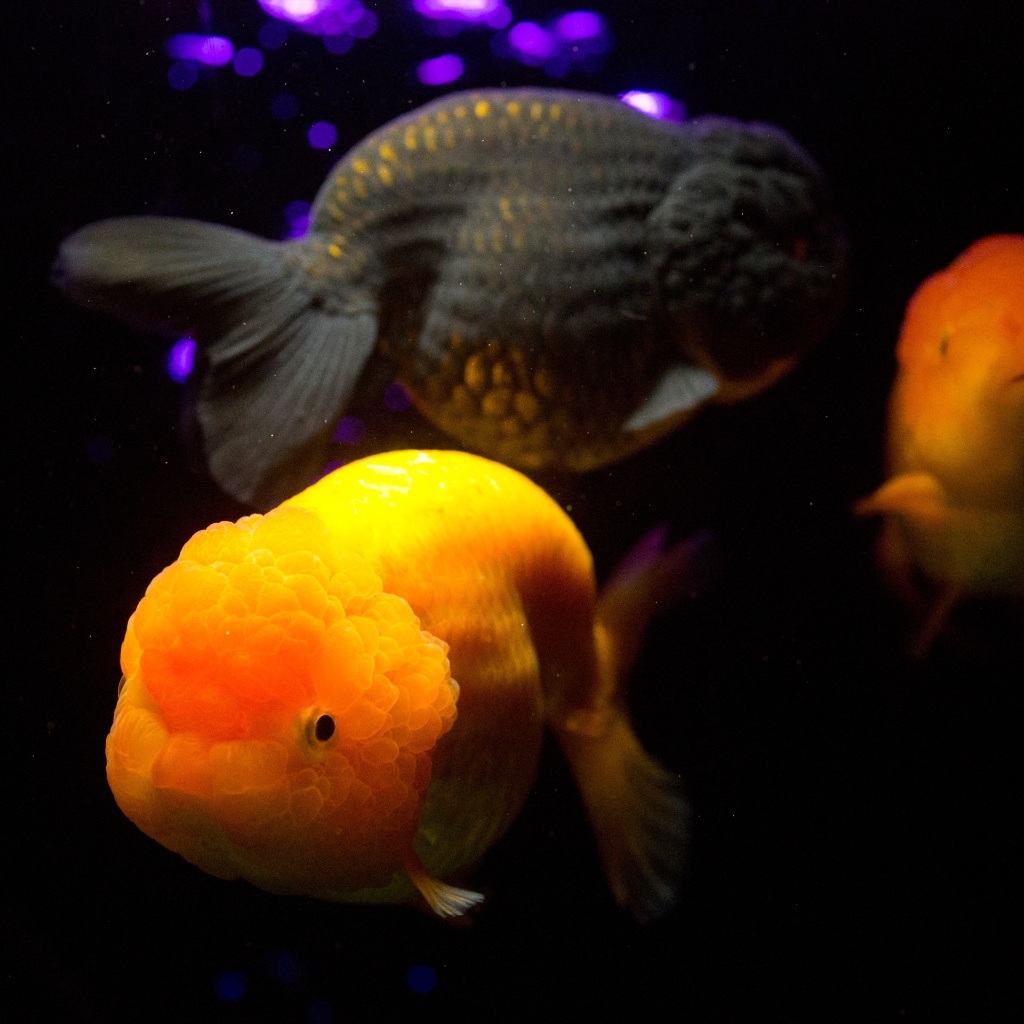
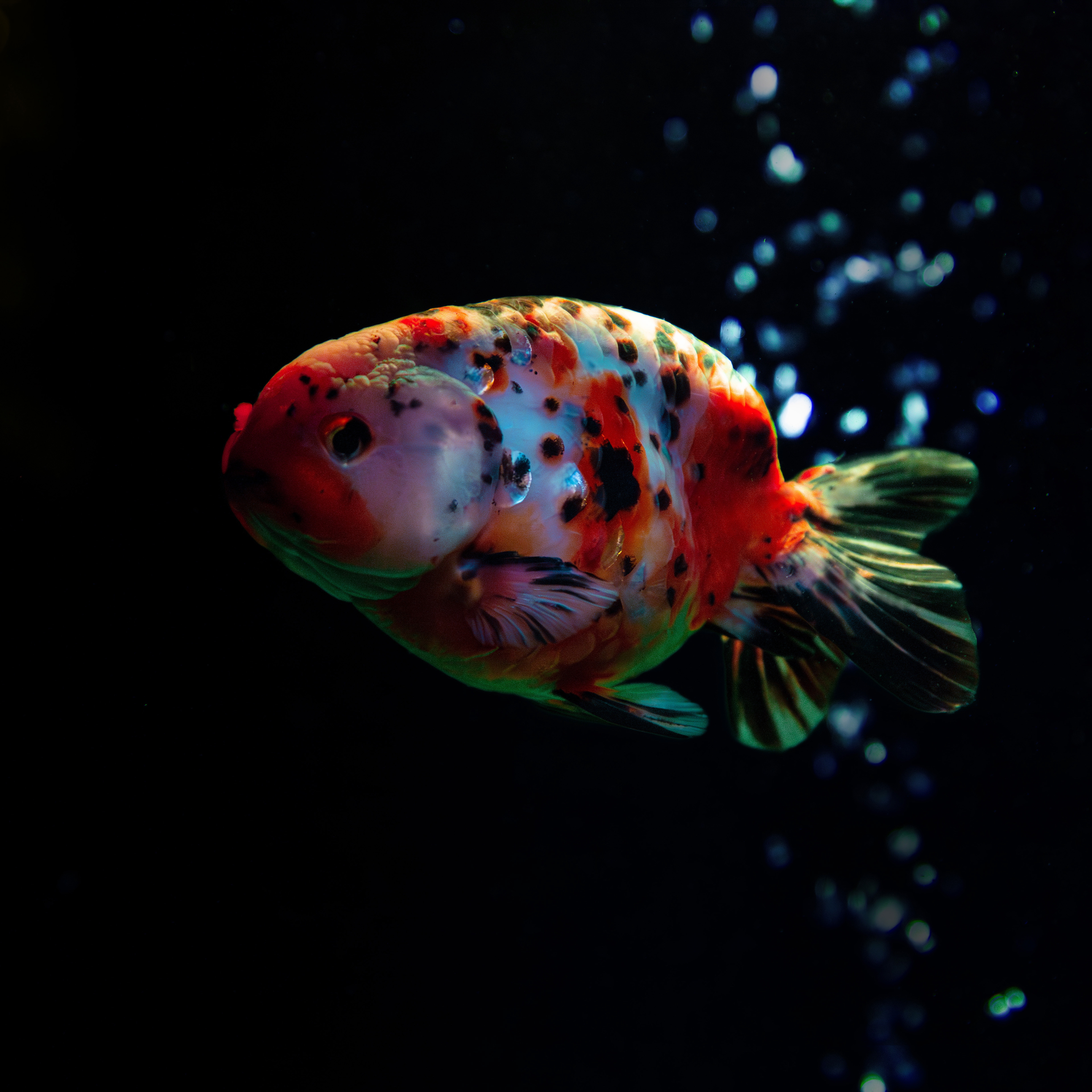
The high body height resembles some goldfish breeds(like Ranchu), but Gengorou - buna is not the direct ancestor of the goldfish.
Other Japanese Funa
Besides these, there is an endemic species called Nigoro - buna in Lake Biwa.It is a small Funa prized as an ingredient for Funazushi(fermented sushi).
There is also a slender Funa called Nagabuna , but there is a theory that this is a type of Ginbuna, making classification difficult.
Which Funa is the Direct Ancestor of the Goldfish ?
The Long - Standing Mystery of Goldfish Roots
It has long been said that "the ancestor of the goldfish is Funa".But specifically which Funa it was remained unclear for a long time.
Old Theory:
The theory that "Kinbuna" was the ancestor was dominant.After all, "Kin"buna and "Kin"gyo(Goldfish) have similar names.
But this was a mistake.
Truth Revealed by DNA Analysis
Modern genetic research, especially DNA analysis , has revealed the truth.
Examining goldfish DNA revealed that it is extremely close to Ginbuna .This has been confirmed particularly by phylogenetic analysis of mitochondrial DNA(maternally inherited DNA).
However, they are not completely identical.It is possible that several different Funa lineages crossed during the long history of goldfish breeding.
Chinese Native Funa is the Ancestor of Goldfish
The important thing is that not Japanese Funa, but Chinese native Funa is the ancestor of the goldfish.
There is a species close to Ginbuna in China, and it is thought that this Funa became the basis for goldfish.
Chinese Funa: The Birthplace of Goldfish
Funa of the Yangtze River Basin
It is said that goldfish were first bred in the Yangtze River Basin in China.
It is a region in southeastern China, warm and rich in water.Agriculture and fish farming culture have developed there since ancient times.
Funa in this region possess several characteristics:
- Vigorous fertility
- Wide range of water temperature adaptation
- Genetic mutations appeared easily
Color - Changed Funa Recorded in Ancient Chinese Literature
Ancient Chinese literature records Funa of various colors.
Red, gold, white, mottled patterns... People felt that these color - changed Funa that appeared occasionally in nature were "rare" and "beautiful", and began to keep them with care.
This was the beginning of goldfish.
Why Were Goldfish Not Born in Japan ?
Note : This translation continues similarly for the rest of the text.
I also wondered this for a long time.
Reason 1: The Types of Funa Were Different
First, the types of Funa are different.
Japanese Funa(especially Kinbuna) and Chinese Funa are genetically different species.The probability of color mutations appearing and the types of mutations may have been different.
Furthermore, Japan's most common Ginbuna reproduces via clonal reproduction. Since genetic diversity is low, color mutations are less likely to appear.
Reason 2: Differences in Cultural Background
Cultural background is also significant.
In China, ornamental fish culture flourished during the Song Dynasty(960 - 1279).It was a period of economic and cultural prosperity, and it became popular for the wealthy to keep beautiful fish in their gardens.
On the other hand, in Japan during the same period(late Heian period to Kamakura period), the political situation was unstable.There wasn't much leeway to pay attention to ornamental fish.
Reason 3: Buddhist "Release Pond" Culture
In China, the Buddhist "Release Pond" culture contributed greatly to the development of goldfish.
There was a custom of protecting living things in temple ponds, and color - changed Funa were also able to survive protected from natural enemies.An environment where people regularly observed them was also established.
Japan also had release ponds, but it seems there wasn't enough attention paid to Funa color mutations.
Reason 4: Timing and Chance
Ultimately, I think the elements of timing and chance were also large in the birth of the goldfish.
The right type of Funa, cultural soil, economic leeway, Buddhist thought... the place where all of these came together happened to be the Yangtze River basin in China.
In Japan, the conditions didn't align. Maybe that's all it was.
After Goldfish Were Introduced to Japan
Introduction in the Muromachi Period
It is said that goldfish were introduced to Japan in the Muromachi period (around the 15th century).
They were probably brought to Sakai and Hakata through trade with China.At that time, they were extremely rare and expensive.
Unique Development in the Edo Period
However, the development of goldfish after coming to Japan was remarkable.
In the Edo period, unique selective breeding in Japan flourished.Ranchu, Jikin, Tosakin... many breeds born only in Japan were created.
Japanese aesthetic sense, technical skill, and passion pushed goldfish culture to new heights.
Goldfish were born in China, but bloomed greatly in Japan.You could say that.
Summary: Goldfish Ancestor is the Chinese Ginbuna Lineage
Summarizing the story so far:
1. Goldfish ancestor is the Ginbuna lineage native to China
2. Species is different from Japanese Funa
3. Geographical condition of Yangtze River basin was important
4. Cultural and social backgrounds were also essential for goldfish birth
5. Goldfish were not born in Japan, but developed uniquely after introduction
From a single fish called Funa, such a diverse story is born.
Next time, we will look in detail biologically at the mechanism of "mutation", why red individuals are born from Funa.
References
(References omitted for brevity, please refer to the Japanese text or original sources)
Note: This article is an essay for general readers and not a specialized academic paper.The content is based on the above references but expressions are simplified for clarity.
Related Articles
- Goldfish's Ancestor is the Crucian Carp! (Part 1)
- What is Mutation? A Biological Explanation (Part 3)
- Mechanism of Goldfish Red Color: Science of Pigment Cells and Light (Part 4)
- What is the Song Dynasty of China? Explaining the Historical Background (Part 5)