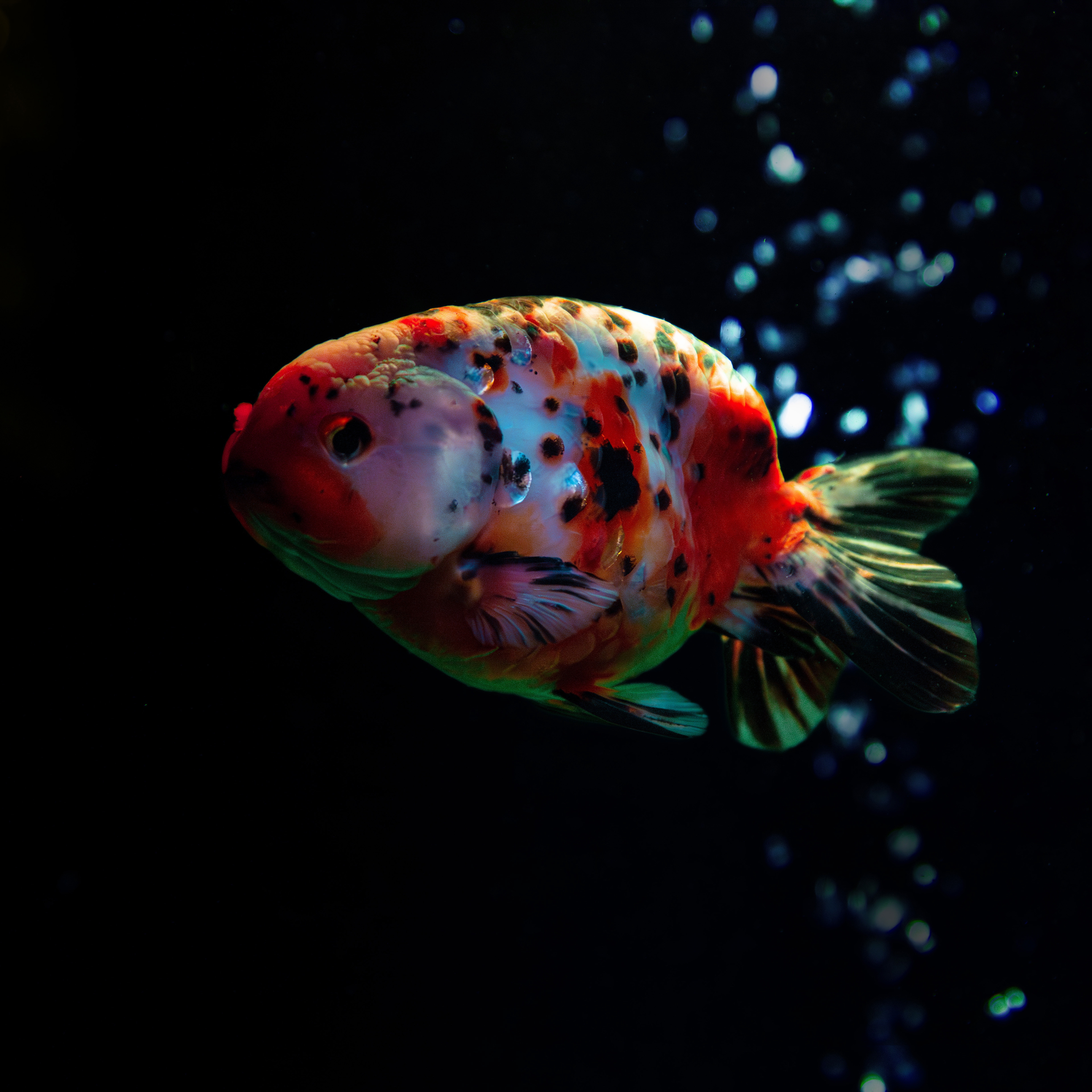
Edo Chic Dwelling in the Back. The Luxury of "Viewing from Above".
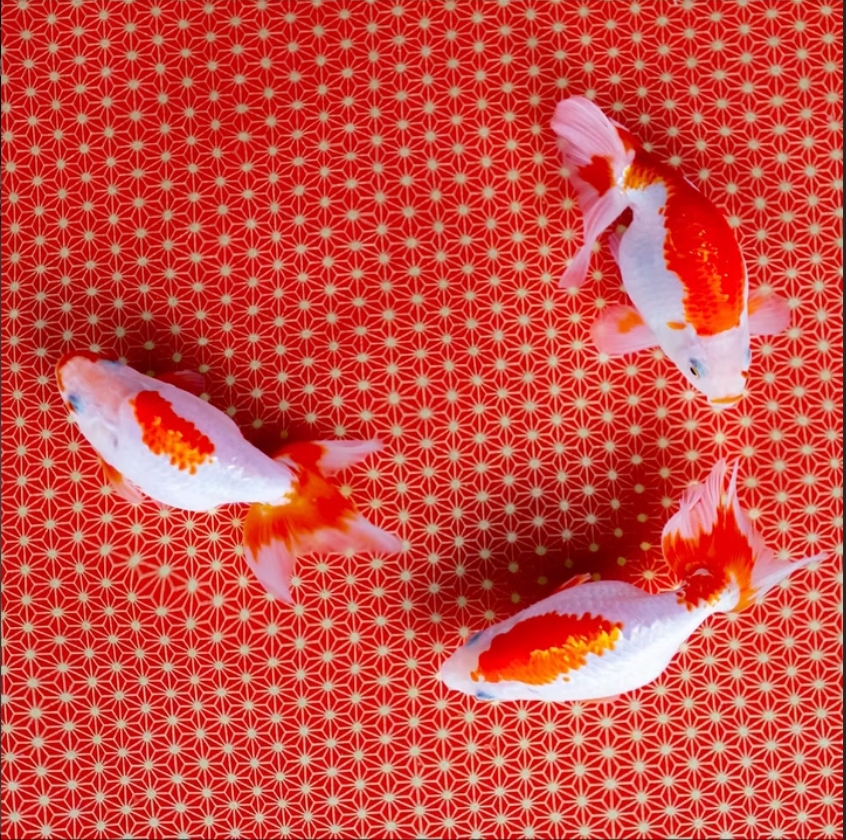
When you hear "viewing goldfish", you might imagine a scene of watching them swim from the side of a tank.Juane * here.Hello.
Actually, for people in the Edo period, it was natural to view goldfish from "above", not from the "side".That perspective has nurtured Japan's unique beautiful goldfish.
Wisdom and Aesthetics in the Era Without Glass
In the Edo period, there were no large transparent glass tanks like today.People released goldfish into ceramic pots, wooden tubs, and sometimes buckets, and admired their figures from above.This is called "Uwami (Top View)".
It was not looking from the side like today, but a graceful way of enjoying, like gazing at petals floating on the water surface.
Why the "Back" Became a Kimono Pattern
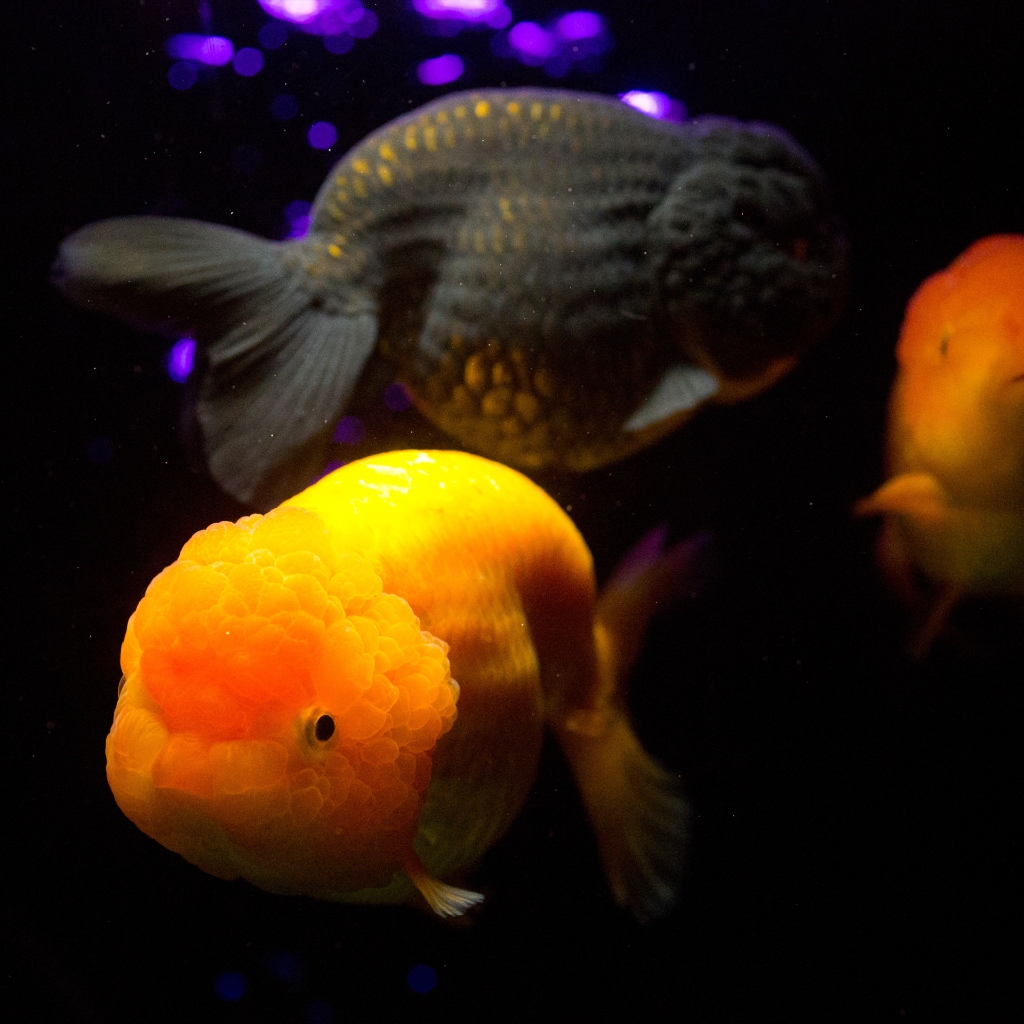
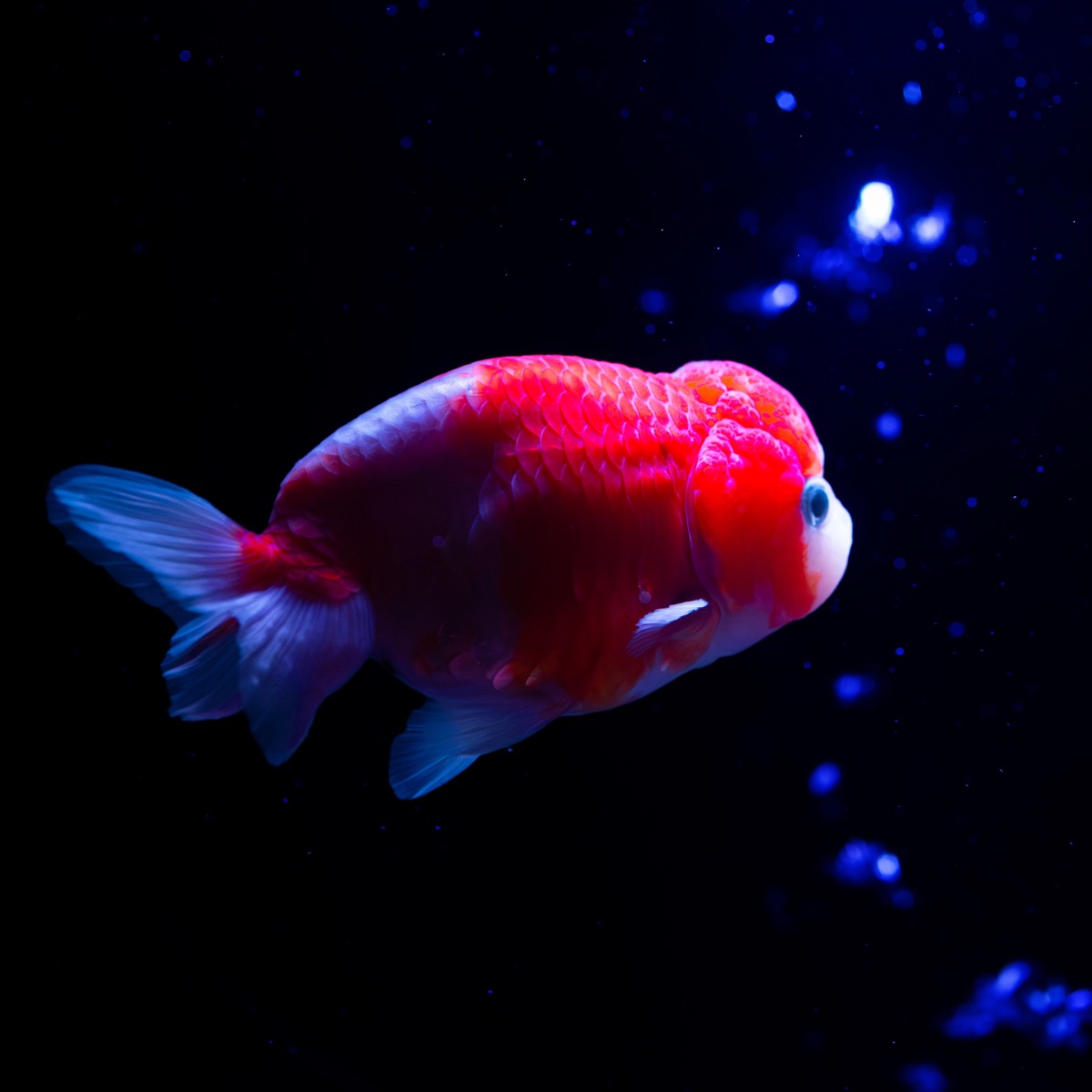
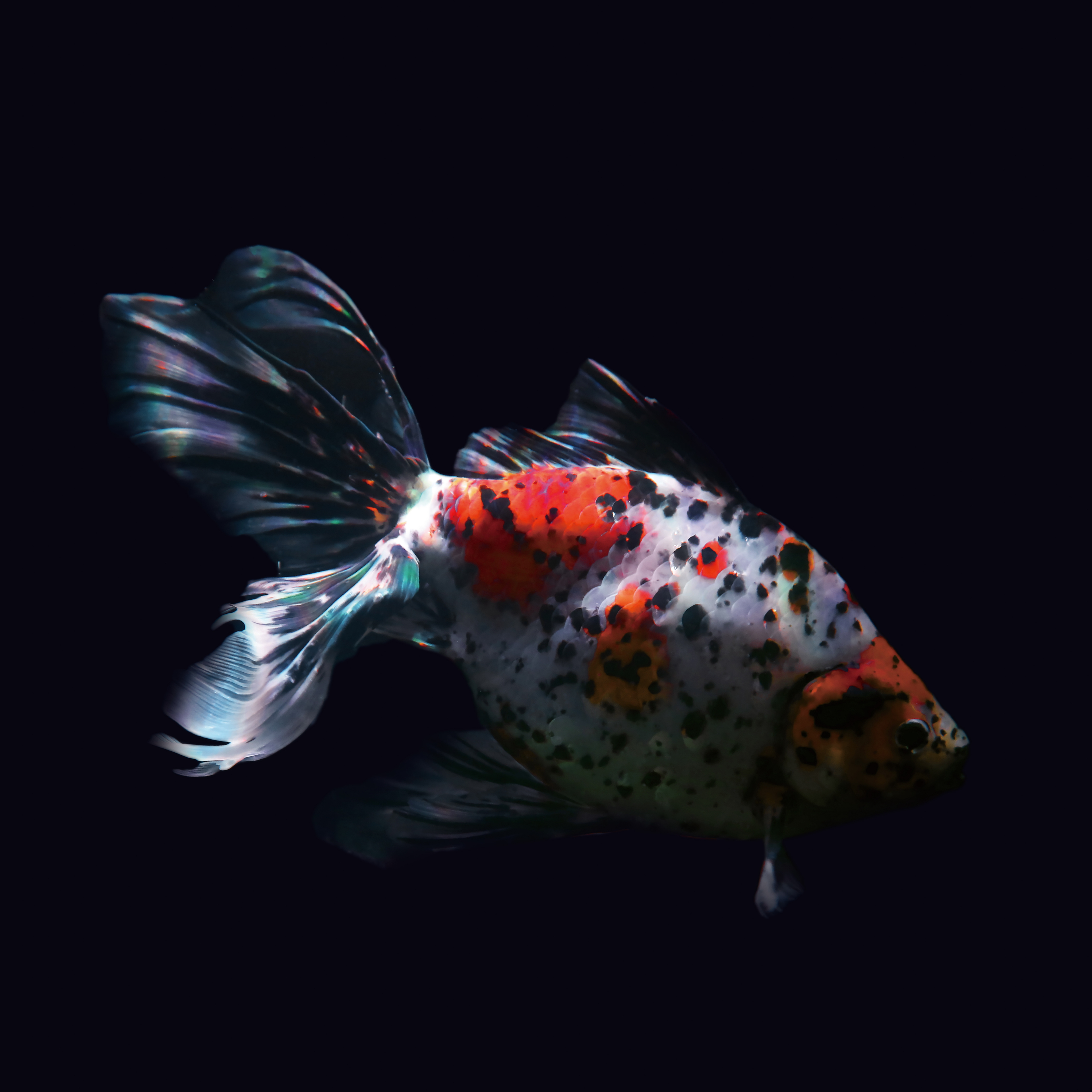
Because "viewing from above" was the standard, Japanese goldfish evolved to highlight the beauty of their backs and fins.For example, breeds like "Ranchu" and "Jikin".The curves of the body when viewed from above and the shape of the tail fin that opens wide are like a "moving kimono pattern" drawn in the water.
Beauty that cannot be noticed from the side, but can only be understood by looking from above.I feel that it resonates with the spirit of "Iki (Chic)" of Edo people, who packed fashion into unseen places.
It's wonderful, isn't it ?
Finding the most beautiful angle even within limited conditions and admiration it.Doesn't it feel somewhat similar to the joy of the moment when we notice a small flower blooming at our feet in our busy daily lives?
In Conclusion: If You Change Your Perspective, You Can Encounter New Beauty
The Edo custom of "viewing from above".It seems to teach us the importance of looking at one thing from multiple angles.
Jun * Juane's works too, sometimes from above, sometimes letting light through... We would be happy if we could deliver such a free and rich perspective so that you can find your own "favorite angle".
Culture of "Uwami (Top View)": Most goldfish depicted in ukiyo - e prints of the Edo period(such as those by Kuniyoshi Utagawa and Hiroshige Utagawa) are in ceramic pots or tubs, depicting people peering from above.
History of Glass: It was not until the Meiji period that transparent plate glass became widespread in Japan and "glass goldfish bowls" for side viewing became popular.Until then, breeding in opaque containers was the mainstream.
Criteria for Selective Breeding: In competitions for traditional breeds such as Ranchu, the "figure viewed from above" is still the most important judging criterion.