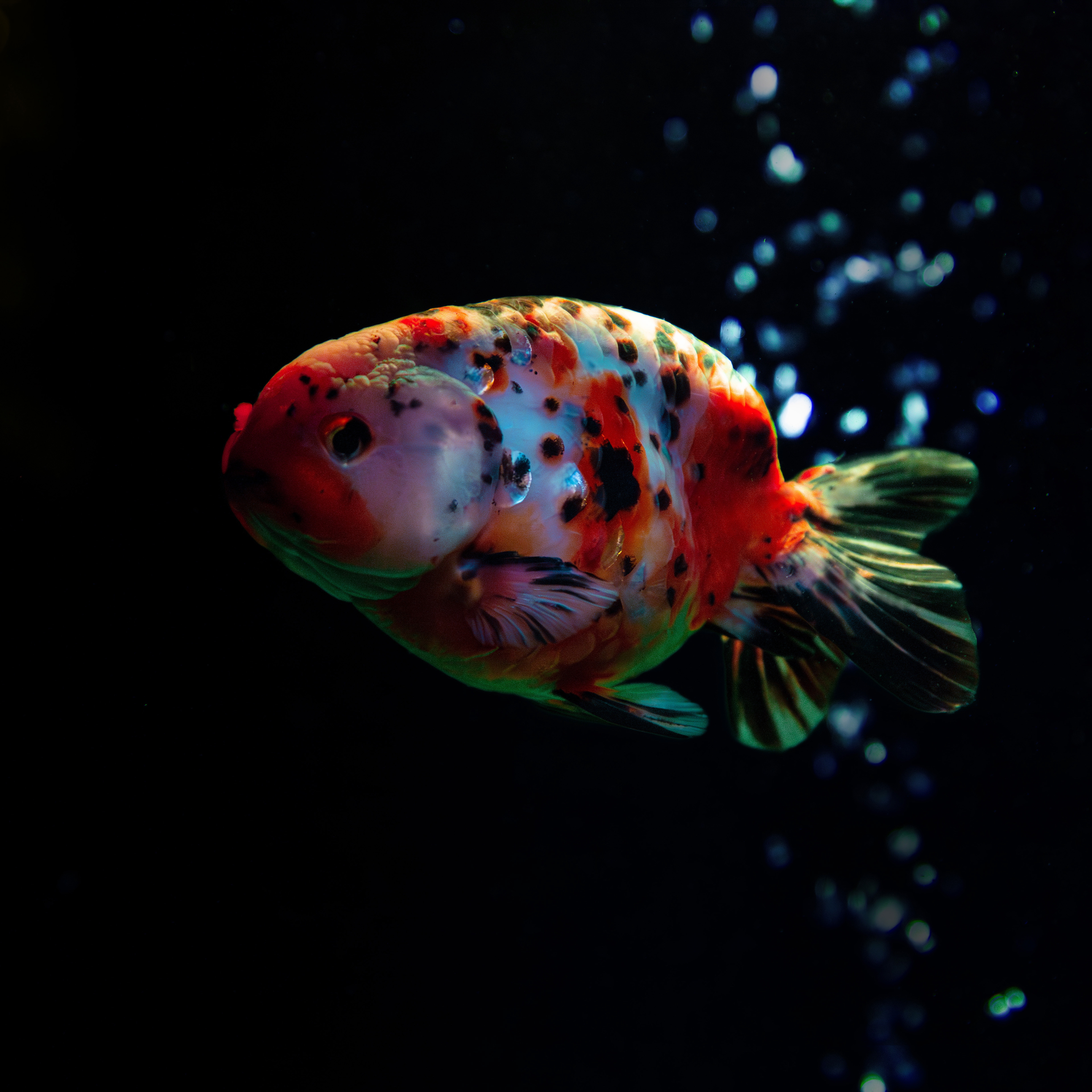
From a Flower on a High Peak to a Summer Friend. The Voice of the "Goldfish Seller" Echoed in the Streets of Edo.
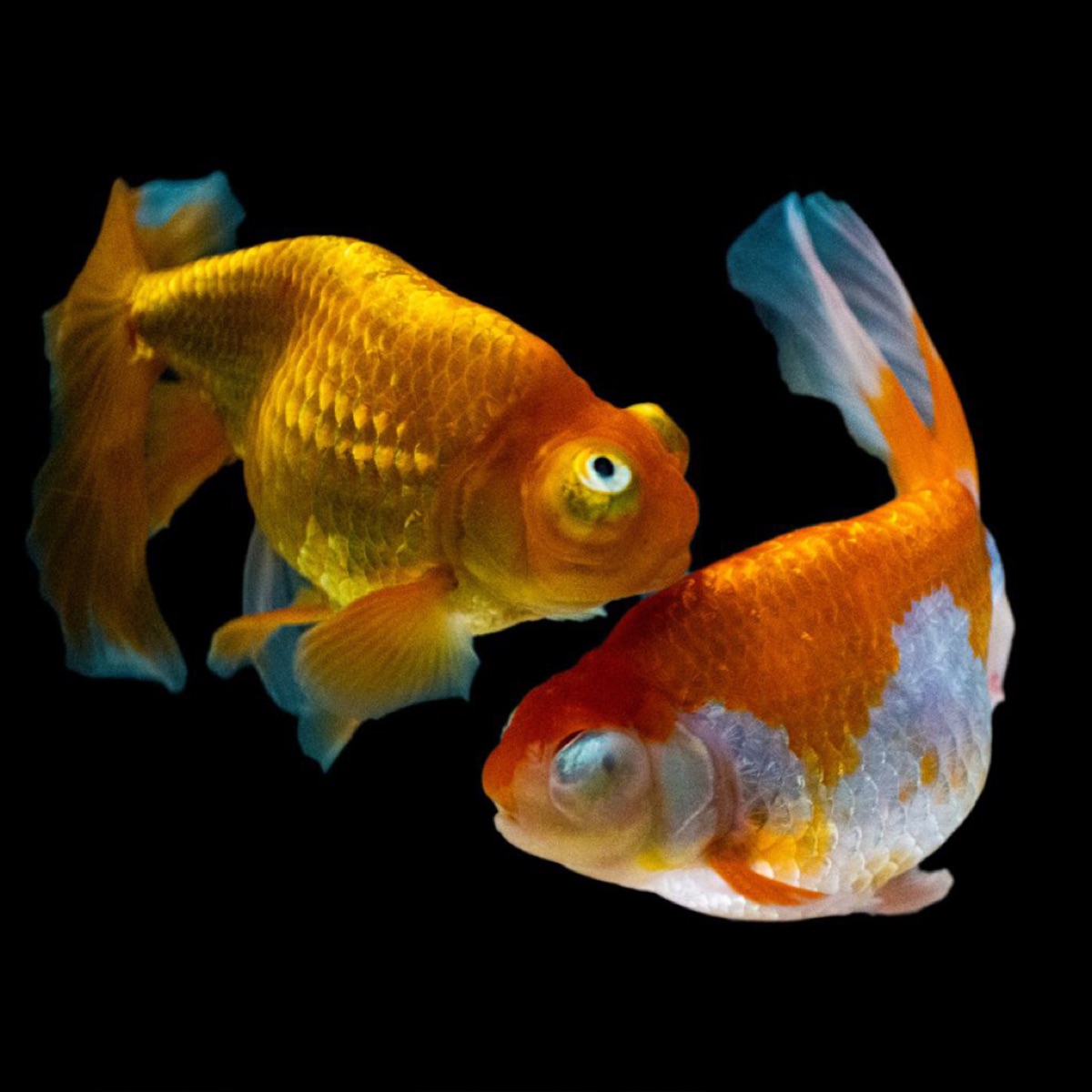
Goldfish, which came to Japan in the Muromachi period, were "living jewels" loved only by a limited number of people such as daimyo and wealthy merchants for a long time.It was the Edo period that the luxurious culture changed greatly and came to be seen everywhere in the city.
Juane * here.Hello.
Today, I would like to talk about the enthusiasm of the Edo period, when goldfish changed from "special treasures" to "coloring of life".
1748, Birth of the World's First Specialized Book
In the middle of the Edo period, 1748(Kan'en 1). "Kingyo Yogan So" (Goldfish Keeping and Appreciation Herbs), which is said to be the first specialized book on goldfish breeding in Japan or in the world, was published. It carefully describes goldfish varieties, how to keep them, and even how to cure diseases.
The publication of a specialized book is proof that so many people were interested in goldfish and actually started raising them.Goldfish, which belonged to some privileged classes, spread widely among the common people along with knowledge.
Melody of "Goldfish Seller" Coloring the City
Speaking of the summer tradition of Edo, it is the figure of a "goldfish seller" walking around the city carrying a balancing pole. "Ee, Kingyo, Ee, Kingyo" When that unique call was heard, adults and children were said to have jumped out into the alley.At that time, there were no glass aquariums yet, and the common people put goldfish in "tubs" and "bowls" and enjoyed looking at them from above.
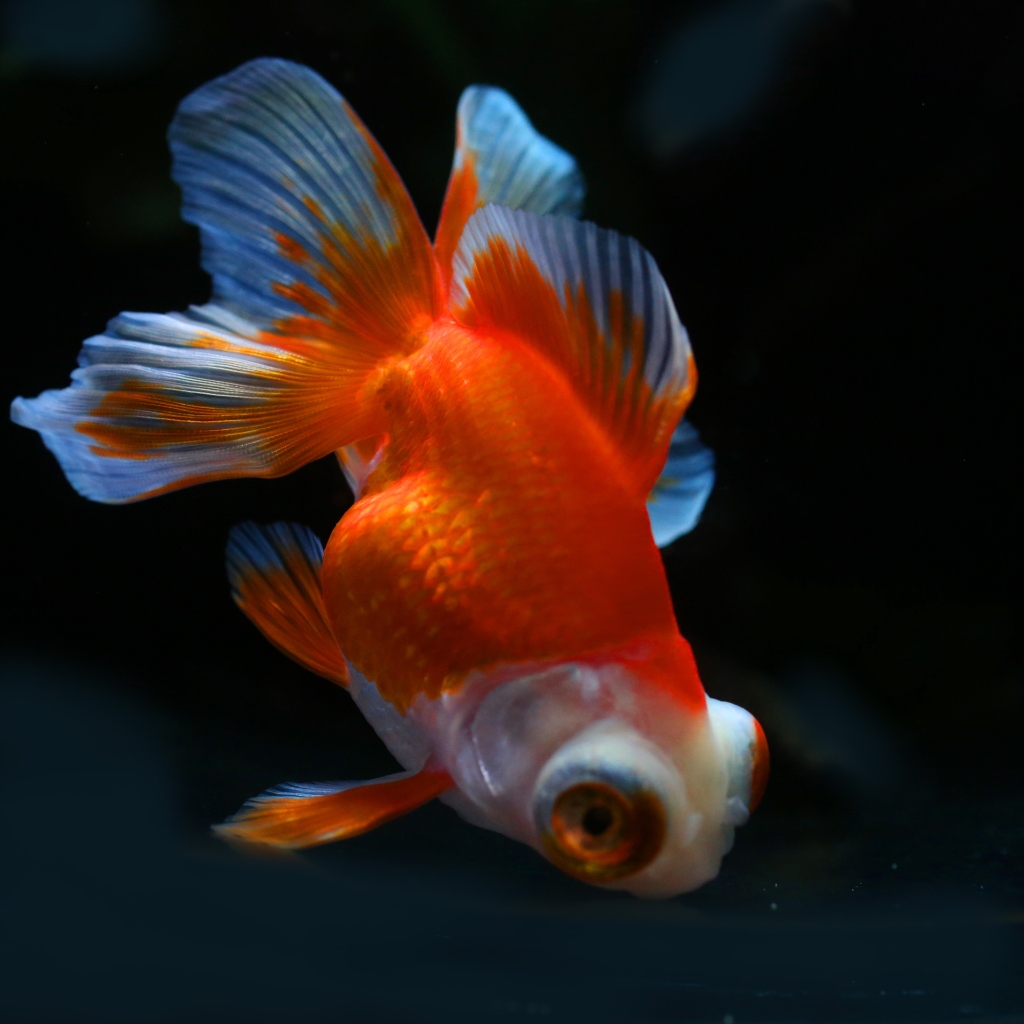
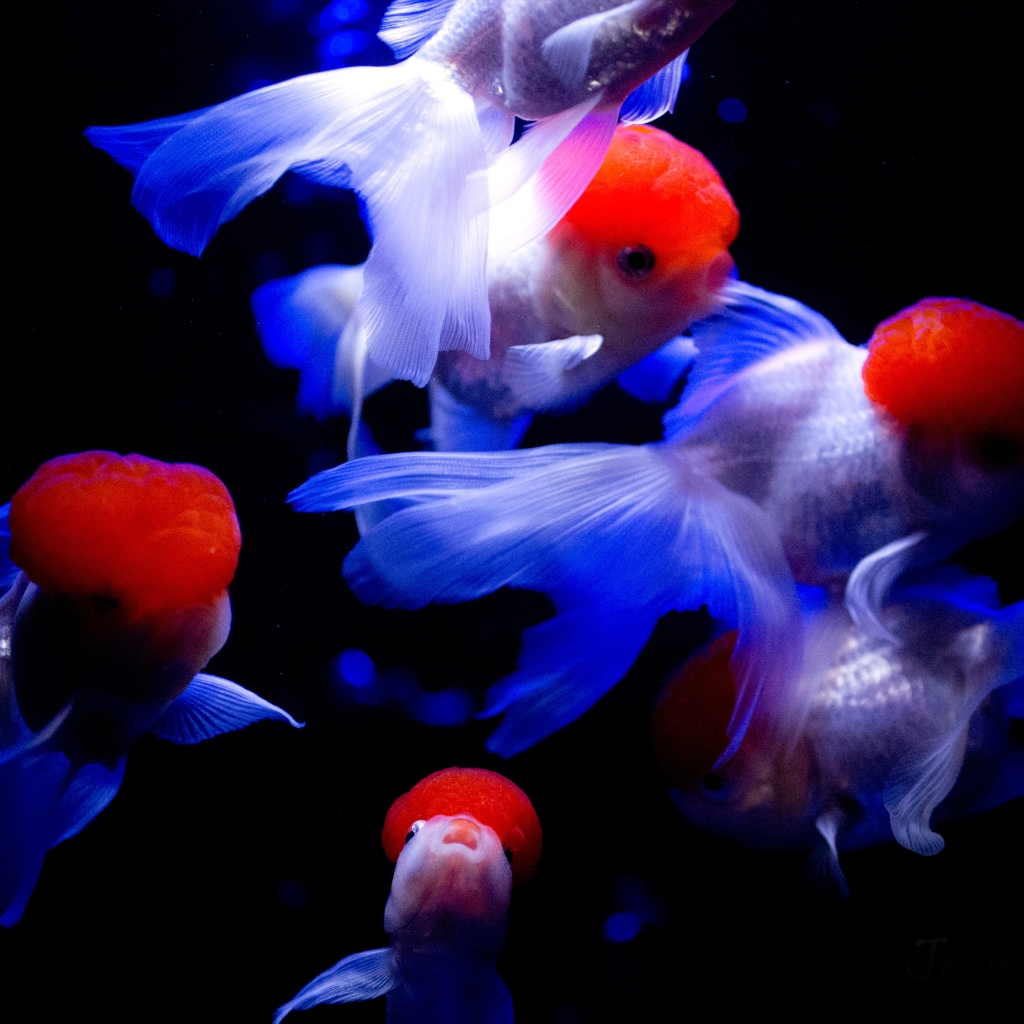
Admire the swaying red shadow from above.That appreciation style also led to the cultivation of Japan's unique aesthetic of "goldfish beautiful when viewed from above (such as Ranchu)".
Small Life in Ukiyo - e
The enthusiasm for goldfish in this era remains strong in the art world.Famous Ukiyo - e artists such as Utagawa Kuniyoshi and Kitagawa Utamaro drew anthropomorphized goldfish and beautifully captured the appearance of beautiful women looking at goldfish.
It may have been the moment when the existence of goldfish melted into "Japanese aesthetics" itself beyond mere fashion.Goldfish have become irreplaceable partners for the people of Edo to carry the seasons and heal their hearts.
How wonderful.
The Lingering Scent of Edo That Continues Today
The custom of looking at goldfish at summer festivals and admiring their appearance in water basins at the eaves.Many of its roots are in the vibrancy of this Edo period.
As Jun * Juane, we also want to cut out the "brilliance beyond the times" that the life of goldfish has with modern sensitivity, just as the Edo painters did.The gaze staring at one goldfish is connected somewhere with the people of Edo hundreds of years ago.When I think so, the red in the water feels even more dear.
"Kingyo Yogan So"(1748): Japan's first commentary on goldfish breeding written by Adachi Yoshiyuki. Published against the background of the breeding boom at that time, it laid the foundation for modern goldfish culture.
History of Goldfish Sellers: Goldfish were very expensive in the early Edo period, but as aquaculture technology improved from the middle period onwards and prices became affordable for common people, mobile sales "goldfish sellers" became established.
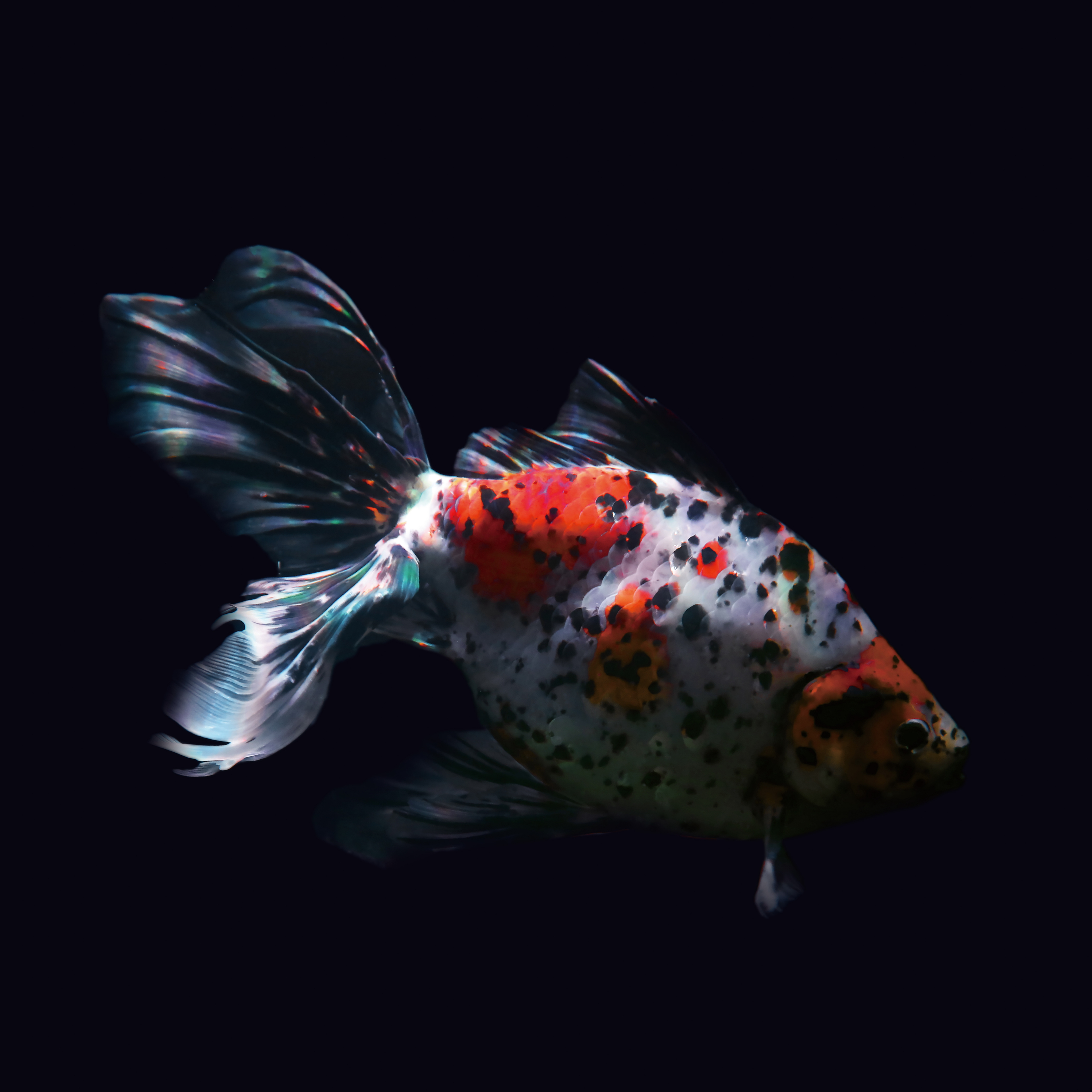
Culture of Top View(Uwami): The mainstream appreciation style in the Edo period was to view from above in pottery or wooden vessels.For this reason, the breeding of Japanese goldfish evolved in a direction that emphasizes the color of the back, the wen, and the spread of the tail fin.