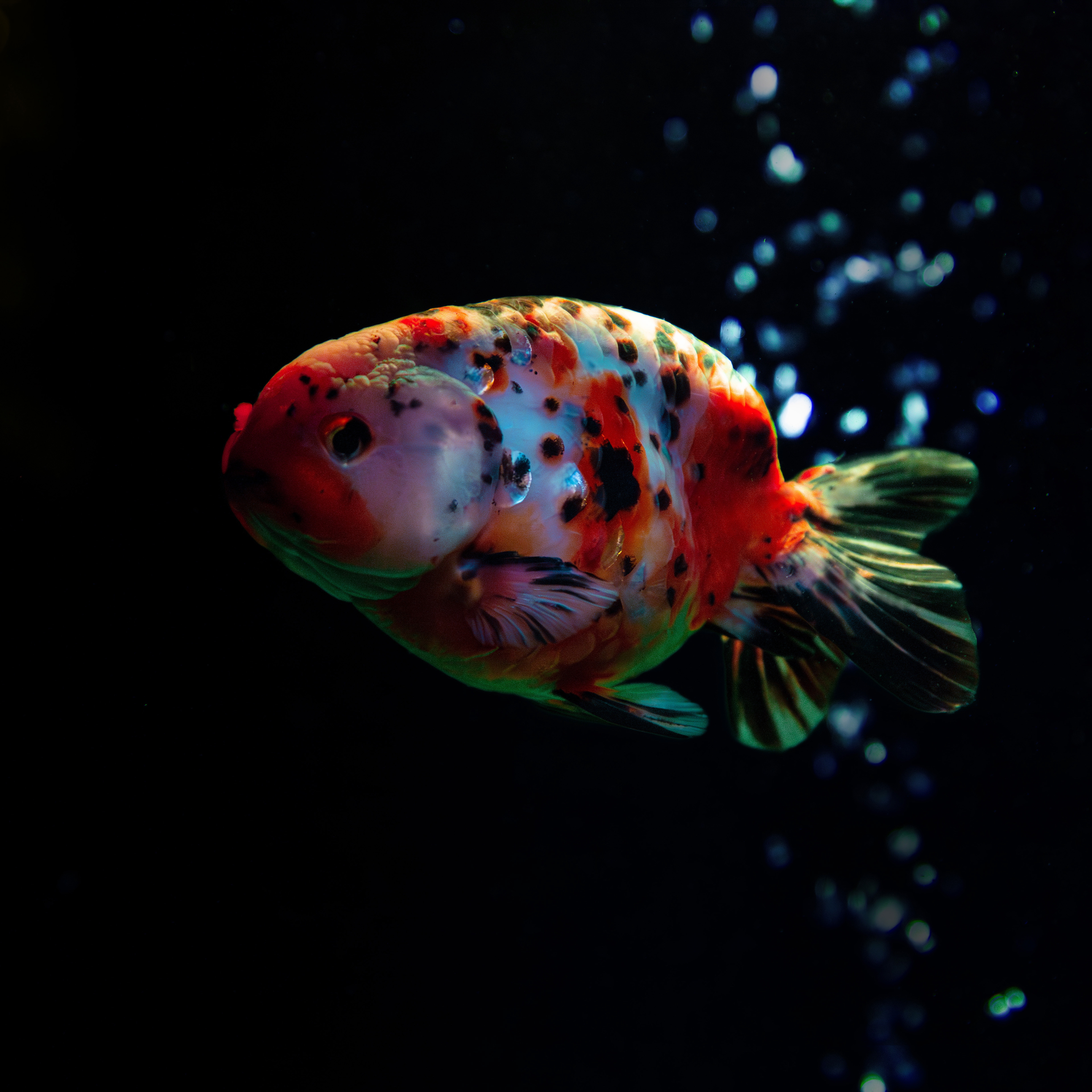
Swimming in Ukiyo-e, Edo's "Playful Heart". The Power of Unfading Design.
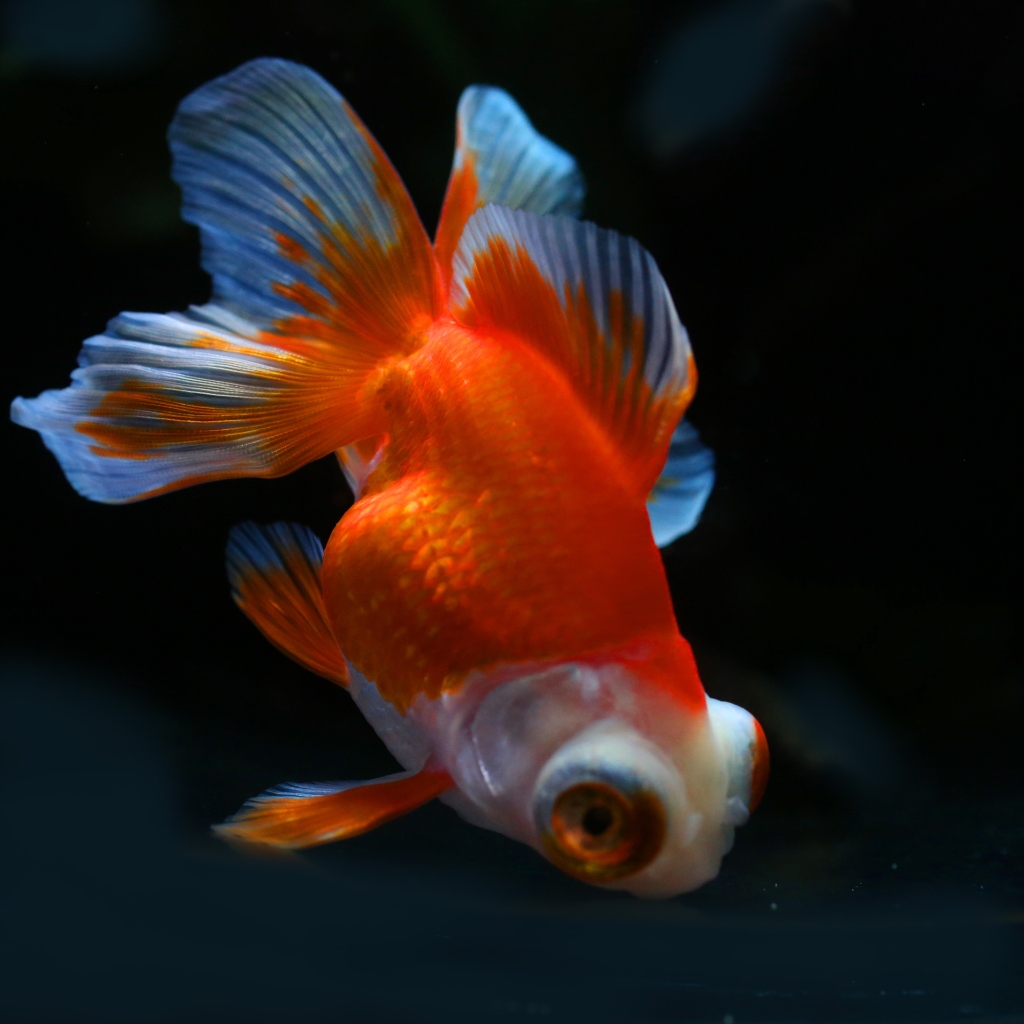
Around the time when goldfish sellers flooded the streets of Edo and goldfish began to blend into the lives of the common people.Even in the art world, goldfish shined as a special existence.Juane * here.Hello.
Today, I would like to talk about what the painters of that time found in the small life of goldfish and how they expressed it.I will talk about the chic playful heart of Edo left in Ukiyo - e.
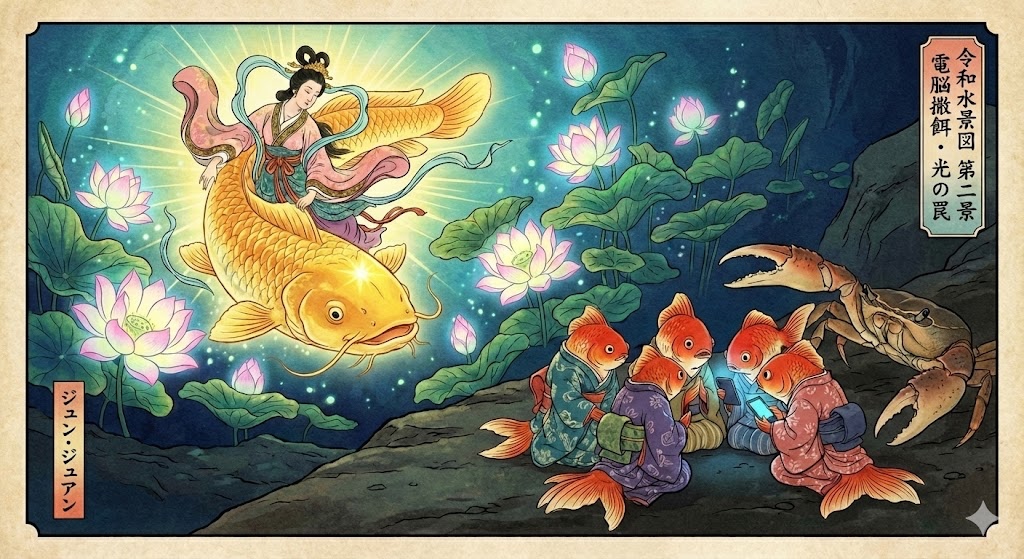
"Kingyo Zukushi" Drawn by Utagawa Kuniyoshi, the Standard - bearer of Anthropomorphism
Utagawa Kuniyoshi, a Ukiyo - e artist who boasted immense popularity in the late Edo period.He left a unique series called "Kingyo Zukushi"(Goldfish Enumeration) which anthropomorphized goldfish.Blowing soap bubbles and playing, holding a lotus leaf umbrella in a panic due to a sudden shower... What is depicted there is "Edo people themselves" borrowing the appearance of fish.
It is said that they satirized the strict control by the Shogunate at that time(Tenpo Reforms) wrapped in a humorous wafer called goldfish, but the expressive way of drawing is full of warm vitality that makes us smile unintentionally even if we see it today.
"Goldfish Pattern" Coloring Life
The popularity of goldfish did not stop at painting.As designs for kimono patterns, fans, and tenugui, goldfish became an indispensable motif for summer fashion.The red figure swimming coolly in the water is the best fashion that visually cools the hot summer of Edo.Wearing goldfish seems to have been a means for Edo children to express the joy of loving the season and "Iki"(chic).
"Gaze" Resonating Beyond the Times
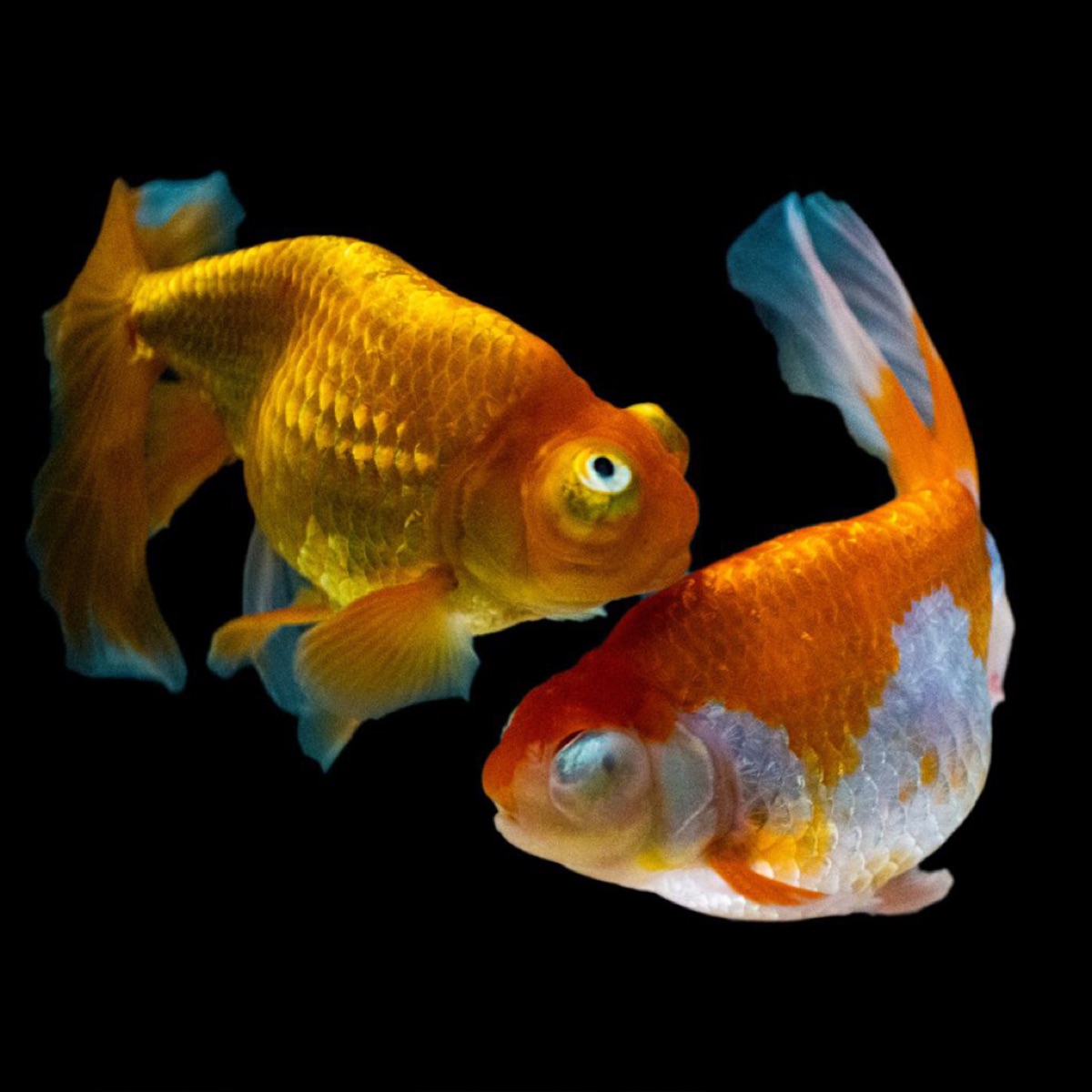
Rather than just viewing goldfish as "objects to be kept", deform their movements and shapes and give them stories to enjoy.I feel that this free imagination that the people of Edo had is a very important perspective that also leads to modern art and photographic expression.
Observe the object deeply and superimpose our emotions and stories there.Isn't it because "familiarity with life" is overflowing there that the goldfish of Ukiyo-e painted hundreds of years ago are still reflected in our eyes in vibrant colors?
Design That Keeps a Moment Forever
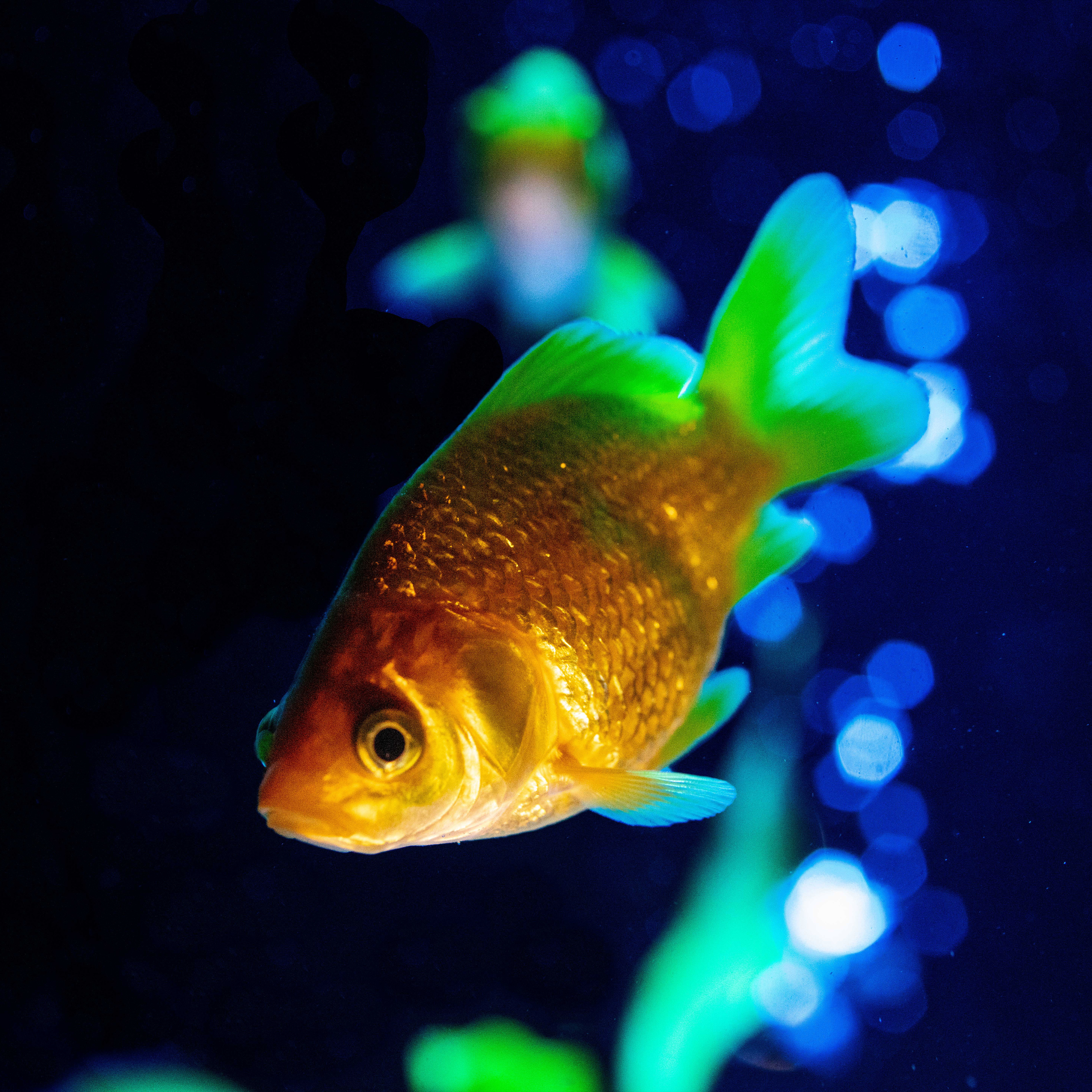
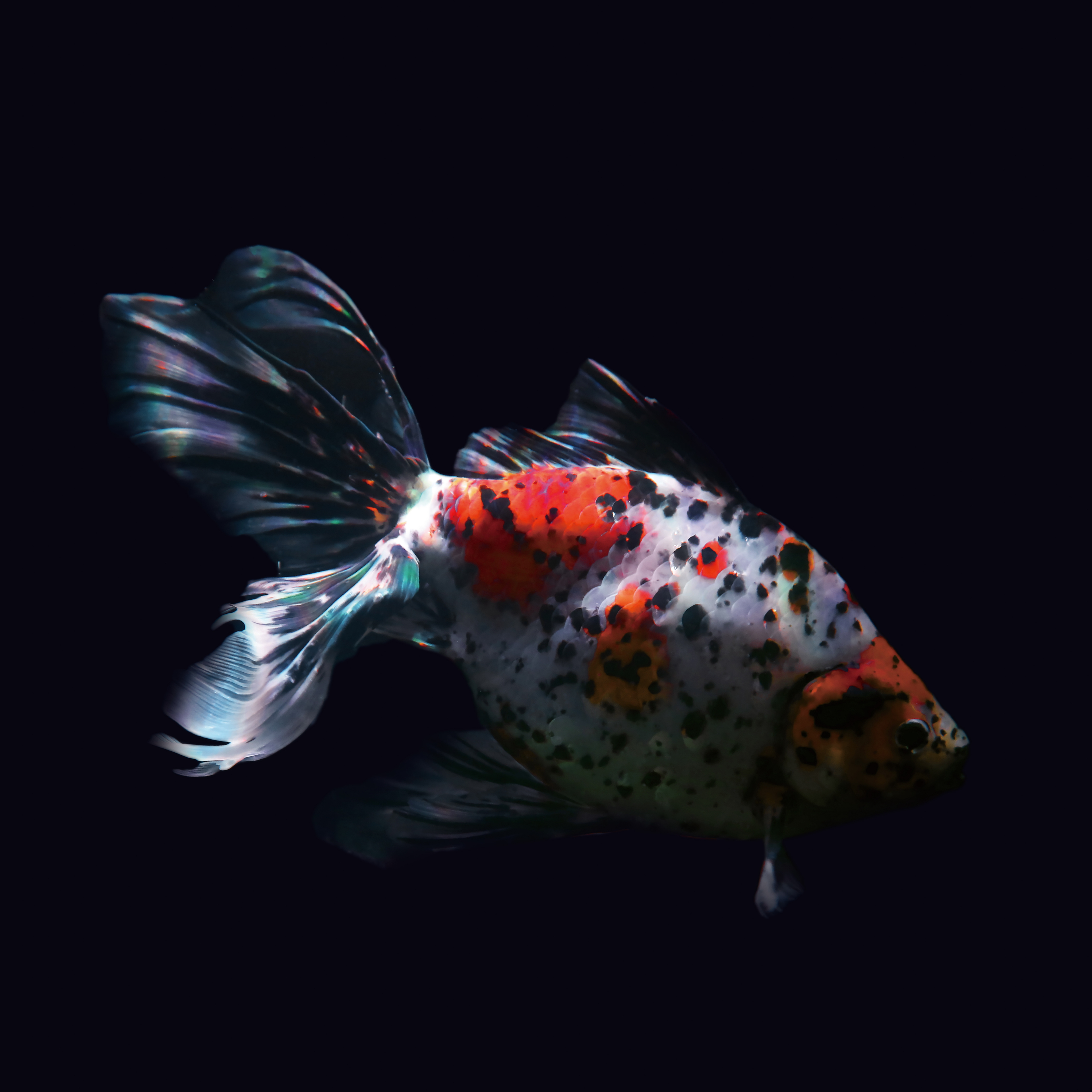
The goldfish depicted in Ukiyo - e are all lively and seem to jump out of the screen at any moment.Even if the times change, the reason why we are attracted to goldfish is surely in this "supple beauty" and the "playful heart" staring at it.
We at Jun * Juane also want to draw out the unique modeling beauty that the life of goldfish has in the modern light, just as the Edo painters did.Old but new.We hope to continue to carefully express the depth of such goldfish culture.
Utagawa Kuniyoshi "Kingyo Zukushi": A series of Ukiyo - e prints published from around 1841(Tenpo 12) to 14. It is known as a masterpiece depicting anthropomorphized aquatic creatures such as frogs and turtles centering on goldfish, and one of the works symbolizing the "goldfish boom" at that time.
Edo Design: As a synonym for summer, goldfish were also widely used in crafts such as indigo - dyed tenugui, yukata patterns, inro and netsuke.It is thought that this had two meanings: the belief that red leads to warding off evil and the cool feeling that calls for coolness.
Tenpo Reforms and Satire: During the period when painting actors and geisha was banned due to the Sumptuary Laws(prohibition of luxury), there is a historical background that painters such as Kuniyoshi projected human figures on goldfish and cats, thereby protecting the enjoyment of the common people while evading censorship.