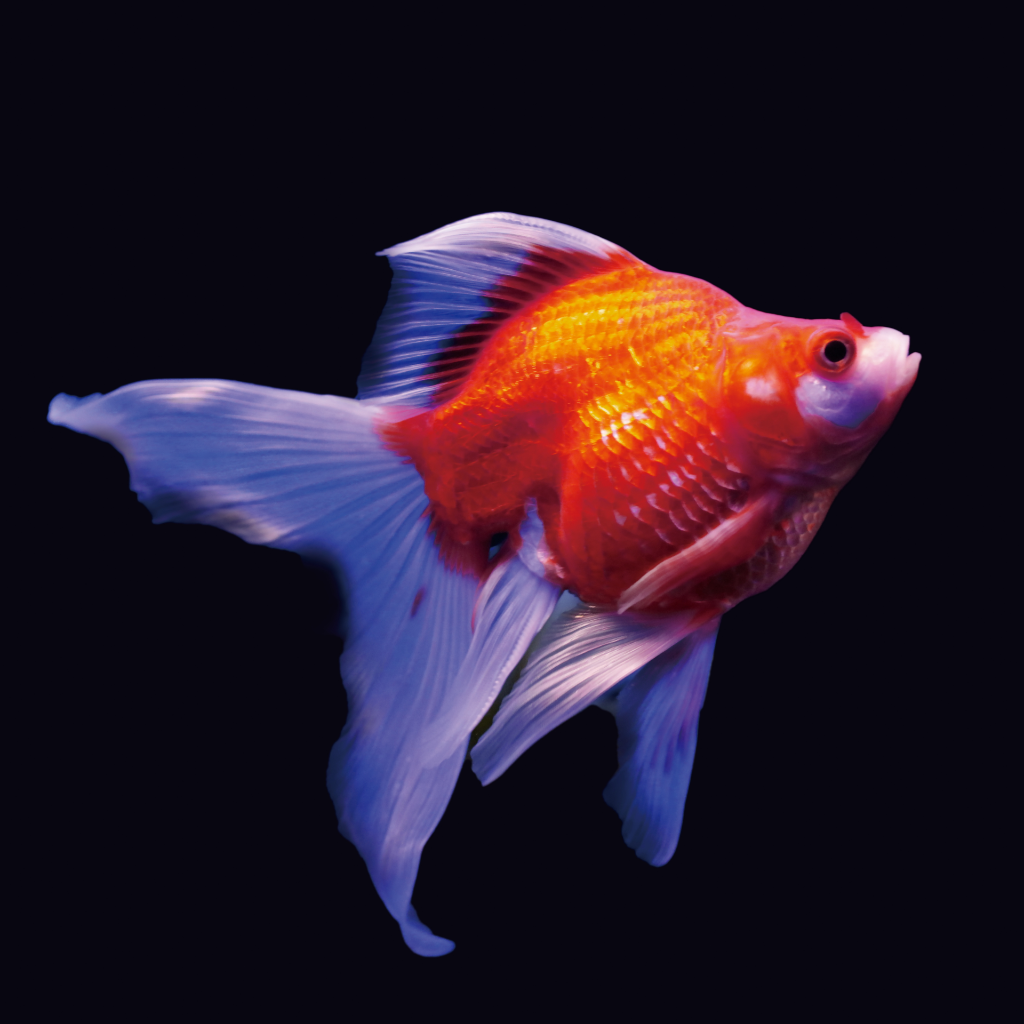
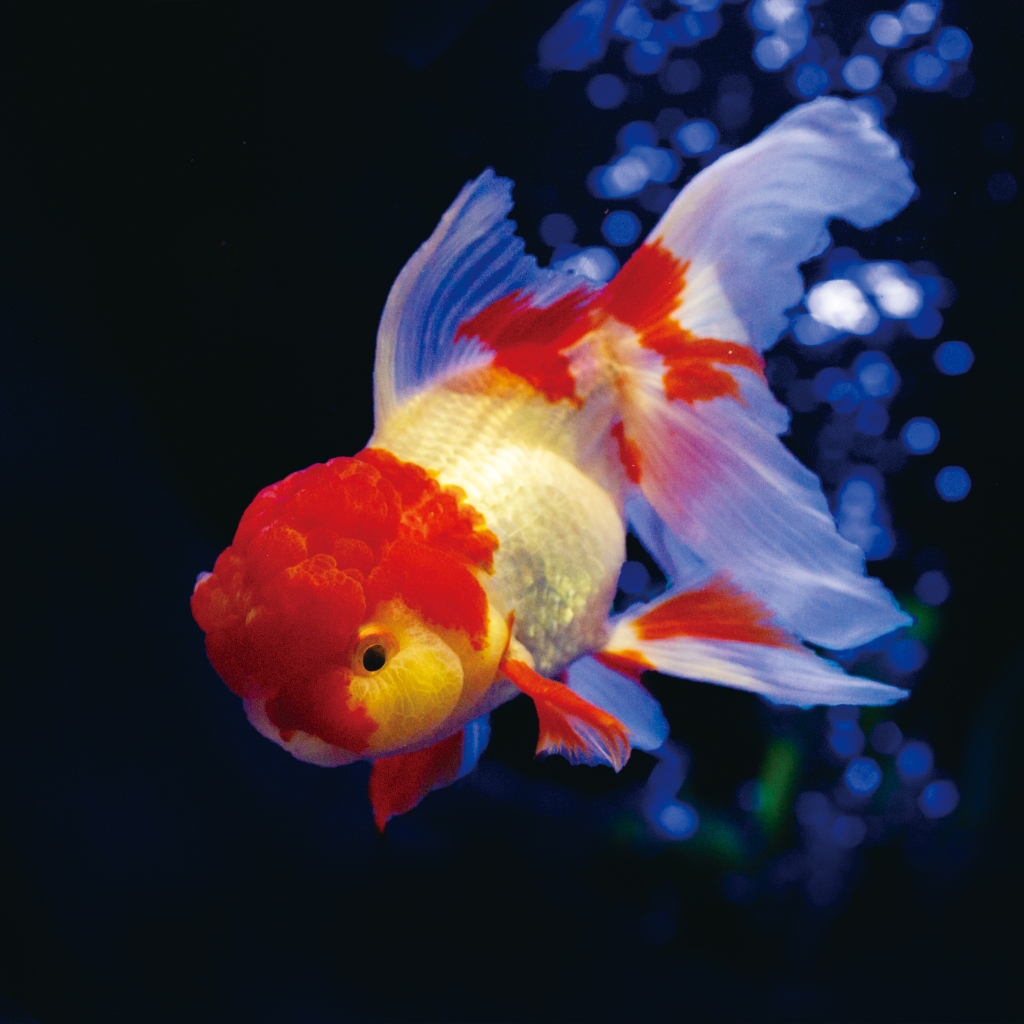
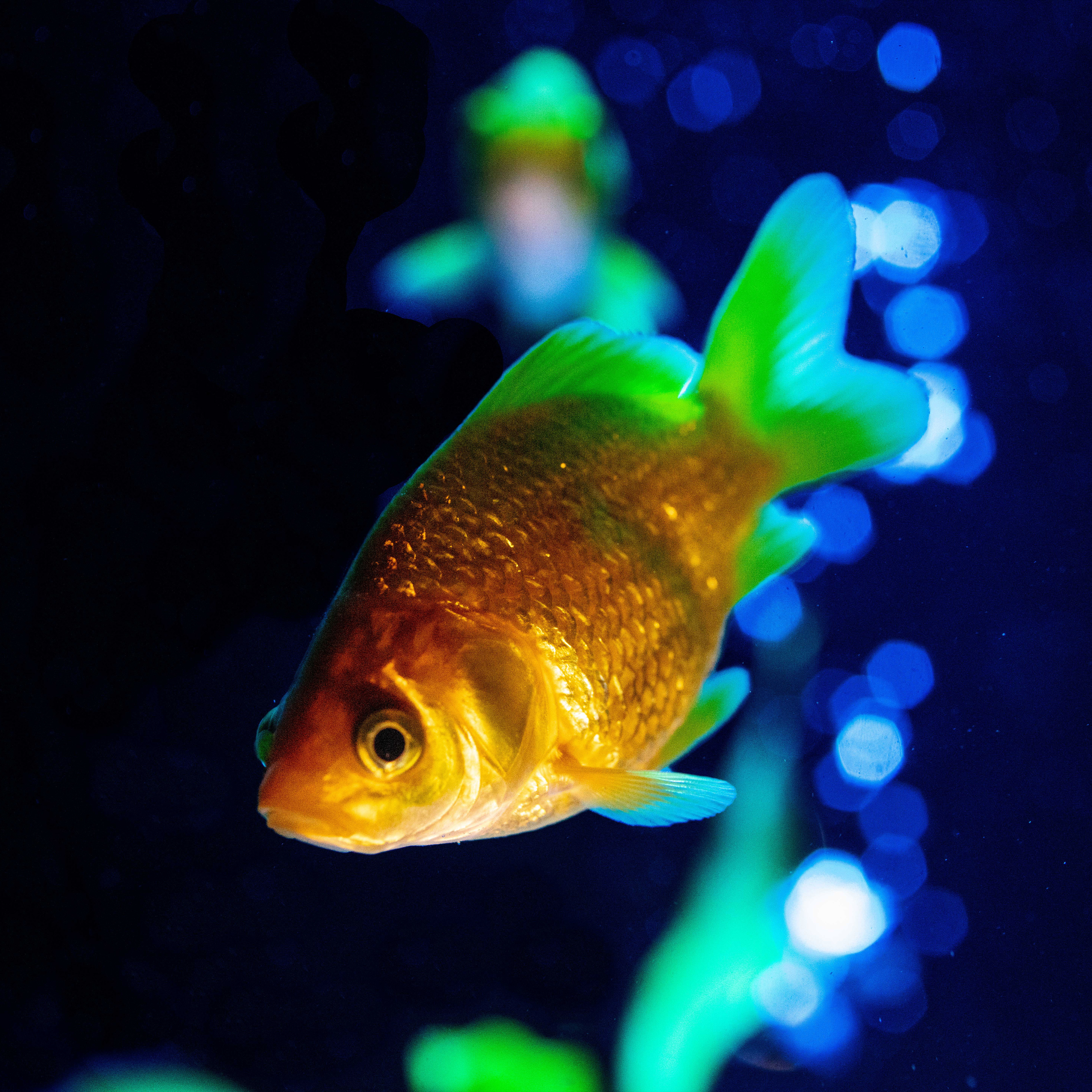
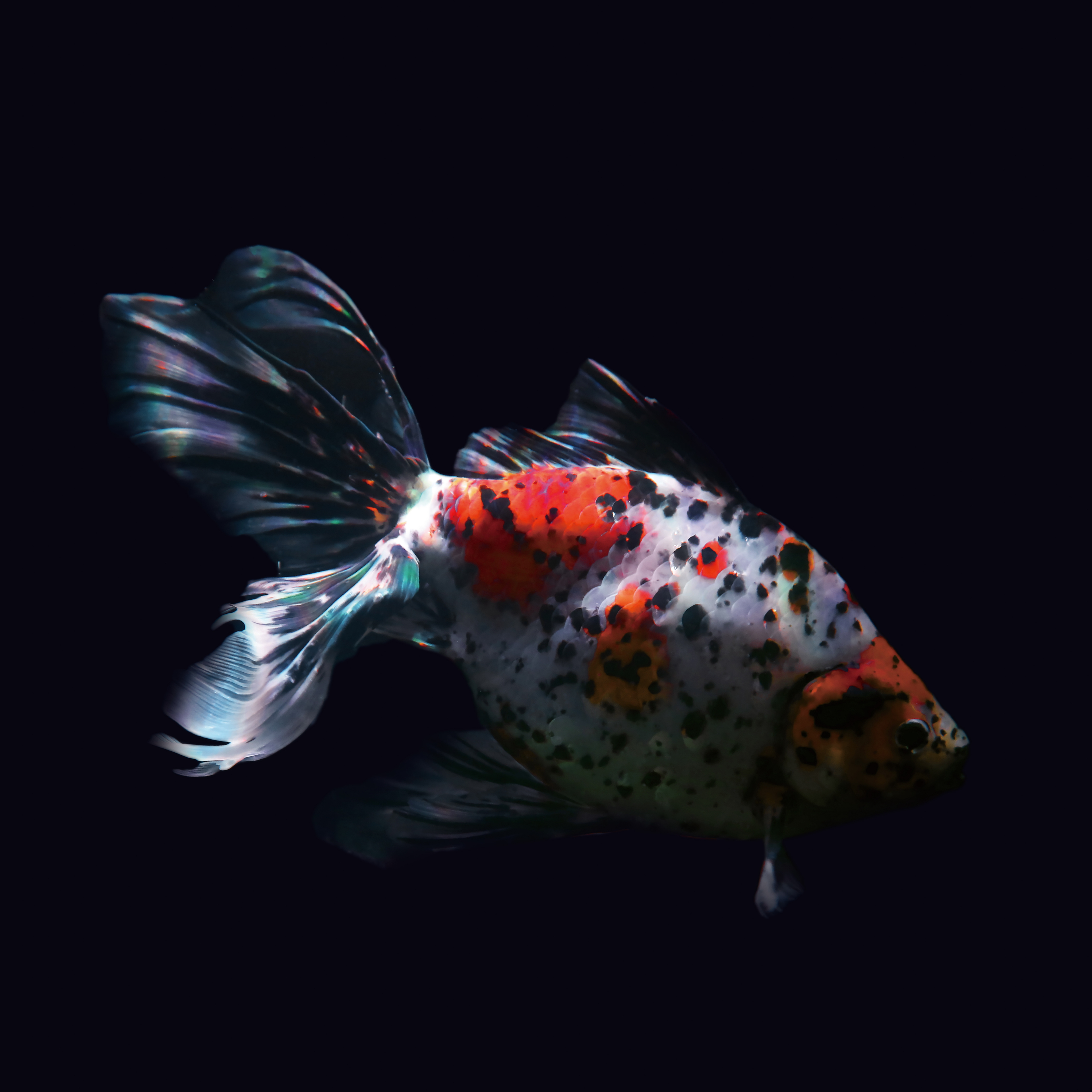
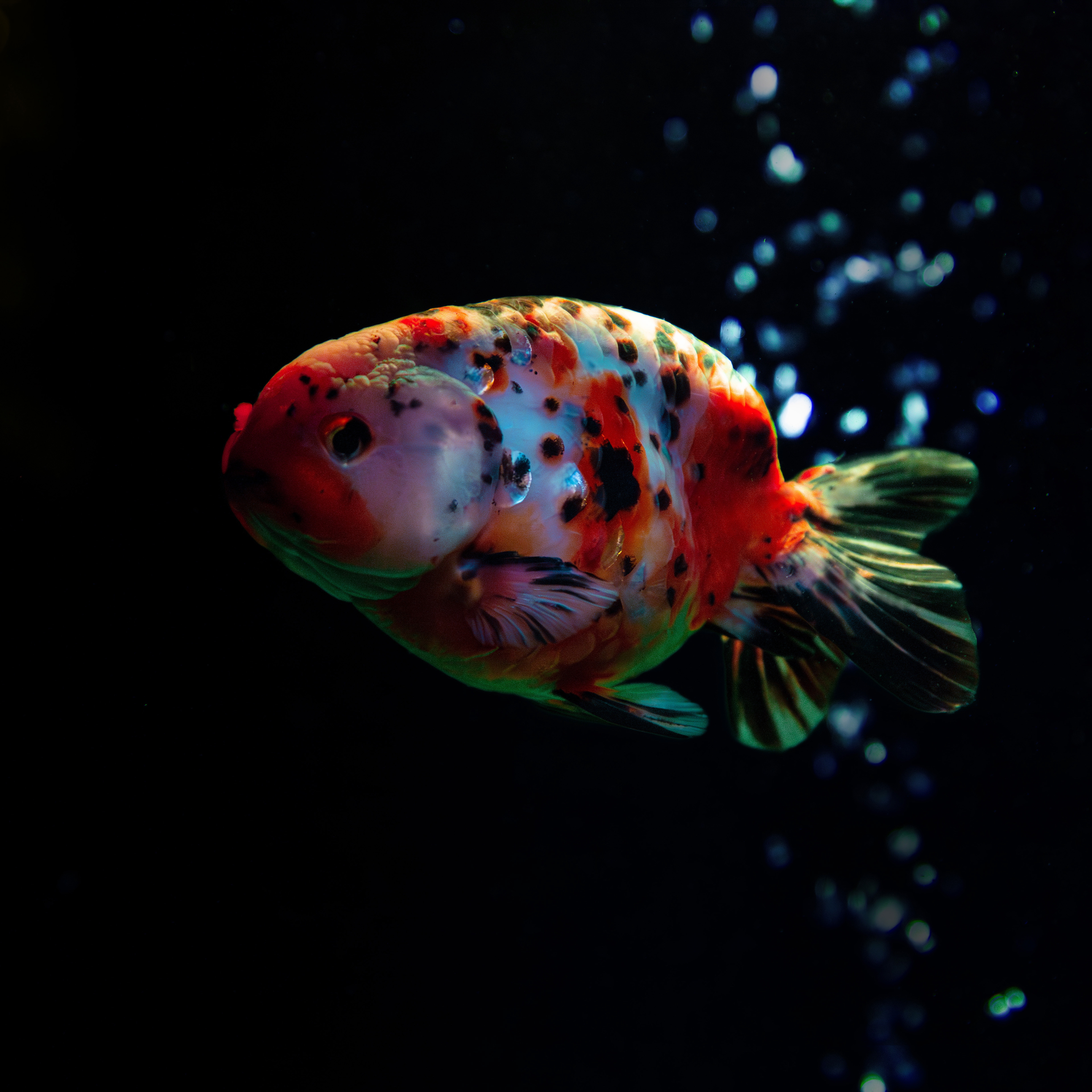
Calico — A Festival of "Diversity" Woven by Mosaic of Five Colors.
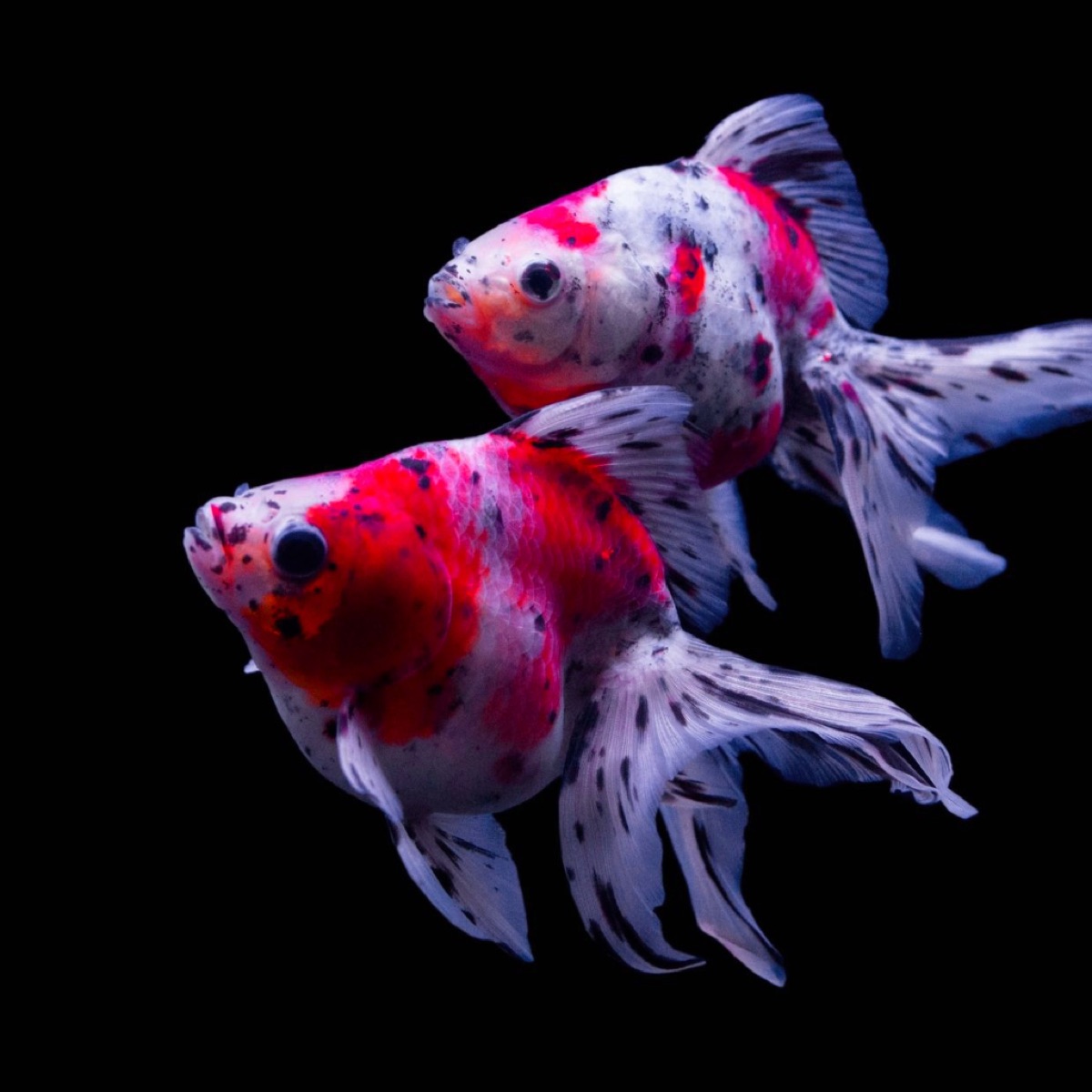
When you hear the word "Calico" in the goldfish world, you feel a somewhat modern and gorgeous sound that goes beyond just the name of a pattern.The colors where red, white, and deep indigo overlap intricately are like "moving Nishiki-e (brocade pictures)" floating in the water. Infinite diversity of life is reflected in the appearance where no two patterns are the same. Hello.
Today, I will talk about the "resonating beauty" of the goldfish "Calico" in the photo, born from the blending of different roots.
"New Color" Born Beyond Boundaries
Calico(Calico Ryukin) was born when the elegant Ryukin and the Demekin with mysterious three colors met.By overlapping different varieties and drawing out the good points of each other, it obtained the brilliance of "five colors" with depth that had never existed in goldfish before.
It is a form of evolution born by accepting new things without staying in one mold.Mixing things with different roots may sometimes be accompanied by anxiety, but looking at the figure of Calico, I feel that it teaches us more than words how rich a world mixing(diversity) creates.
"Valid Depth of Heart" Created by Transparent Scales
Supporting the beauty of Calico is the magic of mosaic transparent scales, where glittering scales and "transparent scales" that let light through are mixed.Through the transparent scales, indigo and pale blue (Asagi - iro) inside the body ooze out and overlap with vivid red and black on the surface.
The depth created by this "layer" makes you feel the depth of life that cannot be understood just by looking at it for a moment.We tend to judge things only by superficial colors.However, staring at the complex colors of Calico, I realize that true individuality is born only when what is inside and what is outside resonate with each other.
Pride that Each One is "One and Only"
There is no "perfect correct pattern" in Calico.A child with a lot of red, a child with deep indigo sinking, a child with scattered black ink.Any of them is correct, and any of them has irreplaceable beauty.Instead of comparing with others and ranking them, think about how to combine the colors you have and swim like yourself.each one of Calico's patterns feels like a blessing from life saying "You are wonderful as you are".
Symphony of Colors Resonating at the Water Bottom
When Calico swims in the tank, a symphony of colors flows there.Disparate colors harmonize as one "beauty" on the body of one fish.We also want to carefully capture this overlapping of complex and lovely colors up to that momentary flash.New light born by mixing and resonating various colors.I would like to continue to share the "festival of diversity" named Calico with everyone.
Establishment of Variety : In 1892(Meiji 25), it was created by the first Kichigoro Akiyama by crossing Ryukin and Sanshoku Demekin(Calico Demekin).It is a very important variety that became the root of many "three-color (calico) type" goldfish such as Edo Nishiki and Azuma Nishiki.
Etymology of "Calico" : Originally, it is said that an American goldfish enthusiast named it because it resembled the pattern of cotton fabric called Sarasa(Calico weave) in the UK.This name was re - imported to Japan and became established.
Structure of Mosaic Transparent Scales : It is a genetic feature in which ordinary scales(scales with a silver reflective layer) and transparent scales(scales without a reflective layer) coexist in a mosaic pattern.In the transparent scale part, the color of tissues and blood inside the body is transparent, and "blue (indigo)" becomes visible due to the Tyndall phenomenon.Since the arrangement of these scales differs for each individual, a unique pattern that is unique in the world is born.