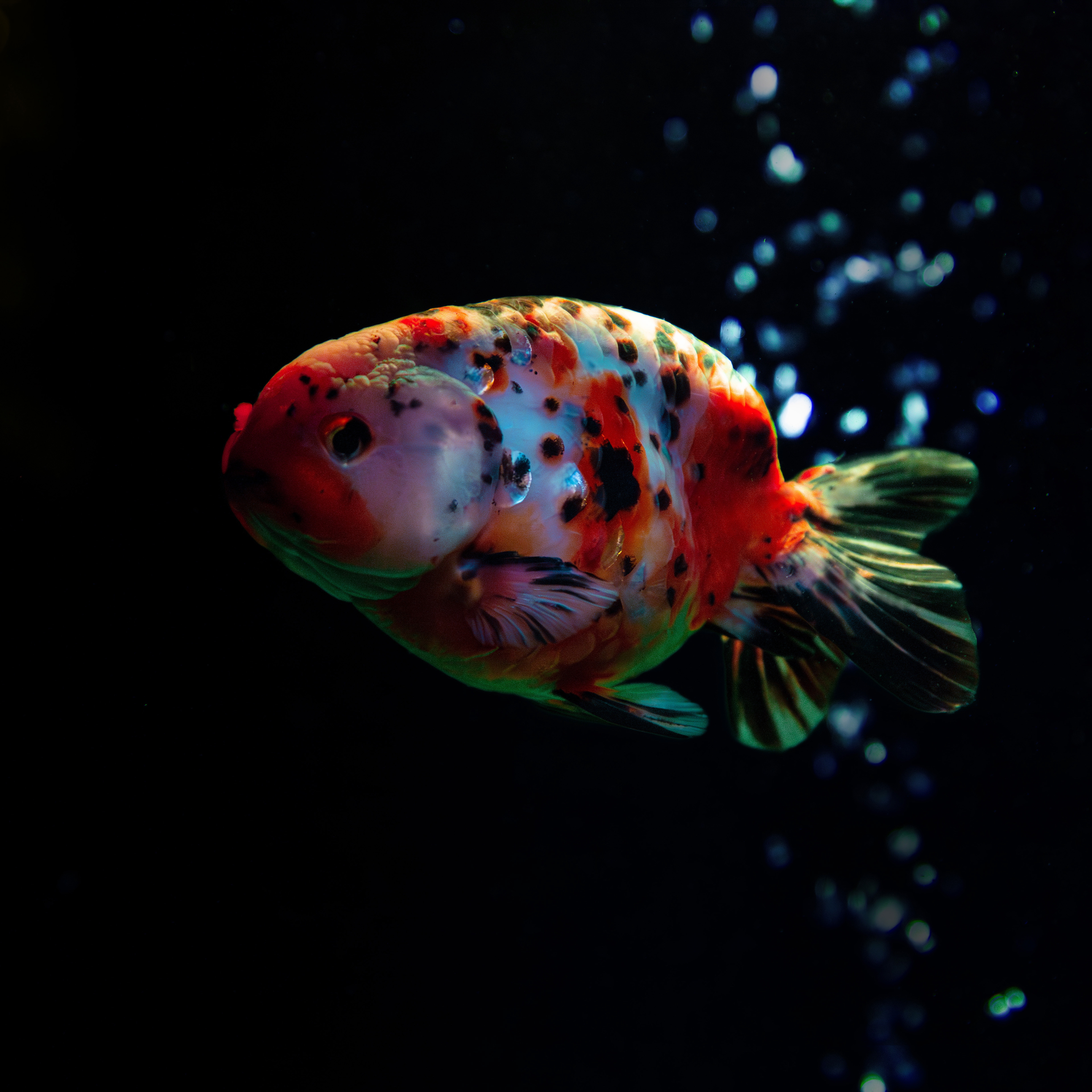
Raising Your Own Scenery in a Bowl. The Story of 'Vessels' Coloring Goldfish
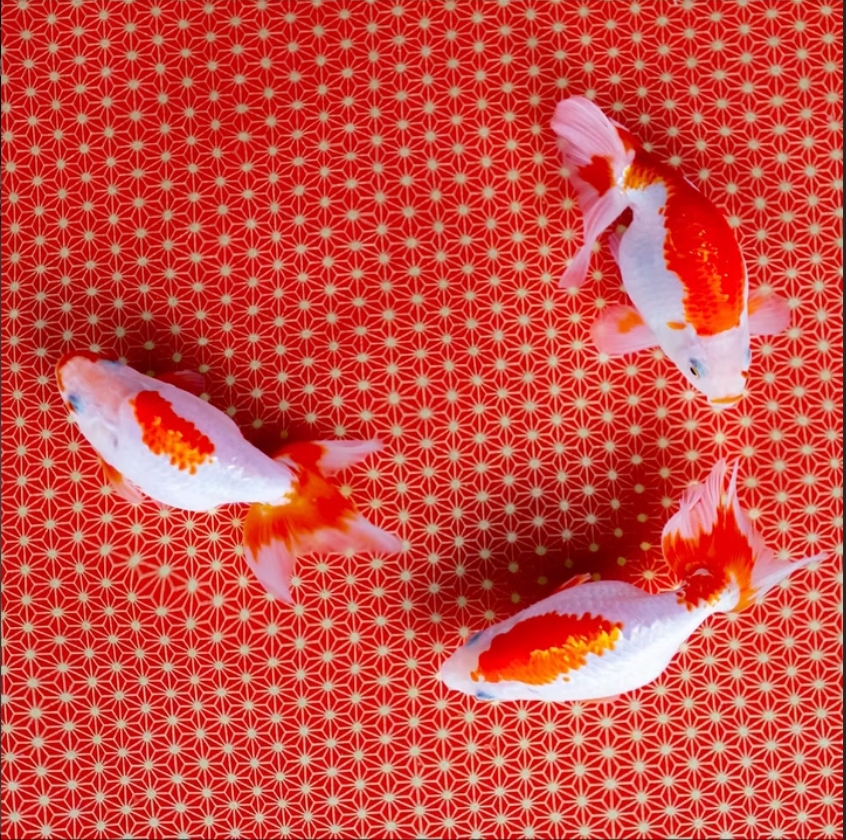
The act of admiring goldfish begins with choosing and arranging the "vessel" that accepts that small life.For the people who were enthusiastic about goldfish in the houses of Edo, the bowl was not just a breeding container.It was, so to speak, a completed "frame" to show the moving life of goldfish most beautifully.
The Aesthetics of "Uwami"(Top View)
The mainstream of goldfish appreciation at that time was "top view (Uwami)" viewing from above the water surface.Unlike today, where we view from the side through glass, how the color of the bottom of the vessel and the texture of the material highlighted the red of the goldfish was cherished more than anything else.
"Coolness" Woven by Wooden Buckets and Sudare
For example, the "wooden bucket" loved by many households was a warm tool that snuggled up to goldfish as living creatures.The bark of cedar and cypress was also a wisdom to keep the water temperature gentle and protect the health of goldfish.Samurai hung "sudare"(reed screens) they wove themselves on the bucket to block the sunlight.How cool and pleasant the scenery must have been with the overlap of the shadow of the sudare falling on the water surface and the red shadow crossing slowly under it at that time.
Lacquer and White Porcelain.Production of Contrasting Beauty
On the other hand, when moving the place of appreciation to the tatami room, the vessel changes its appearance to "lacquerware" or "ceramics" and becomes more sophisticated.If you release a goldfish into a deep and glossy jet - black vessel, the red of life floats in the darkness, creating a fantastic atmosphere as if reflecting the light of a lantern.Also, in a bowl with blue painting on white porcelain, the transparency of the water stood out even more, and the goldfish was reflected in people's eyes as a cool breeze itself.
"Ideal Scenery" Found Inside the Bowl
They might have been trying to reproduce the "ideal scenery" that only they could feel comfortable with in the limited space called a bowl.The arrangement of pebbles sunk in the bottom of the vessel, the swaying of water plants floating on the water surface.It somewhat overlaps with the activity of us in modern times adjusting light and shadow through the viewfinder and searching for the moment when the goldfish looks most beautiful.
Goldfish complete their beauty only after obtaining a vessel. "A moment of cool" that someone hundreds of years ago found in the bowl at hand.That perspective is quietly breathing in our works and in the daily lives of people who love goldfish even now.
Yoshiyuki Adachi "Kingyo Yogan So"(1748): Japan's oldest breeding book describing the commitment to tools at that time, such as how to choose a bowl to protect the health of goldfish and the difference in water quality depending on the material.
Morisada Kitagawa "Morisada Manko"(19th century): An encyclopedia of customs in the Edo period.The structure of the buckets carried by goldfish sellers and the shapes of goldfish bowls used in households remain in precise illustrations.
Katsumi Suzuki "Goldfish and Japanese"(Kodansha Academic Library, 2019): To wooden buckets, ceramics, lacquerware, and glass.A cultural history tracing the transition of "vessels for appreciation" that changed with changes in the Japanese lifestyle.