[Scenery with Goldfish] Vol.1: Eaves of Row Houses, Sharing Coolness
Edo's row houses were places where people lived crowded together separated by a single thin wall. In those not-so-spacious dwellings, how did people enjoy the seasons and find peace of mind? One of the answers lay in the small "wooden buckets" placed at the eaves.
"Shared Beauty" Placed on the Boundary Line
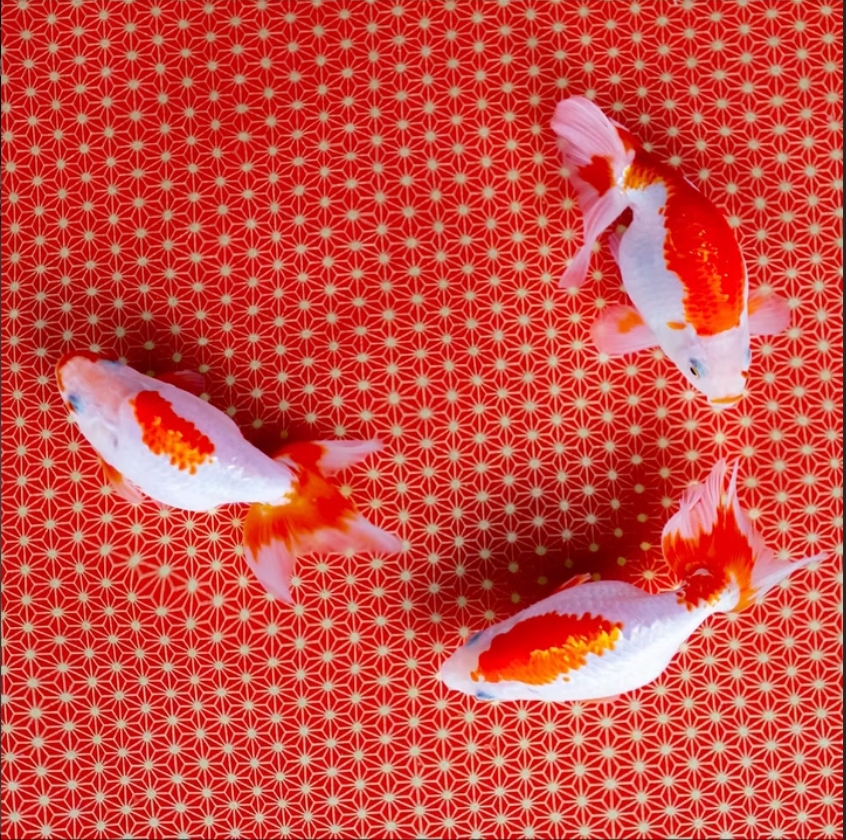
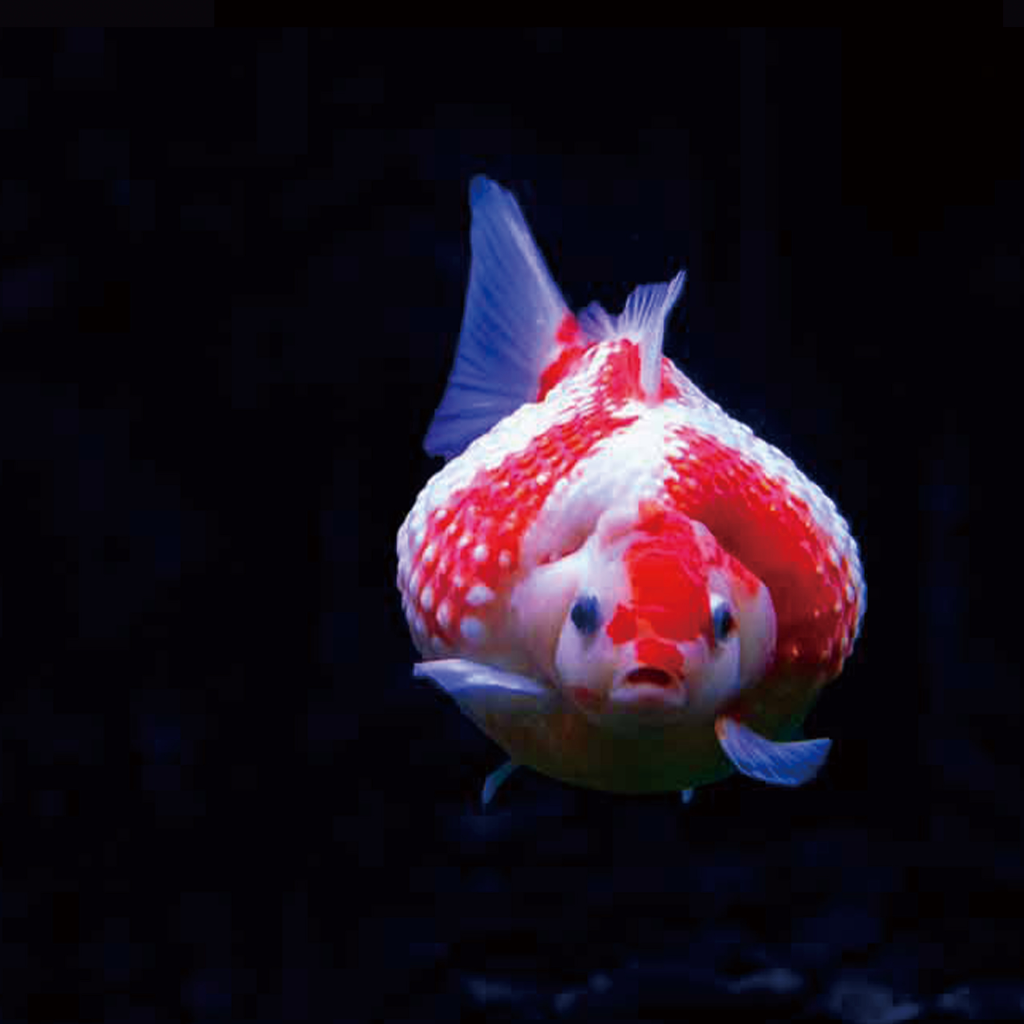
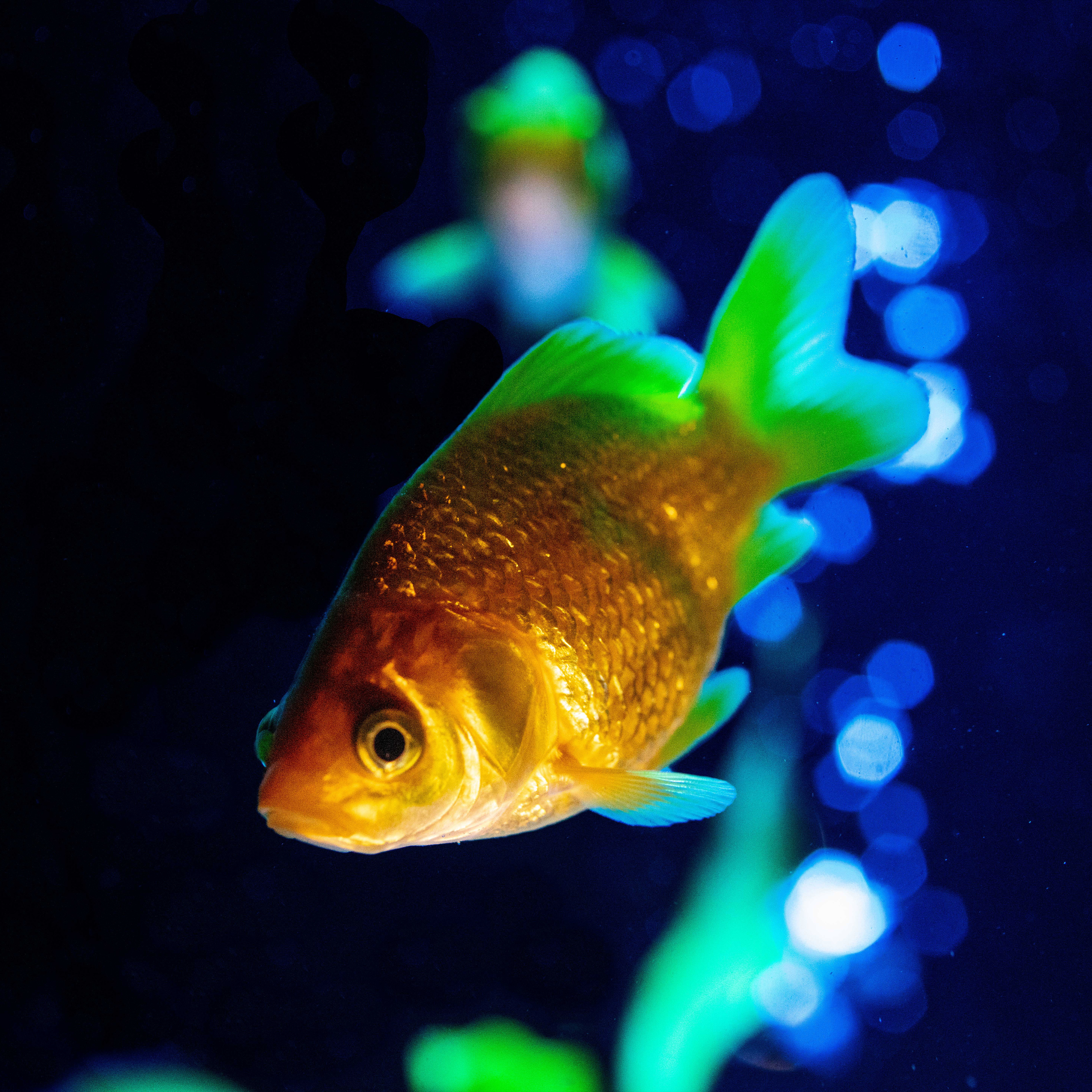
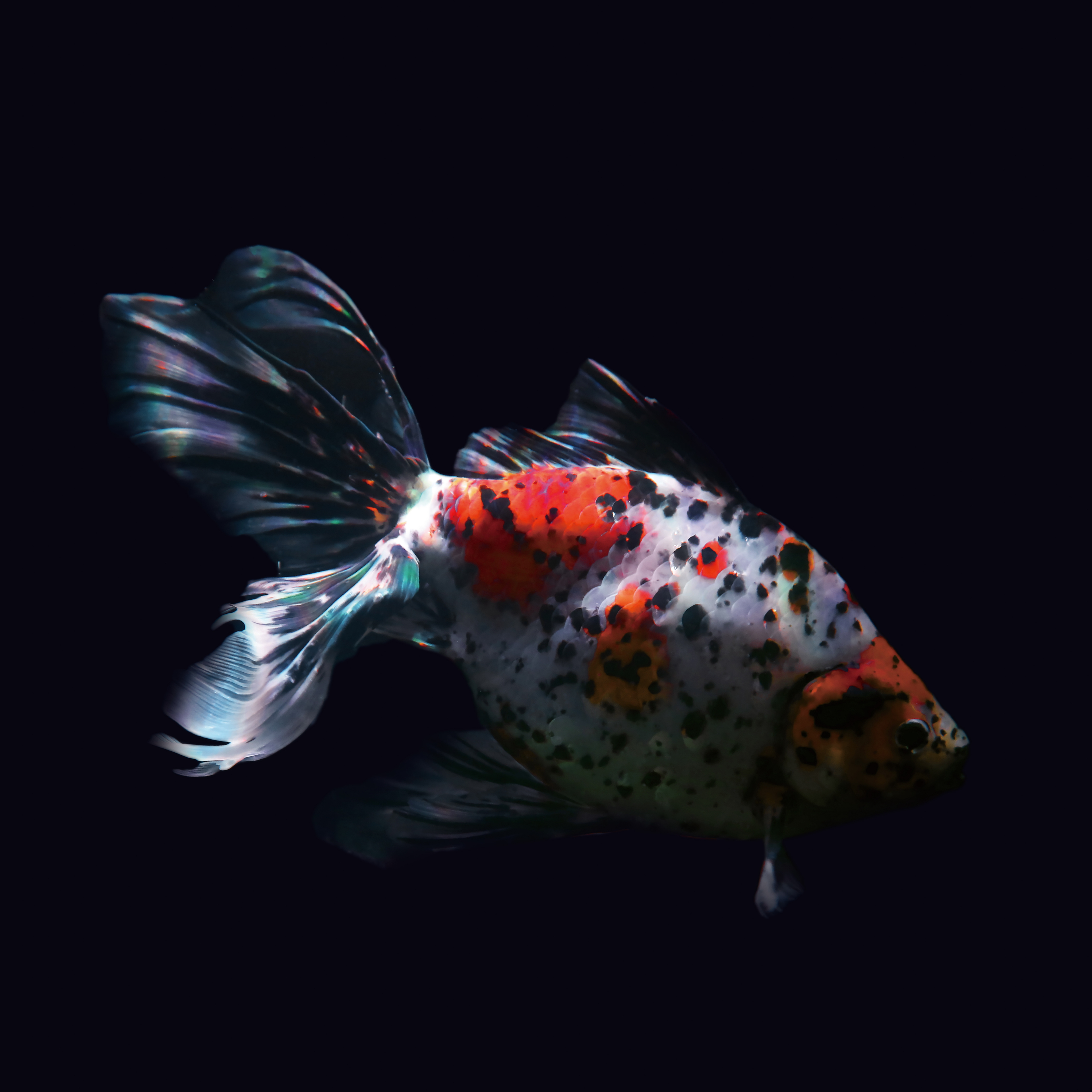
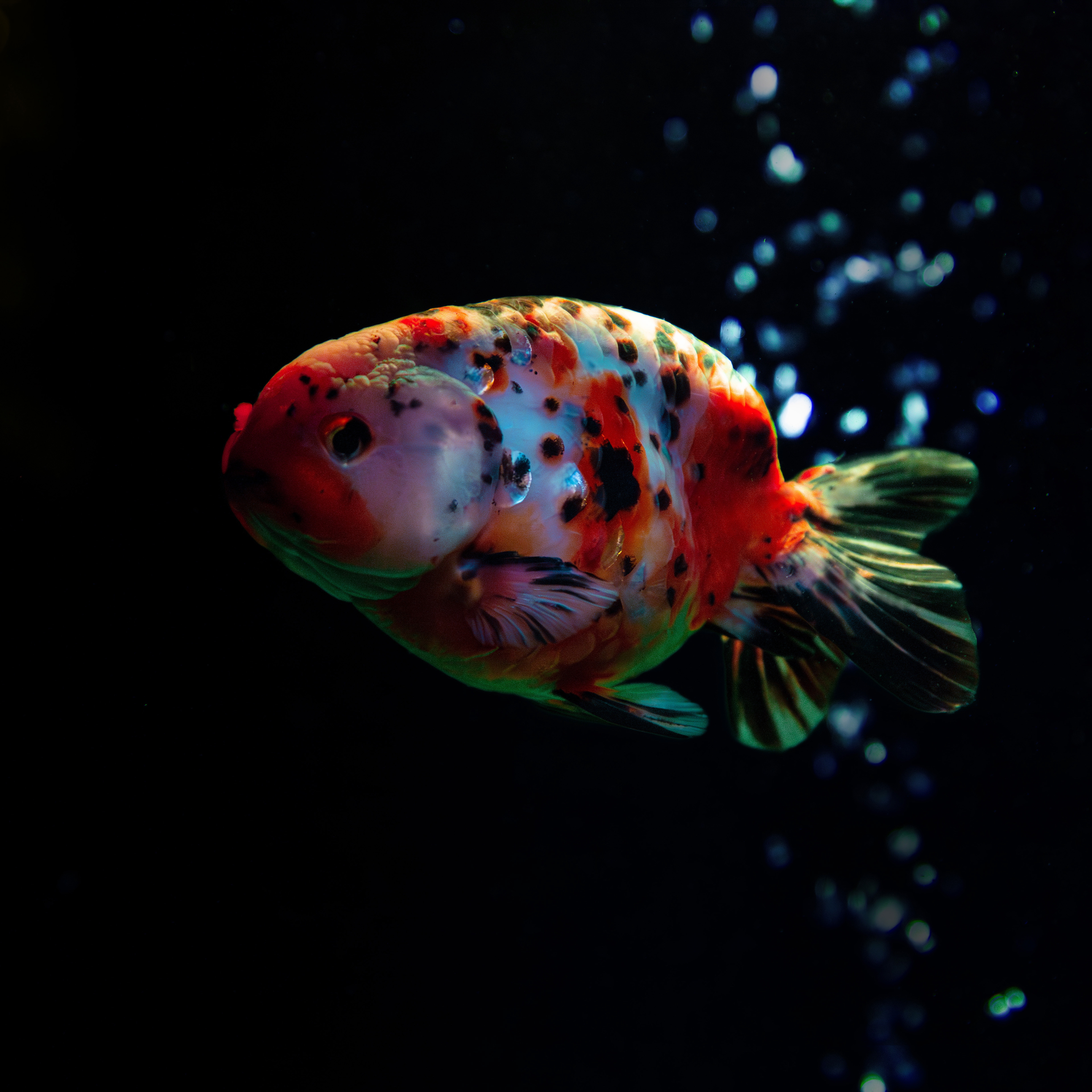
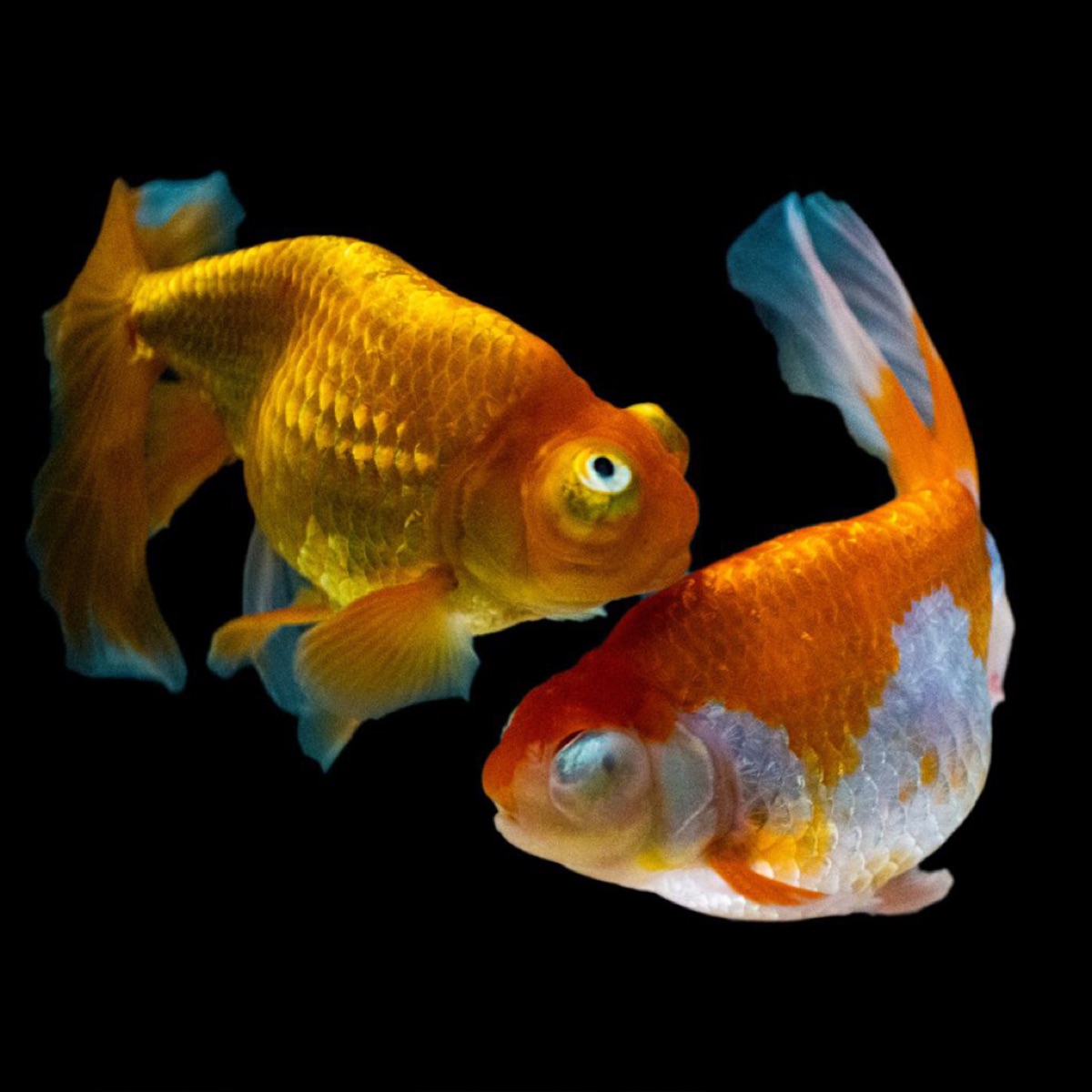
If you walked along the streets of row houses at that time, you could find buckets and tubs filled with water in front of houses here and there.There, you can see the figure of red goldfish swaying their tails.Instead of locking them inside the house and admiring them alone, placing them on the "boundary line" visible to passersby.That was the chic arrangement of Edo people.
In the afternoon when the strong summer sun shines down.Sunlight filtering through trees falls on the water surface through the gap of the handmade "sudare" hung on the bucket.Someone passing by stops and gazes at the cool swaying, saying "That's a nice color." Goldfish were like small and reliable goodwill ambassadors who connected conversations between strangers and shared "coolness" with the whole town.
Cherishing the Richness in the Palm of the Hand
Even without luxurious tools, water drawn from the roadside in a worn - out wooden pail.What is there is a dignified spirit of cherishing the small life in front of you and trying to color your daily life, even in a limited life.Even if it was not a perfect life, they lived sharing the joy of each moment with neighbors or small creatures... Such a warm texture is transmitted from the scenery of the eaves of the row houses.
When we, Jun * Juane, want to deliver "a moment of light" through our works.At the root of it, perhaps the same modest and rich "prayer" flows as that moment when someone stopped at a street corner in Edo.
Morisada Kitagawa "Morisada Manko"(19th century): The structure of Edo row houses, daily tools placed at the eaves, and the appearance of buckets hung on the goldfish seller's yoke are recorded in detail.
Katsumi Suzuki "Goldfish and Japanese"(Kodansha Academic Library, 2019): A cultural history tracing the process of goldfish spreading from luxury goods to the enjoyment of common people and penetrating into public spaces called eaves of row houses.
Ukiyo - e such as Hiroshige Utagawa's "One Hundred Famous Views of Edo": Visual materials capturing the appearance of goldfish bowls naturally blending into the street corners of Edo and people's lives at that time.