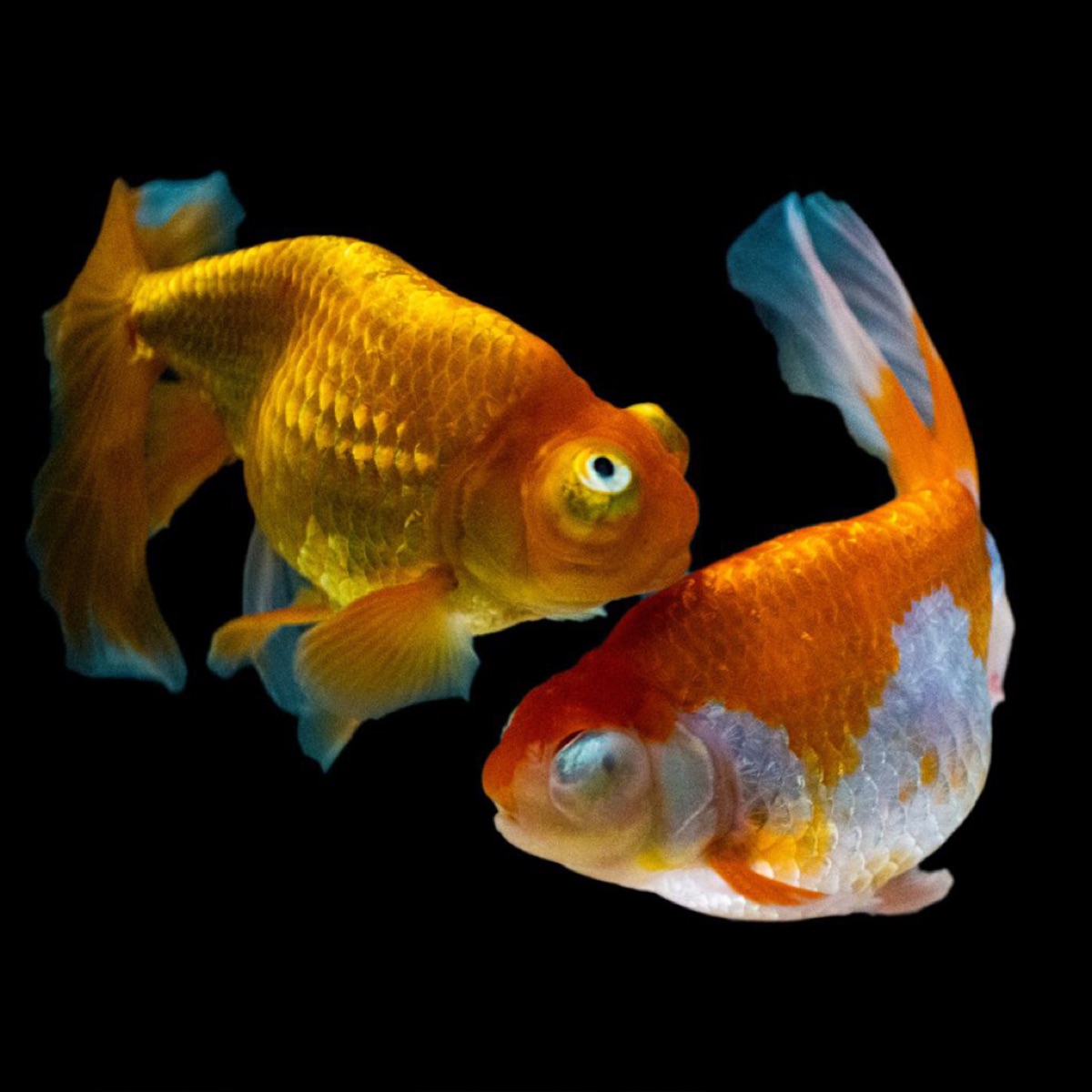
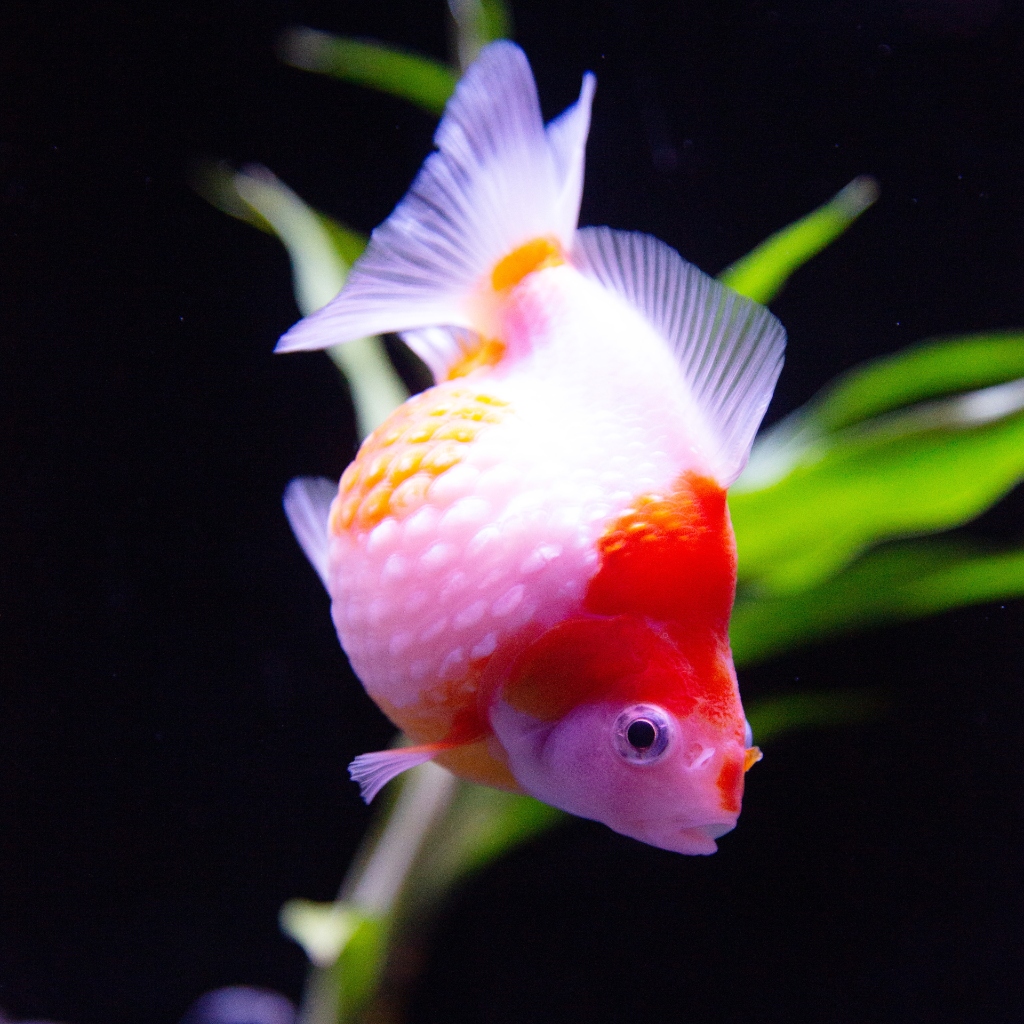
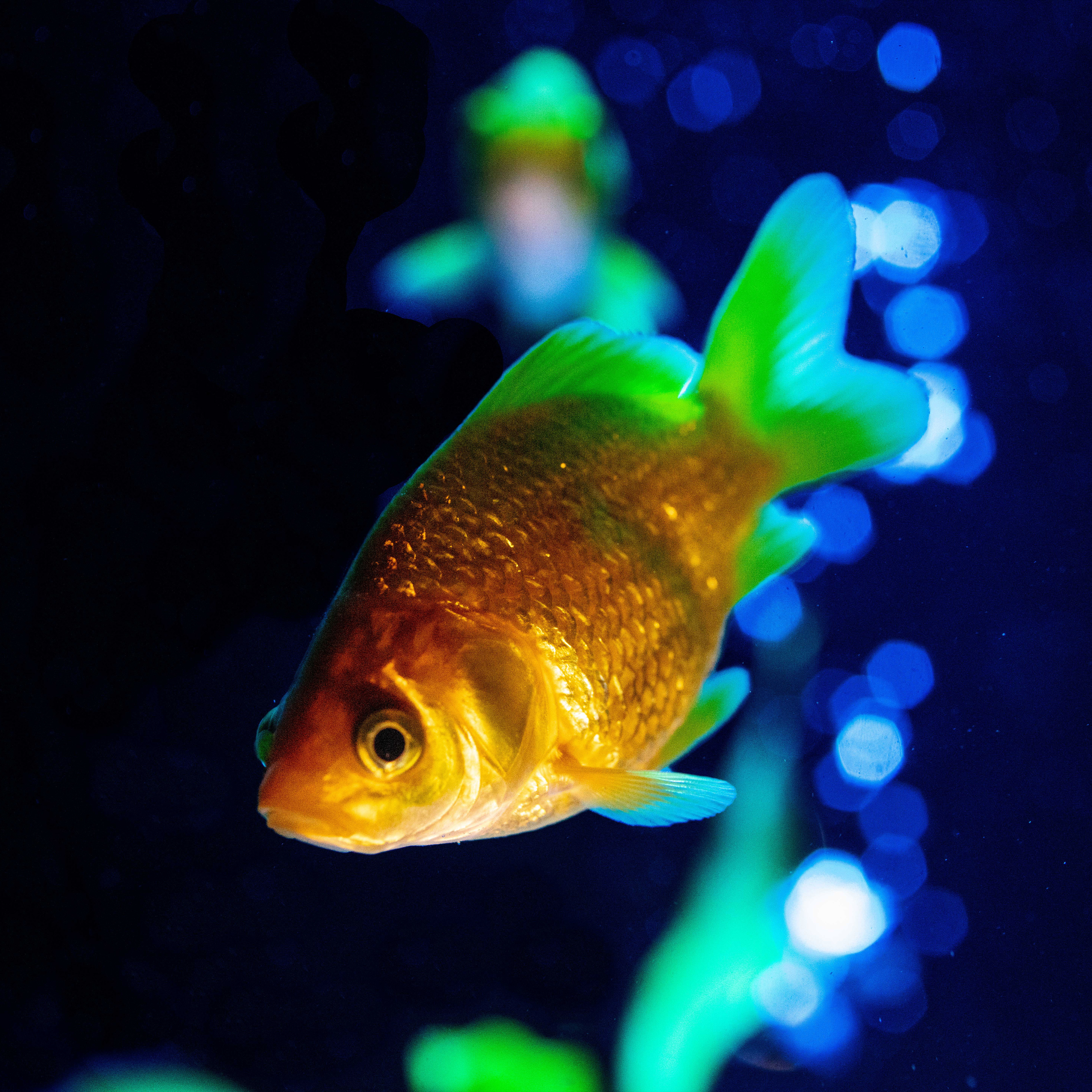
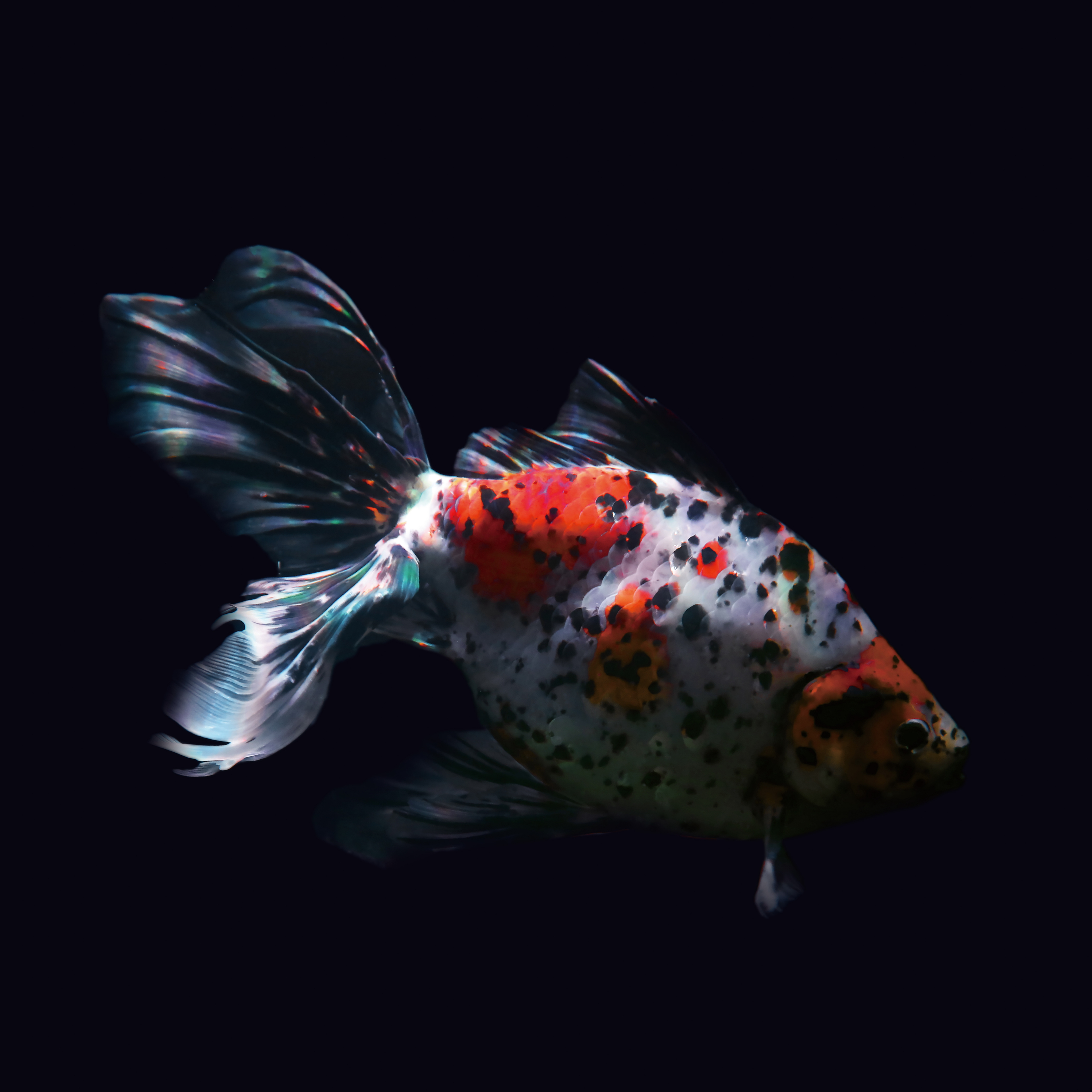
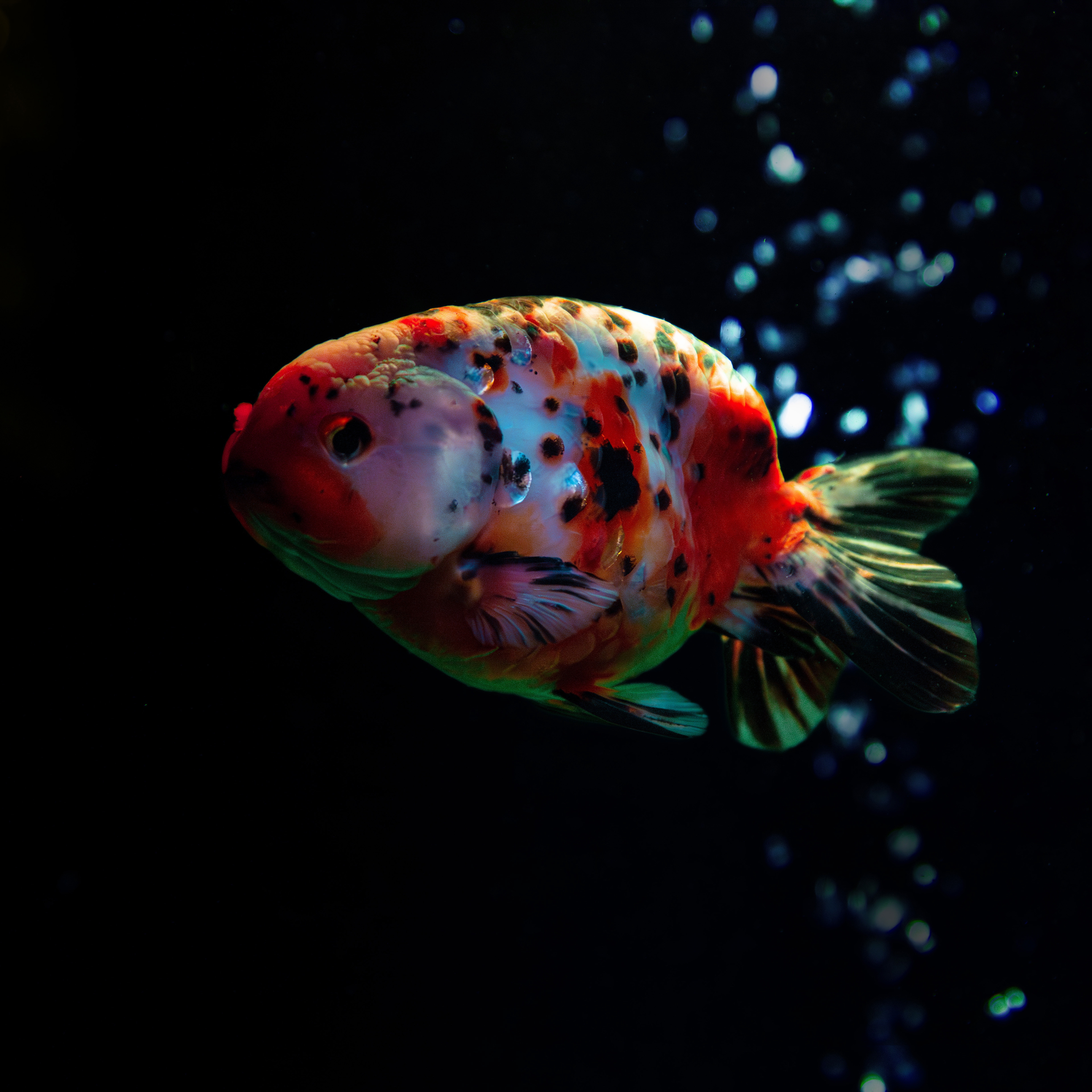
[Scenery with Goldfish] Vol.2: Dignity of Merchant Houses, Colors to Welcome Guests
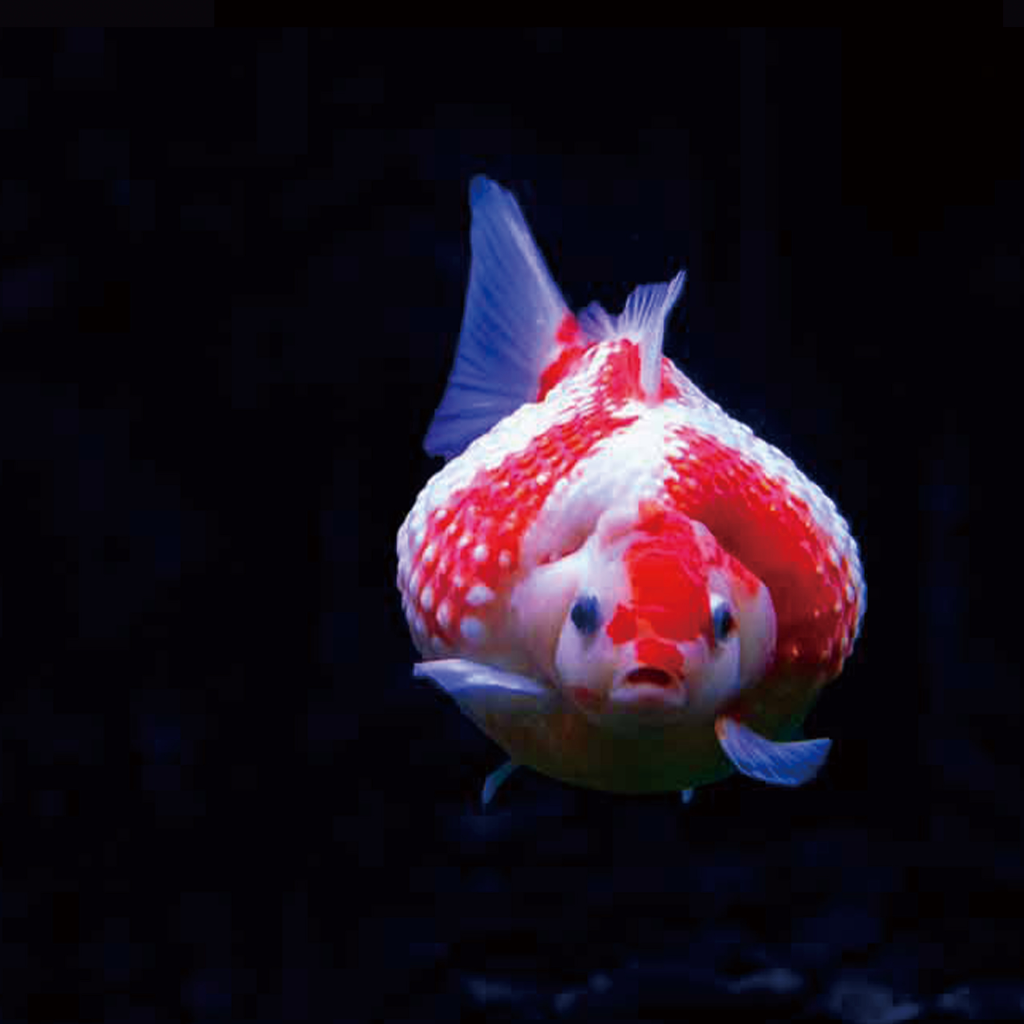
Walking through the lively streets of Edo, you might catch a glimpse of a vessel with a solid presence placed behind the noren curtain.It was a "goldfish bowl" demonstrating the pride of a merchant house, distinct from the wooden buckets of row houses.
"Dignity" and "Luck" Added to the Place of Business
For merchant houses, goldfish had a meaning beyond just ornamental fish.Since the Chinese word for "goldfish"(Jīnyú) has the same pronunciation as "surplus gold" (Jīnyú), it has been cherished as a lucky charm that brings financial luck since ancient times.
Beautiful Imari bowls with blue paintings placed in the dim dirt floor of the storefront, and substantial Shigaraki jars.The goldfish swaying their tails gracefully inside exuded a "dignity" that straightened the atmosphere of the business place.At the feet of the busy apprentices and clerks, only that corner is quietly calm.The silence created by the goldfish was the best hospitality for visiting guests.
The Heart of "Hospitality" Reflected on the Water Bottom
In the heat of midsummer, a guest visiting for business negotiation suddenly looks down at his feet.There is a white porcelain bowl highlighting the transparency of the water and a red shadow swimming coolly.Before exchanging words, first, let them enjoy that "coolness" with their eyes.That delicate consideration might be close to the feeling of decorating flowers at the entrance for us today.
Goldfish swimming in a prestigious vessel were also a device that quietly told the master's aesthetic eye and the sincerity of the house. Not too gaudy, yet carefully maintained. The heart thinking of the guest dwelt even in each of the white pebbles sunk in the bottom of the vessel.
When we, Jun * Juane, want to deliver "silence" and "dignity" through a single photograph.I feel that the source of that inspiration lies in such a dignified aesthetic sense that flowed in the business of Edo.
Nobuyuki Yoshida "Kingyo Shunju Bunkashi"(Japan Animal Pharmaceutical, 2014): Records of how goldfish were valued as "lucky charms" and incorporated into merchant culture.
Yoshiyuki Adachi "Kingyo Yogan So"(1748): Descriptions of how to admire goldfish in prestigious places and how to choose bowls according to the rank of the house.
Katsumi Suzuki "Goldfish and Japanese"(Kodansha Academic Library, 2019): About goldfish as gifts and the development of goldfish culture in the lives of the wealthy class.