[Scenery with Goldfish] Vol.3: Windows of Ukiyo-e, 'New Gaze' Brought by Goldfish Balls
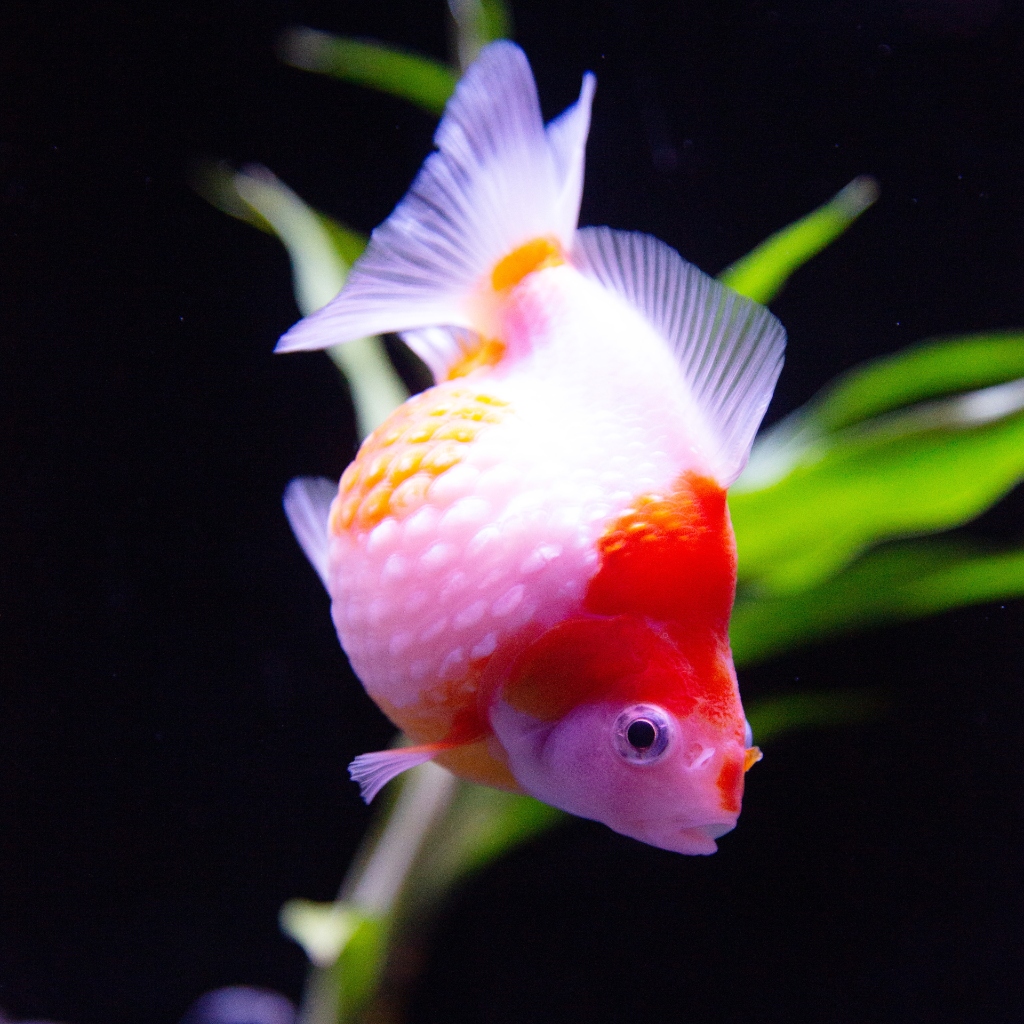
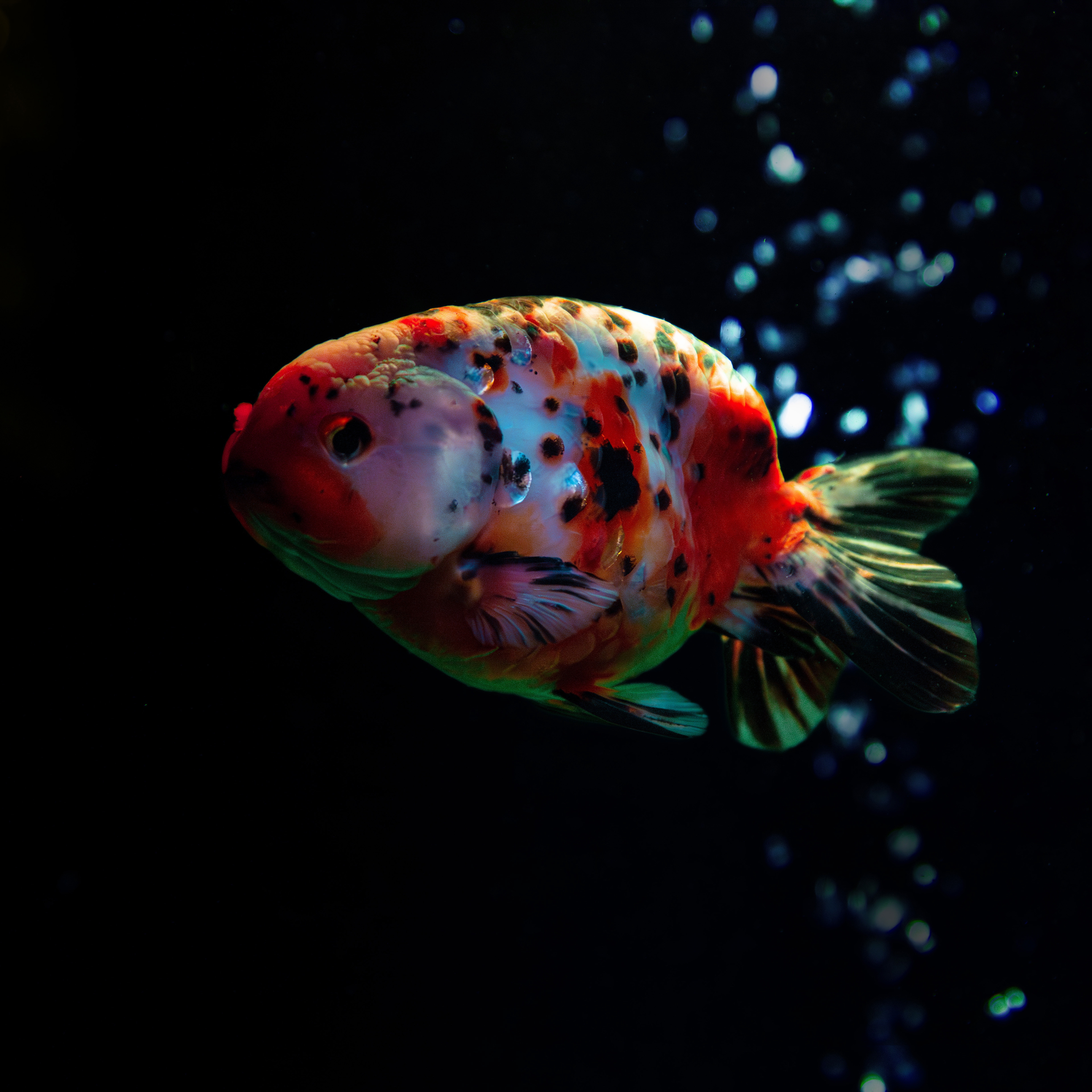
Looking at Ukiyo - e that convey the life of the Edo period to the present, you will notice that goldfish are drawn here and there as protagonists or fragments of daily life.Among them, "Goldfish Balls" hanging from the eaves and transparent glass bowls.It was a small but big revolution in life that showed us the figure of goldfish, which could only be seen from above until then, "from the side" for the first time.
The World on the "Other Side" Spreading Through Glass
Until then, goldfish, which were loved as red shadows sunk to the bottom of the bowl, revealed their whole bodies on the other side of the water by obtaining a tool called glass.What Ukiyo - e artists became obsessed with was this new surprise that "the other side can be seen through".
It is not a depiction of complex light refraction like in modern times.More simply, seeing the belly of a goldfish, seeing the roots of water plants swaying in the water.They cut out such "scenery that seems obvious but no one had been able to see until now" as a frame of daily life.Along with the cool sound of wind chimes, a red figure that looks like it is floating in the air.For the people of that time, it was a new and certain sign of "coolness" to get through the hot summer.
Red Life Lighting Up in the Middle of Living
Goldfish depicted in Ukiyo - e were never special existences, but creatures in the middle of life where babies reach out, cats peek in, and beautiful women look at them by chance.The red seen through the other side of the vessel must have had warmth like a "small fire" lit in life rather than decorated "beauty".
Goldfish drawn freely and humorously, jumping over the rules of the natural world.There dwells the free spirit of Edo people that they can go anywhere with just one imagination even in a restrictive daily life.What can be seen through the window of Ukiyo - e is the delicate aesthetic sense of Japanese people itself that does not change over time.
Morisada Kitagawa "Morisada Manko"(19th century): Illustrated materials showing the spread of "Goldfish Balls" as daily tools in the Edo period and how they were hung.
Katsumi Suzuki "Goldfish and Japanese"(Kodansha Academic Library, 2019): A cultural history about how the Japanese gaze on goldfish changed from "above" to "side" with the appearance of glass bowls.
Nobuaki Okamoto and Yonosuke Kawada "Goldfish (Japanology Collection)"(Kadokawa Sophia Bunko, 2015): History of goldfish as Japanese art.Commentary on the role of color and transparent expression in Ukiyo - e.