Admiring 'Vermilion' and 'Sarasa' (Chintz) with Words ~Edo's Colors and the Spirit of Mitate~
When talking about the beauty of goldfish, we in the modern day tend to dismiss them with words like "red" or "white".However, the people of the Edo period gave more emotional names to each color swimming in the bowl.For them, goldfish were like "moving fabrics" released into the water.
Shojo, Sarasa, and Suaka
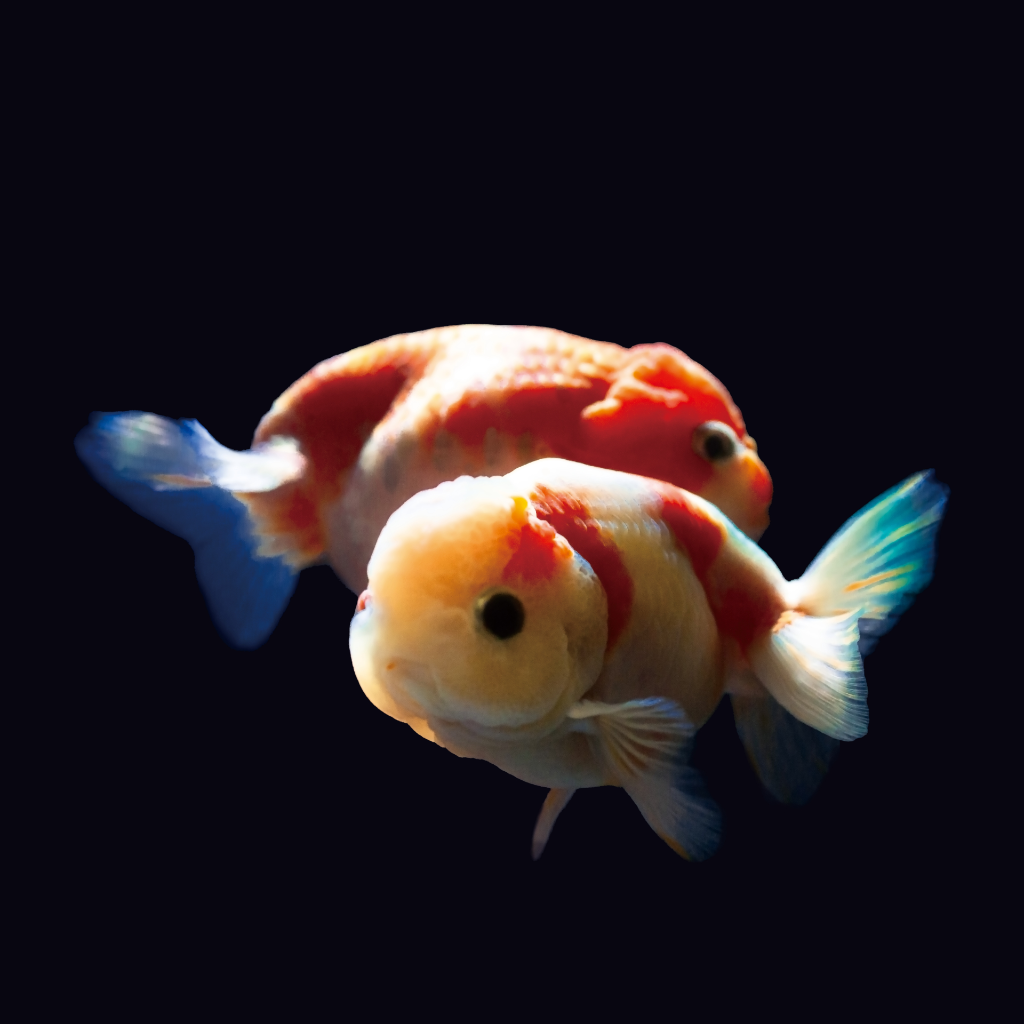
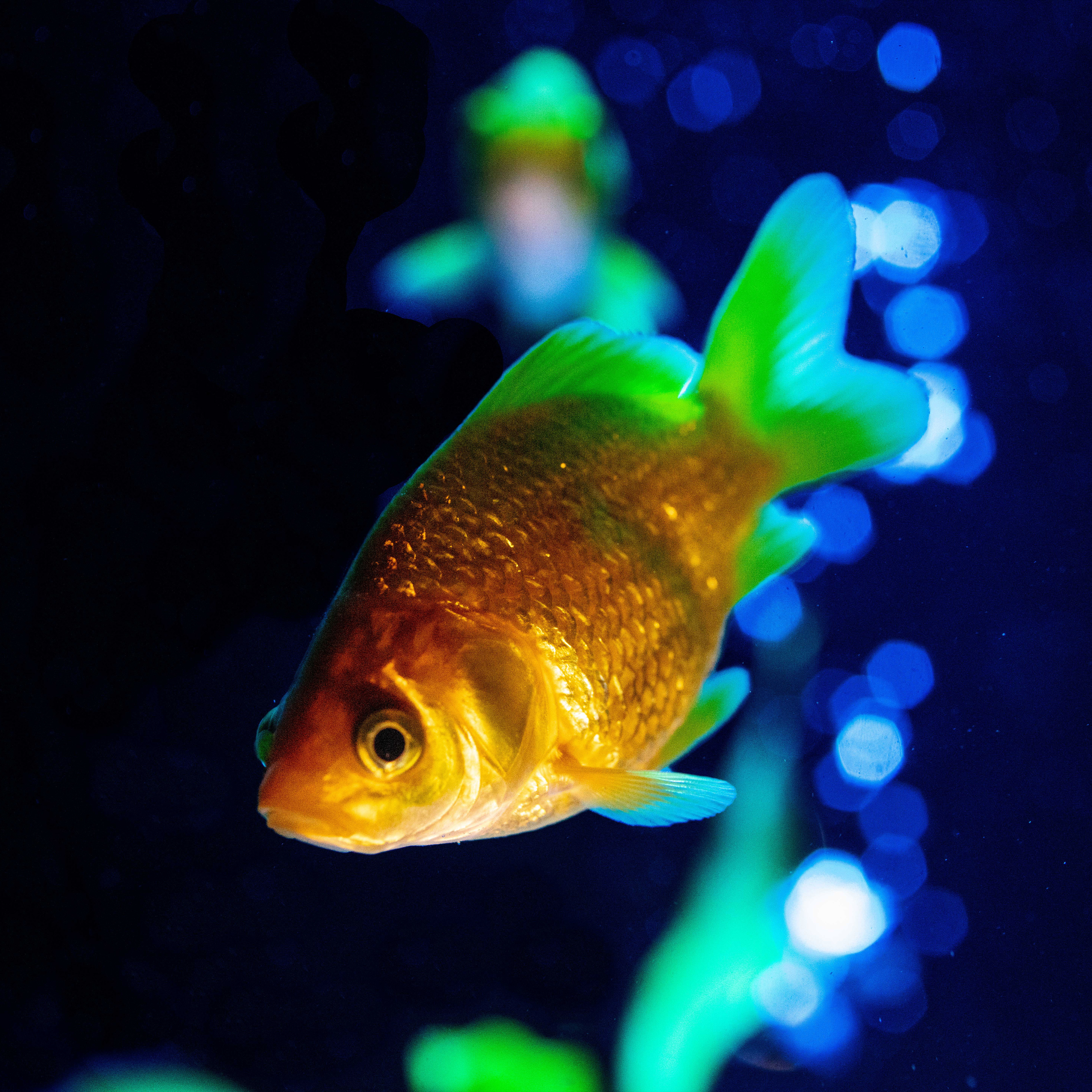
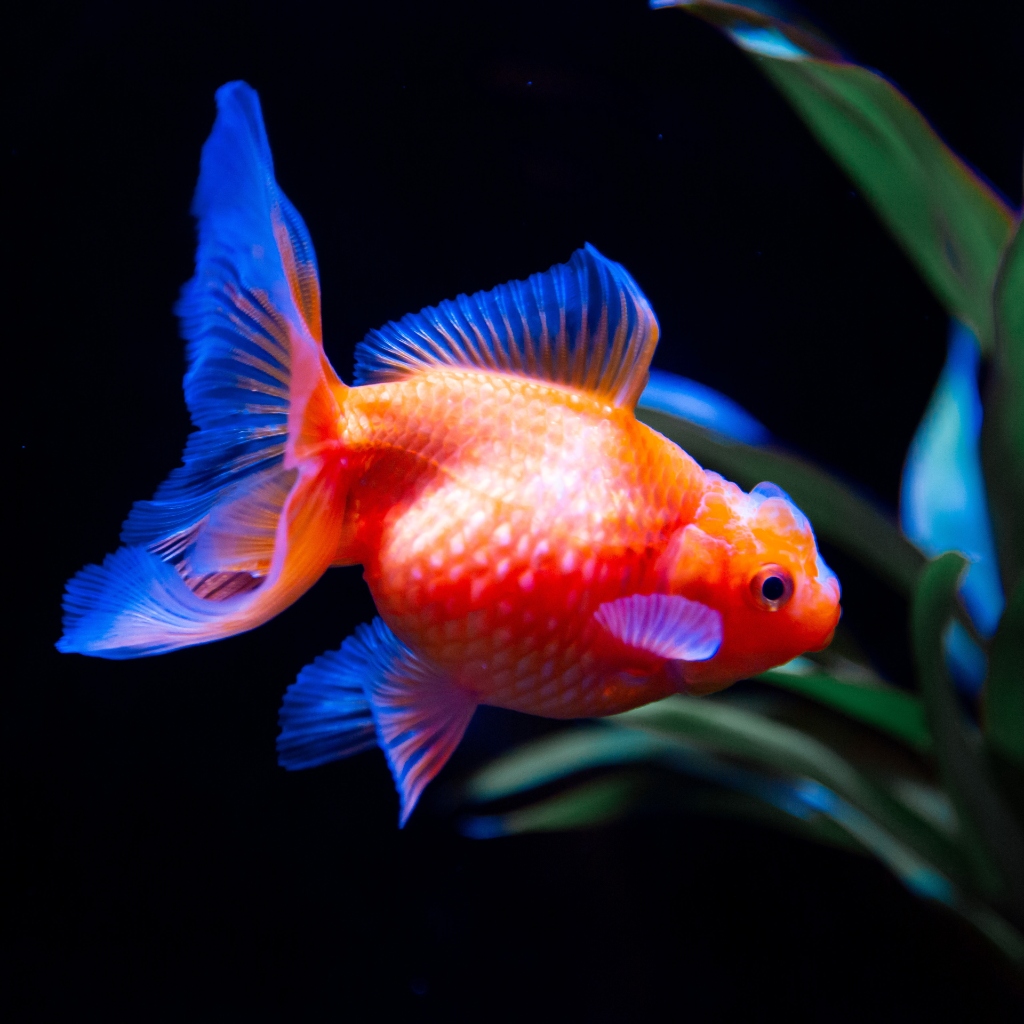
The words used to describe goldfish patterns retain the breath of the life and faith of that time.For example, those that were red from head to tail without a single spot were called "Shojo".This comes from a legendary red - faced auspicious beast and is a name symbolizing overwhelming vitality.On the other hand, those that were simply red all over were called "Suaka"(Plain Red), and their simple strength was loved.
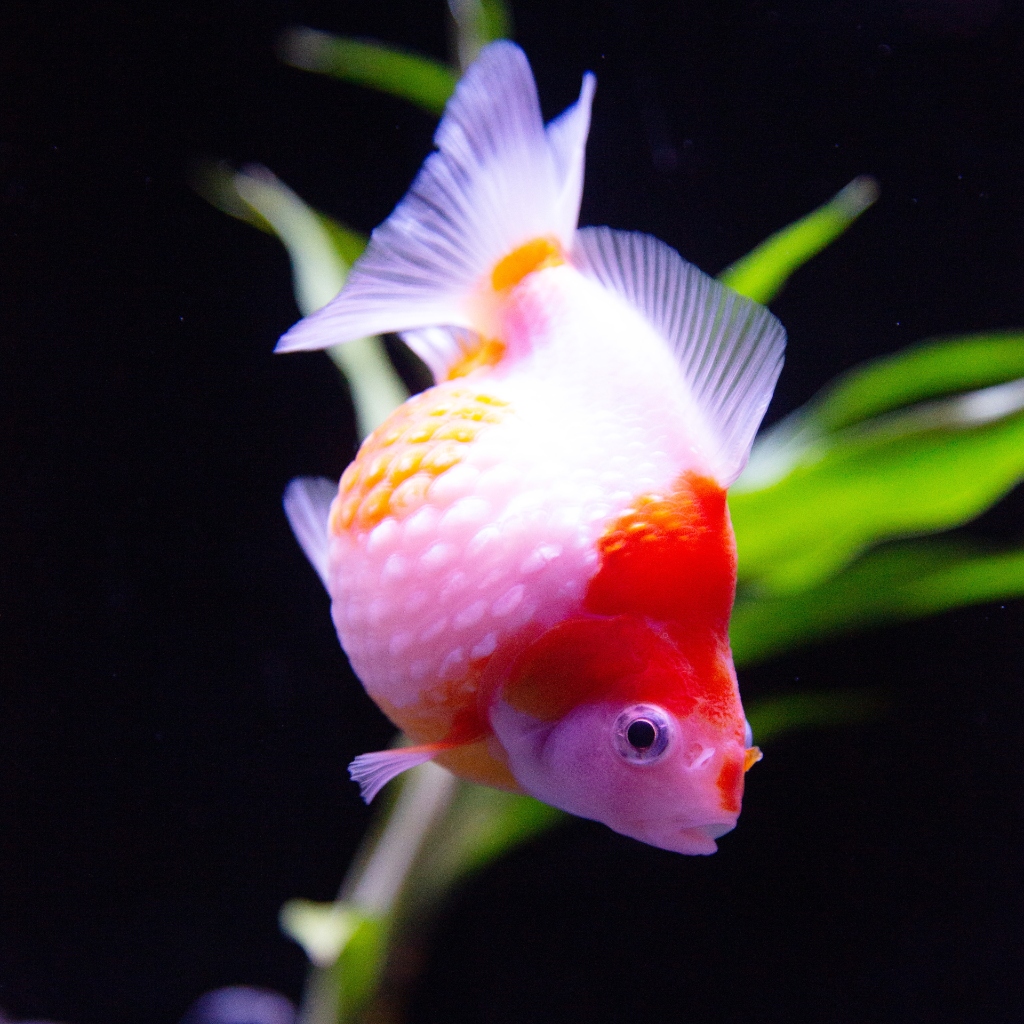
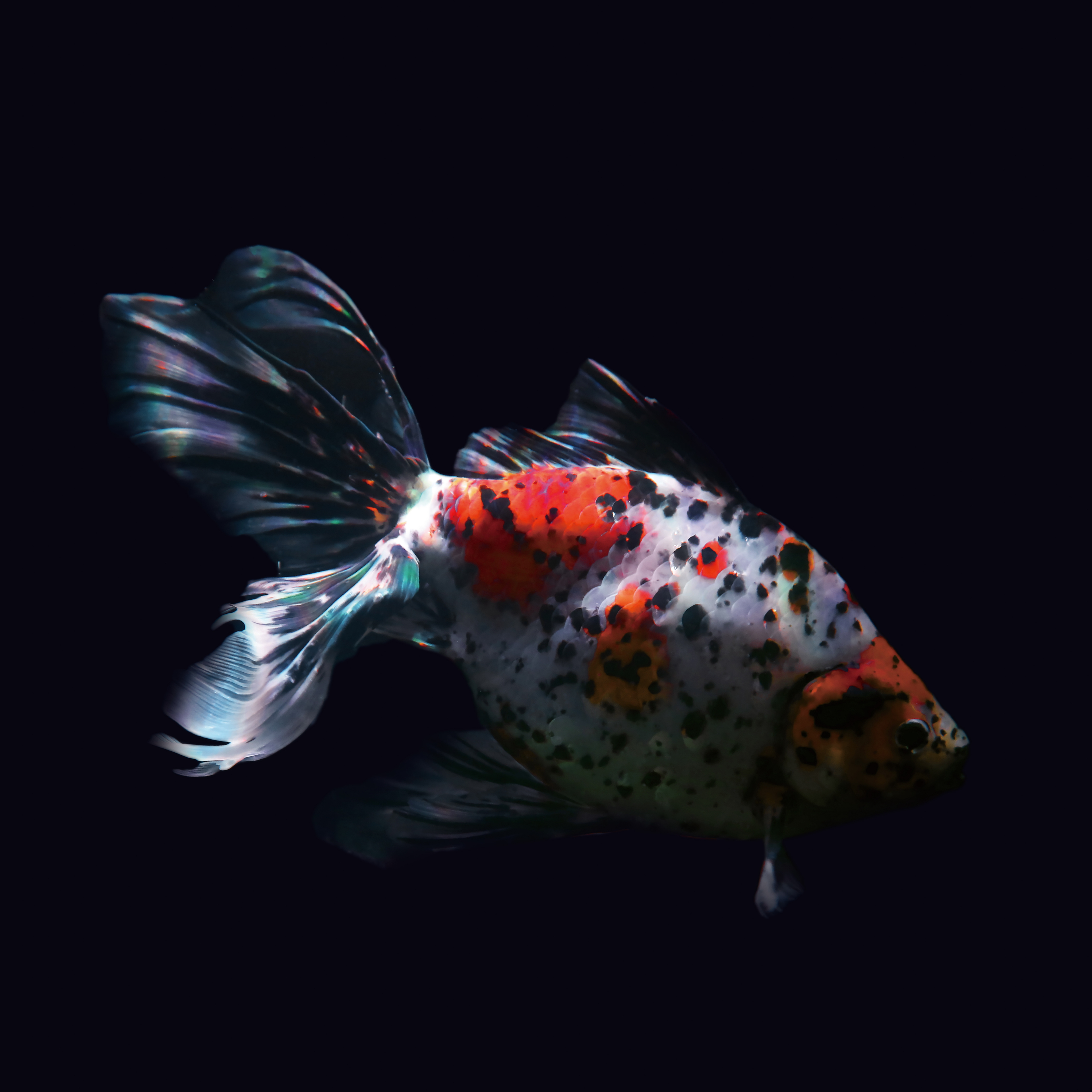
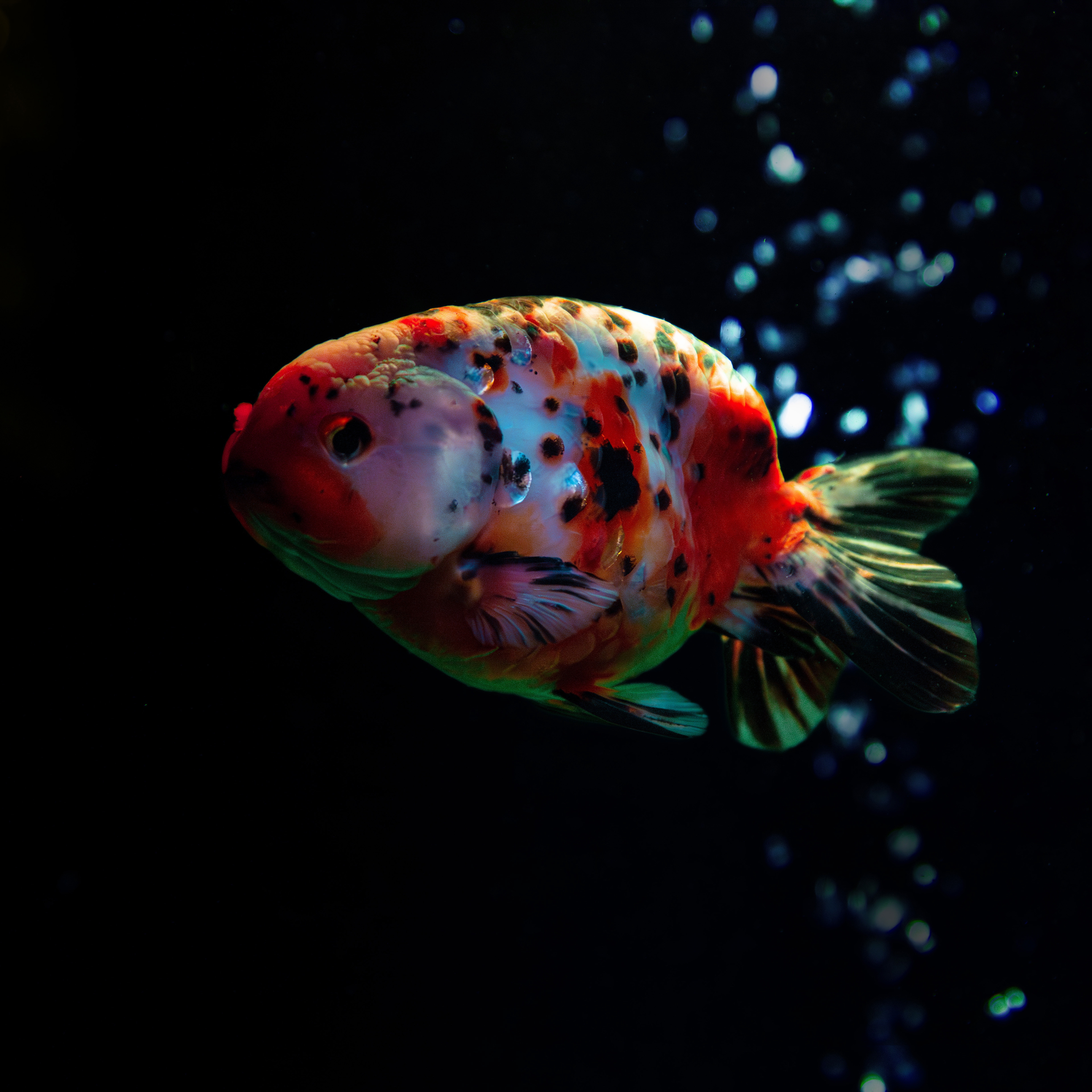
Also, patterns where red and white mix are called "Sarasa"(Chintz).This word likens them to exotic dyed fabrics that came from India and Persia.Likening the complex contrast of red and white spreading in the bowl to the brilliance of exotic fabrics.Such free imagination of the Edo people is embedded in the names of goldfish.
The Luxury of "Mitate"(Resemblance)
The reason Edo people were particular about goldfish patterns was that it was a beauty of "once in a lifetime" where one would never meet the same thing twice. "The way this Sarasa enters is just like the clouds hanging over Mt. Fuji." "The way this red is inserted resembles the costume that actor wore on stage. " In this way, admiring goldfish patterns by likening them to something else beautiful.It was a playfulness unique to Japan, enjoying infinite expansion within a limited space.The culture of defining the value of color through words and admiring it pushed goldfish from being just fish to "moving art".
Yoshihiro Omori "Goldfish Color x Shape Mystery Solving Encyclopedia"(Kagaku - Dojin, 2022): Materials explaining the mechanism of goldfish body color and the origin of historical color names from both scientific and cultural perspectives.
Yoshiyuki Adachi "Kingyo Yogan-so"(1748): A breeding book recording what criteria enthusiasts of the Edo period evaluated goldfish colors closer to and what words they used to express them.
"Traditional Colors of Japan" series(various materials): Relationship between names like "Shojo" and "Suaka" of goldfish and traditional color expressions used in Japanese clothing and crafts.